
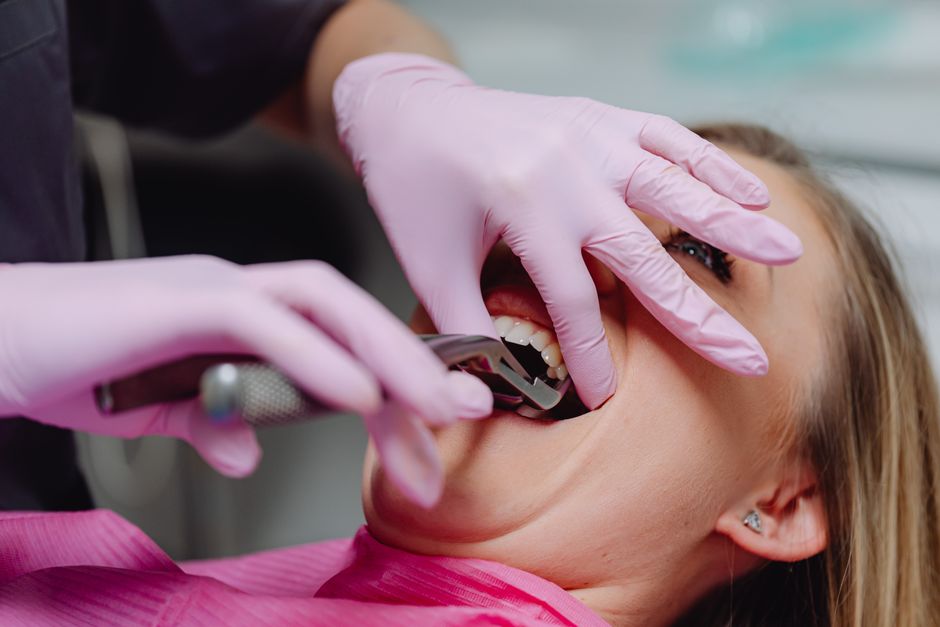
Yes, a dentist can remove tonsil stones. In fact, dentists and dental hygienists are often well-equipped to handle this issue during a routine office visit. They have the tools, lighting, and training to dislodge these small deposits safely. However, whether your specific dentist will perform the removal depends on the size, location, and depth of the stones, as well as your dentist’s comfort level with the procedure.
What Exactly Are Tonsil Stones?
Tonsil stones, medically known as tonsilloliths, are small, calcified deposits that form in the crevices of your tonsils. These crevices, called crypts, are natural folds in the tonsil tissue. Over time, debris like dead cells, mucus, and food particles can get trapped in these crypts.
Bacteria and fungi in your mouth begin to feed on this trapped material. As they break it down, they create a foul-smelling byproduct. This mixture of debris, bacteria, and byproducts hardens into a white or yellowish lump. The most common complaint associated with tonsil stones is persistent bad breath, or halitosis.
Many people have tonsil stones without knowing it. They are often discovered incidentally during a dental X-ray or a routine examination. When they do cause symptoms, those symptoms typically include a feeling of something stuck in the throat, a persistent cough, or ear pain. The stones themselves are usually not dangerous, but they can be uncomfortable and embarrassing.
How Does a Dentist Remove Tonsil Stones?
If your dentist decides to remove the stones, the process is usually straightforward. It is not a surgical procedure in most cases. The dentist will use a bright light and a mirror to locate the stones. In many instances, they can simply use a dental tool, like a curette or a water irrigator, to gently dislodge the stone from the crypt.
For stones that are larger or more firmly lodged, the dentist may use a specialized suction device. This helps to pull the stone out cleanly. In some cases, a local anesthetic gel is applied to the area first. This numbs the tissue and makes the process more comfortable, especially if the tonsil is sensitive or the stone is deep.
The entire process is typically quick, often taking just a few minutes. Most patients tolerate it very well with minimal discomfort. You might experience a mild gag reflex during the procedure, but it usually passes quickly. After removal, any soreness typically resolves within a day or two.
When Does a Dentist Refer You to a Specialist?
Not all tonsil stones are easy to remove in a dental chair. If a stone is deeply embedded within the tonsil tissue, your dentist may not be able to reach it safely. Attempting to dig too deeply could cause bleeding or damage the tonsil tissue.
In these situations, your dentist will likely refer you to an ear, nose, and throat doctor, called an ENT specialist. An ENT has more specialized tools and training for managing issues deep within the throat. They can use angled instruments or lasers to remove problematic stones.
You should also expect a referral if you have recurrent tonsil stones that keep coming back despite removal. Some people have very deep tonsillar crypts that collect debris constantly. In these chronic cases, an ENT might recommend a procedure called a tonsillectomy, which is the surgical removal of the tonsils. This is usually considered a last resort when symptoms are severe or frequent.





Should You Try Removing Them at Home First?
Many people attempt to remove tonsil stones at home before seeing a professional. Common methods include using a cotton swab, a water pick, or even a finger to gently press the tonsil and push the stone out. These methods can work for superficial stones.
However, home removal carries risks. The tonsils are delicate tissues with a rich blood supply. Poking at them with hard objects can cause bleeding or introduce new bacteria, leading to an infection. You also risk pushing the stone deeper into the tissue instead of removing it.
If you choose to try home removal, use extreme caution. Always use a soft, clean tool and never apply force. If you cannot remove the stone easily or if you experience pain or bleeding, stop and contact a professional. A dentist can perform the removal in a sterile environment, which is always safer than trying to do it yourself with unsterile tools.
Can a Dentist Prevent Tonsil Stones From Coming Back?
A dentist can remove the stones you have right now, but removal does not stop new ones from forming. The underlying cause—the shape and depth of your tonsillar crypts—remains unchanged. Therefore, prevention is about managing the debris that feeds the stones.
Good oral hygiene is the primary preventive measure. Brushing your teeth and tongue twice daily removes bacteria and food particles. Flossing daily is equally important because it removes debris from between your teeth that can travel to the back of the throat.
You can also use a water flosser on a low setting to gently rinse out your tonsillar crypts. This can help flush out debris before it has a chance to harden. Some people find that gargling with salt water or an alcohol-free mouthwash after meals helps reduce the bacterial load in the mouth.
If you have chronic post-nasal drip, treating that condition can also help. Mucus from the nose can contribute to the debris that forms tonsil stones. Managing allergies or sinus issues with the help of a doctor may reduce your stone formation frequency.
What Are the Risks of Professional Removal?
Dental removal of tonsil stones is considered a low-risk procedure. However, like any medical intervention, it is not entirely without risk. The most common side effect is temporary soreness or a mild gag reflex during the procedure.
Bleeding is possible but uncommon. It is more likely to occur if the stone is deeply embedded and the surrounding tissue is disturbed. In rare cases, an infection could develop at the removal site. This is why it is crucial to have the procedure done in a sterile, clinical setting rather than at home.
You should always inform your dentist about any medications you take, especially blood thinners. These medications increase the risk of bleeding. Your dentist needs this information to decide whether it is safe to proceed with the removal or if you need to consult your prescribing doctor first.
When Should You See a Doctor Instead of a Dentist?
While a dentist can handle routine tonsil stones, certain symptoms warrant a visit to a medical doctor. If you experience difficulty swallowing, difficulty breathing, or severe pain, you should seek medical attention immediately. These symptoms are not typical of tonsil stones and may indicate a more serious condition.
You should also see a doctor if one tonsil is significantly larger than the other, or if you notice a lump in your neck that does not go away. These signs require a thorough medical evaluation to rule out other issues. A dentist can remove the stones, but they do not diagnose or treat medical conditions of the throat.
Finally, if you have recurrent tonsillitis—an infection of the tonsils—along with tonsil stones, you need a medical opinion. A doctor can determine if you have a chronic infection that might benefit from antibiotics or, in severe cases, surgical removal of the tonsils.
Frequently Asked Questions
Does it hurt to have a dentist remove tonsil stones?
Most patients feel minimal discomfort during the procedure. Your dentist may use a numbing gel to reduce any sensation, and any soreness afterward usually resolves within a day or two.
Can a dentist remove deep tonsil stones?
Dentists can remove superficial stones easily, but deeply embedded stones may be out of their reach. In that case, your dentist will refer you to an ear, nose, and throat specialist for removal.
Will my insurance cover the removal of tonsil stones at the dentist?
Coverage varies by plan, but if the removal is considered a dental procedure, it may be covered. Contact your insurance provider to confirm whether this specific treatment is included in your benefits.
Should I see a dentist or a doctor for tonsil stones?
For simple, visible tonsil stones, a dentist is a good first choice. If you have severe pain, trouble swallowing, or a swollen tonsil, see a medical doctor instead.
