
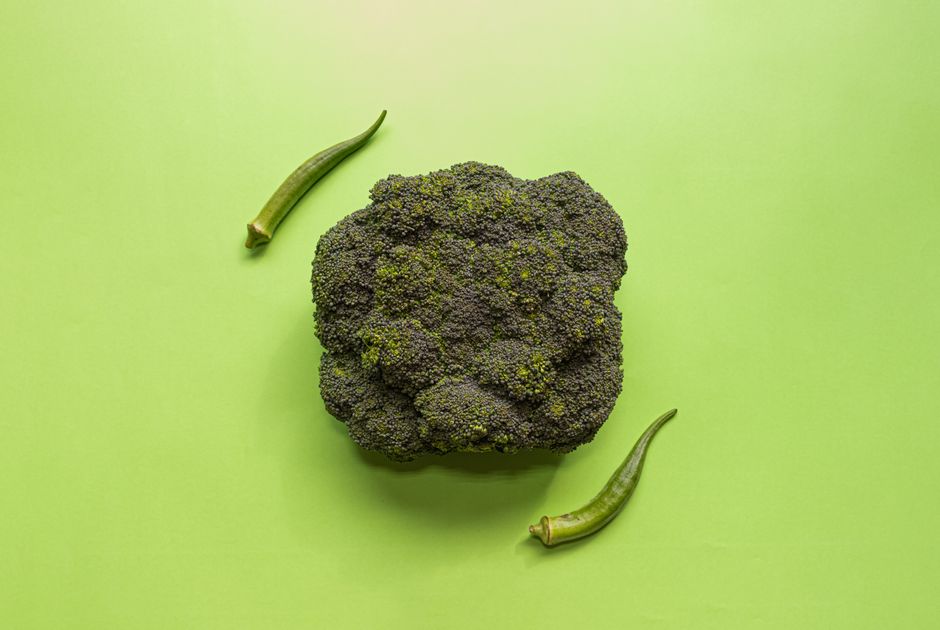
Broccoli is one of the lowest-calorie foods you can eat. A one-cup serving of chopped raw broccoli has about 31 calories. If you eat a full stalk, which is roughly two cups, you are looking at around 62 calories. This makes broccoli a very efficient way to fill your stomach without filling your calorie budget.
How Many Calories Are in Different Forms of Broccoli?
The calorie count changes depending on how you prepare it. Raw broccoli is the lowest in calories because it contains mostly water and fiber. One cup of raw florets weighs about 91 grams and delivers roughly 31 calories.
Steamed broccoli is very similar. One cup of cooked broccoli without any added fat has about 55 calories. The slight increase comes from water absorption during cooking, which adds weight but not many calories per gram. Roasted broccoli is different. If you toss it in oil, the calories jump quickly. One tablespoon of olive oil adds 119 calories on top of the broccoli itself.
Frozen broccoli is nutritionally similar to fresh. One cup of frozen, cooked broccoli has about 52 calories. The difference is minimal and usually not worth worrying about.
| Broccoli Form | Serving Size | Calories |
|---|---|---|
| Raw | 1 cup (91g) | 31 |
| Steamed | 1 cup (156g) | 55 |
| Roasted (no oil) | 1 cup (156g) | 55 |
| Roasted (with 1 tbsp oil) | 1 cup + oil | 174 |
| Frozen, cooked | 1 cup (184g) | 52 |
| Broccoli soup (cream-based) | 1 cup | 150-200 |
The takeaway is simple. Plain broccoli is very low in calories. The moment you add oil, butter, cheese, or cream sauce, the calories can triple or quadruple. This is not a reason to avoid those preparations. Just know what you are actually eating.
What Nutrients Do You Get Alongside Those Low Calories?
Broccoli is not just empty volume. It delivers real nutrition for very few calories. According to the USDA, one cup of raw broccoli provides more than 100% of your daily vitamin C requirement. It also gives you about 75% of your daily vitamin K needs.
Fiber is another major benefit. One cup of cooked broccoli has about 5 grams of fiber. That is roughly 20% of the daily recommendation for most adults. Fiber slows digestion, helps with blood sugar control, and keeps you feeling full longer. This is why broccoli is a common food in weight management plans.
Research published in the journal Nutrition Reviews has found that cruciferous vegetables like broccoli contain compounds called glucosinolates. When you chop or chew broccoli, these compounds break down into substances that may have anti-cancer properties. The evidence is strongest for lab studies and population-level observations. It is not a guarantee, but it is a consistent finding across decades of research.
Broccoli also provides potassium, calcium, and iron in modest amounts. None of these are as concentrated as in other foods, but they add up when you eat broccoli regularly.
Does How Many Calories Is Broccoli Really Matter for Weight Loss?
Yes, but not in the way most people think. The calorie count of broccoli itself is not the main story. What matters more is how it replaces other foods in your diet.
A study from the CDC found that adults who eat more vegetables tend to have lower body weights. But this is not because vegetables have magical fat-burning properties. It is because vegetables take up space in your stomach. When you eat a cup of broccoli before a meal, you are less likely to eat a second helping of pasta or rice.
This is called volume eating. You eat the same weight of food but with far fewer calories. Broccoli is particularly good for this because of its high water and fiber content. One pound of broccoli has about 150 calories. One pound of cooked pasta has about 1,500 calories. You can eat ten times more broccoli for the same calorie cost.
That said, eating broccoli alone will not cause weight loss. Weight loss happens when you consistently eat fewer calories than you burn. Broccoli is a tool that makes that easier, not a solution by itself.





What Are Common Mistakes People Make With Broccoli Calories?
The biggest mistake is forgetting to count the cooking fat. Many people assume that because broccoli is low in calories, the entire dish is low in calories. That is not true if you sauté it in butter or oil.
Here are the most common calorie traps with broccoli:
- Adding cheese sauce. One quarter-cup of cheddar cheese sauce adds about 110 calories.
- Drizzling olive oil after cooking. One tablespoon adds 119 calories.
- Using cream-based soups in casseroles. One cup of cream of mushroom soup adds about 200 calories.
- Pairing it with high-calorie dips like ranch dressing. Two tablespoons of ranch add about 140 calories.
Another mistake is assuming frozen broccoli is less nutritious. It is not. The freezing process happens shortly after harvest, which can actually preserve nutrients better than fresh broccoli that sits in a refrigerator for a week. A study in the Journal of Food Composition and Analysis found that frozen broccoli retained more vitamin C than fresh broccoli stored for several days.
Some people also avoid broccoli because they think it causes bloating. This is true for some people, but not everyone. The fiber and sulfur compounds in broccoli can cause gas in people with sensitive digestive systems. Steaming broccoli thoroughly can reduce this effect.
How Does Broccoli Compare to Other Low-Calorie Vegetables?
Broccoli is not the absolute lowest in calories, but it is very close. Here is how it stacks up against other common vegetables per one-cup serving.
Spinach has about 7 calories per cup. That is much lower. But spinach shrinks dramatically when cooked, so you are eating less volume. Broccoli holds its structure better, so you feel fuller.
Cauliflower has about 25 calories per cup. It is very similar to broccoli in both calories and nutrition. The main difference is that cauliflower has a milder flavor and less vitamin K.
Green beans have about 44 calories per cup. They are slightly higher than broccoli but still very low. The difference is small enough that you should not worry about it.
Zucchini has about 20 calories per cup. It is lower than broccoli but also lower in fiber and protein. Broccoli gives you more staying power for only 11 extra calories.
The point is not to find the single lowest-calorie vegetable. The point is to eat more vegetables overall. Broccoli is a strong choice because it is nutrient-dense, filling, and versatile.
Can You Eat Too Much Broccoli?
Yes, but it is very difficult. You would need to eat several pounds in a single sitting to cause problems. The most common issue is digestive discomfort. The fiber and sulfur compounds can cause gas, bloating, and cramping in some people.
There is a rare condition called hypothyroidism that can be worsened by eating large amounts of raw cruciferous vegetables. The compounds called goitrogens can interfere with thyroid function. However, this only becomes a concern if you eat multiple pounds of raw broccoli every day for a long time and already have an iodine deficiency. For most people, this is not a realistic risk.
Cooking broccoli reduces the goitrogen content significantly. Steaming or roasting for a few minutes is enough to neutralize most of the concern.
Some people report that broccoli makes them feel tired or sluggish. This is not supported by strong evidence. More likely, the feeling is from eating a large volume of fiber-rich food that slows digestion. This is not harmful and usually passes as your digestive system adjusts.
Frequently Asked Questions
How many calories are in a whole head of broccoli?
A whole head of broccoli weighs about 600 grams and contains roughly 200 calories. This varies depending on the size of the head.
Does cooking broccoli change the calorie count?
No, cooking does not change the calorie count of the broccoli itself. Adding oil, butter, or sauce during cooking adds calories.
Is broccoli a negative calorie food?
No, this is a myth. No food has negative calories. Broccoli is very low in calories, but your body still absorbs the energy it provides.
How many calories are in broccoli florets vs stalks?
Both parts have similar calorie counts by weight. The stalks have slightly more fiber and the florets have slightly more vitamin C.
