
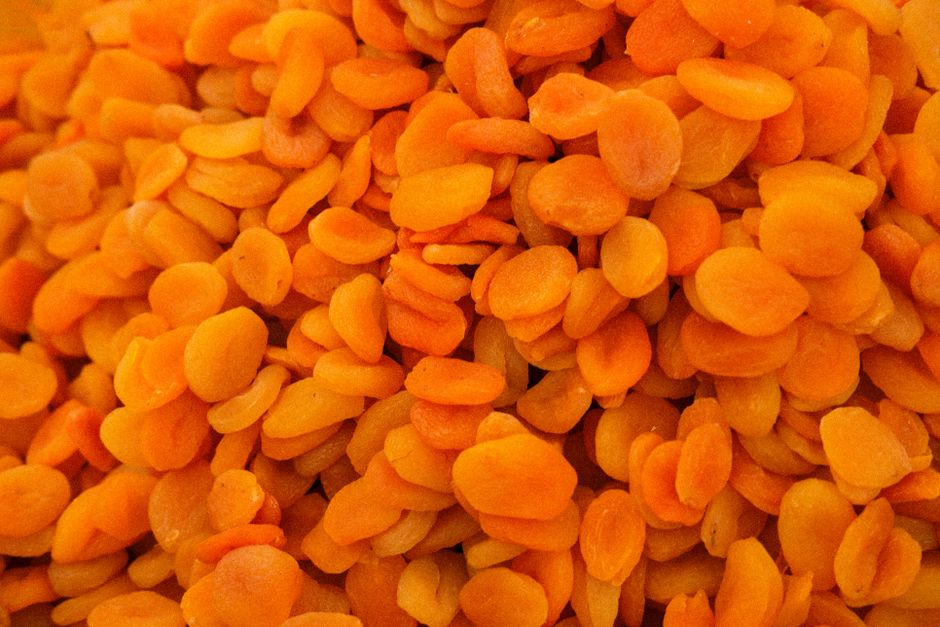
Apricot seeds contain a compound that turns into cyanide in your body, and eating just a small handful can cause serious poisoning. The short answer is no, apricot seeds are not safe to eat in any meaningful amount. Health authorities worldwide, including the European Food Safety Authority, warn against consuming them due to the risk of cyanide toxicity. While some people promote apricot seeds as a natural cancer treatment, there is no reliable evidence to support this claim, and the potential harm is well-documented.
What Exactly Is in Apricot Seeds That Makes Them Dangerous?
Apricot seeds contain a substance called amygdalin. When you chew or crush the seed, your body converts amygdalin into hydrogen cyanide. Cyanide is a fast-acting poison that stops your cells from using oxygen.
The amount of amygdalin varies between seeds. One small apricot seed can contain between 0.5 and 3.5 milligrams of cyanide. For a 150-pound adult, the toxic dose of cyanide is roughly 50 to 60 milligrams. That means eating just 15 to 20 seeds could reach a dangerous level for some people.
Children are at much higher risk. A child who eats only 5 to 10 seeds could experience cyanide poisoning. The smaller the person, the fewer seeds it takes to cause harm.
Does the Body Process Apricot Seeds Differently Than Other Foods?
This is where a lot of confusion comes from. Some people argue that natural cyanide in plants is different from synthetic cyanide. That is not true. The cyanide molecule is identical whether it comes from a laboratory or an apricot seed. Your body cannot tell the difference.
Another common claim is that vitamin C or other nutrients in the seed protect against cyanide. There is no scientific evidence for this. A study published in the Journal of Toxicology found that vitamin C did not reduce cyanide toxicity from apricot seeds in animals. If anything, some research suggests vitamin C might increase the release of cyanide from amygdalin.
Your body does have a natural detox pathway for small amounts of cyanide. The liver uses an enzyme to convert cyanide into a less harmful substance called thiocyanate. This system works only for very small amounts. Once you exceed what your liver can handle, cyanide builds up and poisoning occurs.
What Does Research on Apricot Seed Safety Show?
Multiple health agencies have reviewed the evidence. The European Food Safety Authority published a detailed risk assessment in 2016. They concluded that consuming even one or two apricot seeds could put young children at risk of cyanide poisoning. For adults, they set a safety limit of about half a seed per day.
The FDA has issued warnings about apricot seeds and laetrile, a concentrated form of amygdalin. They have not approved either for any medical use. The American Cancer Society also states that laetrile has shown no benefit in cancer treatment and carries serious risks.
Case reports in medical literature document real poisonings. One report in the New England Journal of Medicine described a woman who ate a handful of apricot seeds and developed severe cyanide poisoning. She survived only because she received immediate medical treatment.




Are Apricot Seeds Safe to Eat for Cancer Treatment?
This is the most common reason people seek out apricot seeds. The idea comes from a 1950s theory that cancer cells use more sugar than normal cells, and that cyanide from amygdalin could selectively kill them. This theory has never been proven in any human study.
Several clinical trials have tested laetrile, the purified form of amygdalin. A 1982 study published in the New England Journal of Medicine looked at 178 cancer patients who received laetrile. The researchers found no evidence that it helped treat cancer. Some patients actually experienced cyanide poisoning from the treatment.
The National Cancer Institute has reviewed the evidence multiple times. Each time, they concluded that laetrile is not effective against cancer and poses significant risks. No major cancer organization recommends apricot seeds or laetrile for treatment.
Some people report feeling better when eating apricot seeds. This is likely the placebo effect or unrelated factors. There is no controlled study showing that apricot seeds shrink tumors or extend survival in cancer patients.
What Are the Symptoms of Cyanide Poisoning From Apricot Seeds?
Mild poisoning can start within minutes to hours after eating the seeds. Early symptoms include headache, dizziness, confusion, and nausea. You might feel weak or have trouble breathing.
Moderate poisoning adds more serious signs. Your heart rate may increase or become irregular. You could feel anxious or agitated. Some people develop bright red skin because their cells cannot use oxygen properly.
Severe poisoning is a medical emergency. Symptoms include seizure, loss of consciousness, and respiratory failure. Without treatment, severe cyanide poisoning can be fatal within 30 to 60 minutes.
The speed and severity depend on how many seeds you ate and whether you chewed them thoroughly. Whole seeds that pass through your digestive system without being crushed release less cyanide. Chewed or ground seeds release the most cyanide quickly.
How Many Apricot Seeds Are Too Many?
There is no safe number for everyone because seed size and cyanide content vary. But health authorities have given general guidance based on body weight.
| Person | Maximum safe seeds per day | Toxic dose range |
|---|---|---|
| Child (30 lbs / 14 kg) | 0 to 1 | 3 to 5 seeds |
| Adult (150 lbs / 68 kg) | 0 to 2 | 15 to 20 seeds |
| Large adult (200+ lbs / 90+ kg) | 0 to 3 | 20 to 25 seeds |
These numbers assume average cyanide content. Some seeds contain much higher levels. One study tested apricot seeds from different regions and found cyanide content varied by a factor of ten. There is no way to know which seeds are more potent just by looking at them.
The safest approach is to avoid eating apricot seeds entirely. The potential benefit is unproven, and the risk is real. No amount of cyanide is beneficial to your body.
What About Bitter Almonds and Other Stone Fruit Seeds?
Bitter almonds contain the same compound, amygdalin, and carry the same risks. Sweet almonds sold in stores are a different variety with very low amygdalin levels and are safe to eat.
Peach, plum, and cherry pits also contain amygdalin. The same warnings apply. Eating these pits in any quantity can cause cyanide poisoning. Apple seeds contain small amounts of amygdalin, but you would need to chew and swallow hundreds of apple seeds to reach a toxic dose.
Some people use apricot seed extracts or laetrile supplements sold online. These products are not regulated by the FDA. Their potency is unpredictable. Some batches may contain dangerously high levels of cyanide. Others may contain none at all. You have no way of knowing what you are getting.
Common Misconceptions About Apricot Seeds
Misconception: Apricot seeds are a natural vitamin supplement. Some sources claim apricot seeds are rich in vitamin B17. There is no such vitamin. The term B17 was invented by promoters of laetrile to make it sound like a legitimate nutrient. The body does not need amygdalin for any known biological process.
Misconception: Cooking or roasting removes the cyanide. Heat does reduce amygdalin content, but it does not eliminate it. One study found that roasting apricot seeds at 350°F for 15 minutes reduced cyanide content by about 50 percent. That still leaves enough to be dangerous if you eat more than a few seeds. Boiling is more effective but still does not make them safe in quantity.
Misconception: Your body adapts to small amounts over time. There is no evidence that regular consumption of apricot seeds builds tolerance to cyanide. Your liver’s detox capacity is limited and does not increase with exposure. In fact, repeated small doses could potentially cause cumulative damage to the liver over time.
Frequently Asked Questions
Can eating one apricot seed kill you?
One seed is unlikely to kill a healthy adult but could be dangerous for a small child. The risk depends on body weight and the specific cyanide content of that seed.
Are dried apricots safe if they contain seeds?
Dried apricots sold in stores usually have the pit removed. If you find a dried apricot with the seed inside, remove and discard the seed before eating the fruit.
Do apricot seeds cure cancer?
No. Multiple clinical trials and health organizations have found no evidence that apricot seeds or laetrile treat cancer. The claims are based on outdated theory and anecdotal reports.
What should I do if someone eats too many apricot seeds?
Call poison control immediately or go to the nearest emergency room. Do not wait for symptoms to appear. Early treatment with an antidote can prevent serious harm.
