
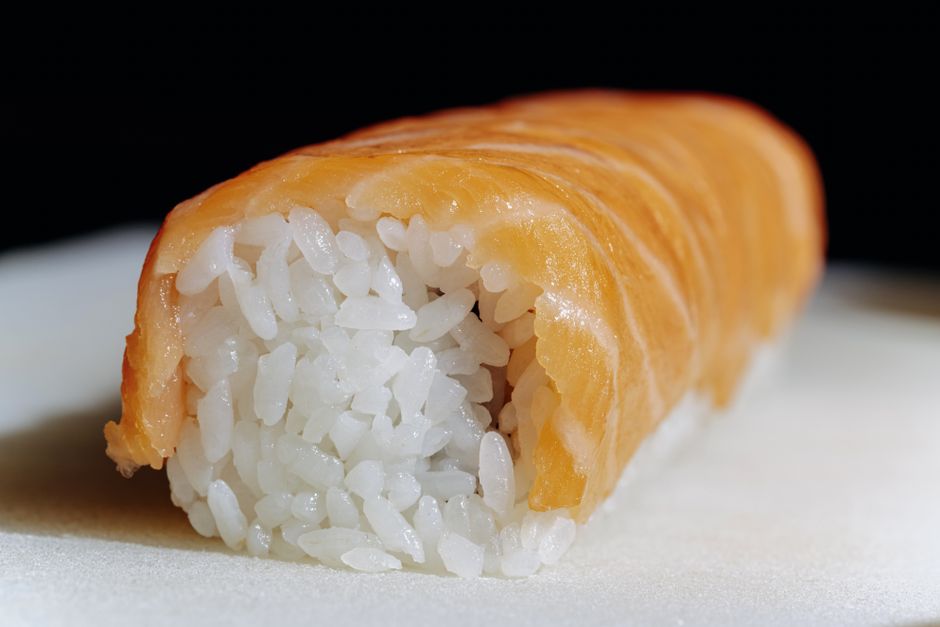
Sushi is not automatically wheat-free. Plain sushi rice is made from rice and rice vinegar, which do not contain wheat. But many of the most common sushi ingredients do contain wheat, and cross-contamination in sushi restaurants is a real concern. If you have celiac disease or a wheat allergy, you cannot assume any sushi is safe without asking specific questions.
Which Sushi Ingredients Contain Wheat?
The biggest wheat source in sushi is soy sauce. Standard soy sauce is brewed from wheat and soybeans. Even a small dip in a soy sauce dish can introduce gluten to an otherwise safe piece of sushi.
Other common wheat sources include:
- Imitation crab — often used in California rolls, contains wheat starch and other fillers.
- Tempura — battered and fried, always contains wheat flour.
- Panko breadcrumbs — used in some rolls for crunch.
- Teriyaki sauce — usually contains soy sauce and therefore wheat.
- Spicy mayo — sometimes made with soy sauce or malt vinegar.
- Mirin — a sweet rice wine, but some brands add wheat.
- Seasoned rice vinegar — commercial versions may contain wheat-based ingredients.
Even a roll that looks simple, like a salmon roll, may have been brushed with soy sauce or prepared on a surface where tempura crumbs were present.
Is Sushi Rice Wheat Free?
Plain sushi rice is made from short-grain white rice, rice vinegar, sugar, and salt. None of these ingredients contain wheat. The rice itself is naturally gluten-free.
The problem is the seasoning. Traditional sushi rice uses rice vinegar, which is gluten-free. But some commercial sushi vinegars are made with distilled vinegar from wheat or contain added wheat-based flavorings. Distilled vinegar is generally considered gluten-free because the distillation process removes the gluten protein, but this depends on the specific product and local labeling standards.
Some sushi restaurants also add a small amount of soy sauce or other seasonings to their rice. You cannot tell by looking at it. The only way to know is to ask the chef or the manager directly.
What About Nori and Other Wrappers?
Nori is dried seaweed. It is naturally wheat-free. It is made from red algae that is pressed into sheets and toasted. No wheat is added during standard processing.
Some specialty rolls use soy paper or other colored wrappers instead of nori. These may contain wheat or other gluten sources. Soy paper is not always made from soybeans alone.
Sushi rolls wrapped in rice paper, like Vietnamese summer rolls, are typically wheat-free because rice paper is made from rice flour and water. But this depends on the brand. Always check the label if you are buying packaged products.




Can You Eat Sushi Safely with Celiac Disease?
Yes, it is possible, but it requires careful communication. Many sushi restaurants now offer gluten-free soy sauce (tamari) and are familiar with gluten-free requests.
Here is what you should ask before ordering:
- Do you have gluten-free soy sauce?
- Is the imitation crab made with wheat?
- Is the tempura fried in a dedicated fryer?
- Is the rice seasoned with anything besides rice vinegar, sugar, and salt?
- Are rolls prepared on a separate surface?
Even with these questions, cross-contamination remains a risk. Sushi chefs often work quickly and may use the same knife, cutting board, or gloves for multiple orders. If you have a severe wheat allergy or celiac disease, you need to decide if that risk is acceptable for you.
Some people with celiac disease choose to eat only sashimi — plain slices of raw fish with no rice, no sauce, and no wrapper. This reduces but does not eliminate the risk of cross-contamination.
Is Imitation Crab in California Rolls Wheat Free?
Imitation crab is not wheat-free. It is made from surimi, which is white fish that has been minced, washed, and combined with starch, egg whites, sugar, and flavorings. The starch used is often wheat starch, though some brands use potato starch or tapioca starch instead.
You cannot determine the starch source by tasting it. The only way to know is to check the ingredient label on the specific product. In a restaurant, the staff may not know the exact brand or ingredient list of their imitation crab.
If you are avoiding wheat, do not eat California rolls unless you have confirmed the imitation crab is gluten-free. Even then, the roll may be brushed with soy sauce or contain other wheat-based ingredients.
Is Sushi from Grocery Stores Wheat Free?
Packaged sushi from grocery stores is not automatically wheat-free. The same wheat sources apply — soy sauce, imitation crab, tempura, and seasoned rice.
Pre-packaged sushi often comes with a small packet of soy sauce. That soy sauce contains wheat. Some packages also include pickled ginger, wasabi, or other condiments that may contain wheat-based ingredients.
Check the ingredient label on every component. If the label does not clearly state the ingredients, do not assume it is safe.
Some grocery stores now label their sushi as gluten-free. This is helpful, but it does not guarantee that every roll in the case is safe. The label applies only to the specific product it is on.
What Are the Best Wheat-Free Sushi Options?
If you are avoiding wheat, your safest choices are simple preparations with minimal ingredients. Here are options that are most likely to be wheat-free:
- Sashimi — plain raw fish, no rice, no sauce.
- Nigiri with plain fish — fish on rice, no sauce, no marinade.
- Maki with simple fillings — cucumber, avocado, tuna, salmon.
- Hand rolls with simple fillings — ask for no sauce.
You should still ask about the rice seasoning and request gluten-free soy sauce. Even simple rolls can be contaminated if the chef uses the same utensils for wheat-containing orders.
Some restaurants offer gluten-free menus or have a designated gluten-free preparation area. This is the safest option, but it is not available everywhere.
Is Wasabi Wheat Free?
Real wasabi is made from the wasabi plant’s root. It is naturally wheat-free. But most wasabi served in sushi restaurants is not real wasabi. It is a mixture of horseradish, mustard, and green food coloring.
The horseradish and mustard base is generally wheat-free, but some commercial wasabi products contain wheat starch or other fillers. Check the label if you are buying packaged wasabi. In a restaurant, ask if you are concerned.
Pickled ginger is also usually wheat-free, but some brands use wheat-based vinegar or added flavorings. Again, the label is the only reliable source of information.
Frequently Asked Questions
Is sushi rice always wheat free?
Plain sushi rice made with rice vinegar, sugar, and salt is wheat-free. Some restaurants add soy sauce or use commercial vinegar blends that may contain wheat, so you need to ask.
Can I eat sushi if I have celiac disease?
Yes, but only with careful precautions. You need gluten-free soy sauce, no imitation crab, no tempura, and confirmation that the rice and preparation surfaces are free of wheat.
Is soy sauce in sushi restaurants wheat free?
No. Standard soy sauce is made from wheat and soybeans. You must ask for tamari or a specifically labeled gluten-free soy sauce.
Are California rolls wheat free?
Usually not. Most California rolls contain imitation crab, which often includes wheat starch. You would need to confirm the specific brand used by the restaurant.
