
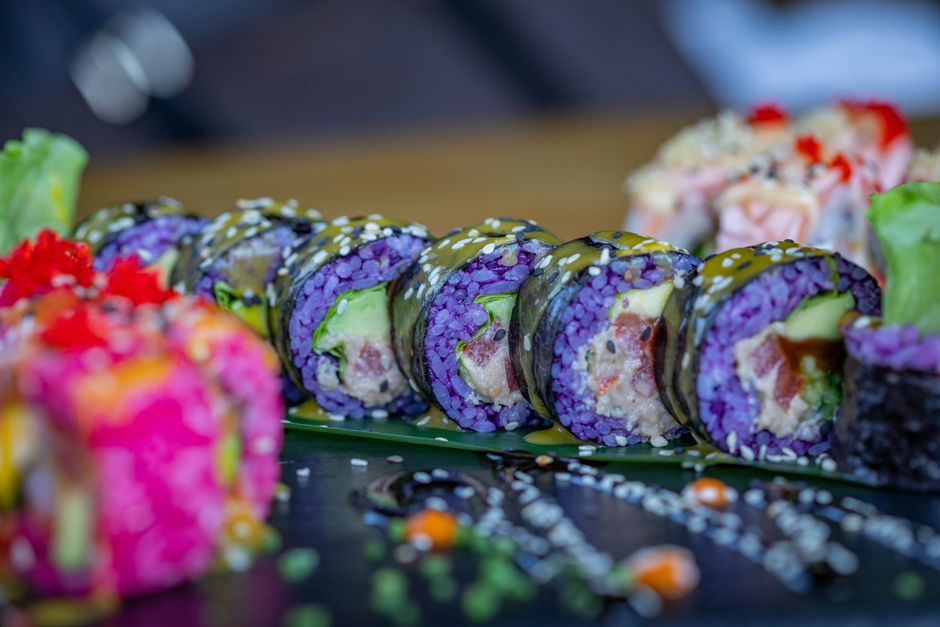
Sushi rice is short-grain white rice seasoned with sugar, salt, and rice vinegar. It is not a low-carb food, and it raises blood sugar faster than brown rice or most other whole grains. Whether it fits a healthy diet depends entirely on how much you eat, what you eat with it, and your individual metabolic health.
Is Sushi Rice Healthy Nutrition Carbs Blood Sugar?
Sushi rice is a refined grain. The milling process strips away the bran and germ, leaving mostly starch. That means it digests quickly and can spike blood glucose, especially when eaten in the large portions common in American sushi rolls.
A standard sushi roll uses roughly 1 cup of cooked sushi rice, sometimes more. That is a significant carbohydrate load before you count any fillings or sauces. A cup of cooked white rice contains about 45 grams of carbohydrates and roughly 200 calories. Sushi rice adds sugar and vinegar on top of that, though the amounts are modest.
The vinegar does have a mild effect on blood sugar. Some studies suggest acetic acid can slightly blunt the glucose response to a meal. The effect is real but small. It does not cancel out the carbohydrate load of the rice itself.
What matters most is context. Plain sushi rice eaten alone will raise blood sugar more than the same rice eaten with protein, fat, and fiber. That is basic digestive physiology, not a marketing claim.
How Many Carbs Are in Sushi Rice?
Cooked sushi rice contains approximately 45 grams of carbohydrates per cup. That is nearly identical to regular cooked white rice. The difference is in the seasoning.
Traditional sushi rice is made by mixing cooked short-grain rice with a seasoned vinegar solution. That solution typically contains rice vinegar, sugar, and salt. The sugar adds a small amount of carbohydrate, usually just a few grams per cup depending on the recipe.
Short-grain rice also has a higher proportion of amylopectin starch compared to long-grain rice. Amylopectin is more easily broken down by digestive enzymes. This is one reason sushi rice has a higher glycemic index than many other rice varieties.
Here is a quick comparison of cooked rice types:
| Rice Type | Carbs per Cup (cooked) | Fiber per Cup | Glycemic Impact |
|---|---|---|---|
| Sushi rice (seasoned) | ~45-50g | <1g | High |
| Regular white rice | ~45g | <1g | High |
| Brown rice | ~45g | ~3.5g | Moderate |
| Wild rice | ~35g | ~3g | Moderate |
Brown rice has a similar total carbohydrate count but more fiber and a lower glycemic index. That difference matters for blood sugar control, though it is not dramatic.
How Does Sushi Rice Affect Blood Sugar?
Sushi rice has a high glycemic index, typically in the 70s or higher on the standard scale where glucose is 100. Foods with a high glycemic index raise blood glucose quickly after eating.
The reason comes down to starch structure and processing. Short-grain rice is high in amylopectin, a branched starch that enzymes can break down rapidly. The milling removes fiber that would otherwise slow digestion. Cooking gelatinizes the starch, making it even more accessible to digestive enzymes.
When you eat sushi rice, your blood glucose rises within 15 to 30 minutes. The peak typically occurs around 30 to 60 minutes after eating. How high it goes depends on the amount eaten, what else is in the meal, and your body’s insulin response.
For people with type 2 diabetes or prediabetes, this matters. Research consistently shows that high-glycemic foods can make blood sugar harder to manage. The American Diabetes Association has historically recommended choosing lower-glycemic carbohydrate sources when possible, though individual responses vary.
For metabolically healthy people, a rise in blood sugar after eating rice is normal and expected. The body releases insulin, glucose moves into cells, and levels return to baseline. The concern is not a single meal. It is repeated large glycemic loads over time in people who are already at risk.





Does the Vinegar in Sushi Rice Help?
Rice vinegar may slightly reduce the blood sugar response to a meal. Some studies have found that acetic acid, the active component in vinegar, can slow gastric emptying and improve insulin sensitivity when consumed with carbohydrates.
The effect is modest. It does not turn a high-glycemic food into a low-glycemic one. Think of it as a small nudge, not a solution.
Vinegar also gives sushi rice its characteristic flavor and helps preserve the rice. Those are real benefits, just not blood sugar benefits.
If you are choosing sushi specifically because you heard the vinegar makes it healthy for blood sugar, that reasoning is not supported by strong evidence. The carbohydrate content of the rice is still the dominant factor.
Is Sushi Rice Better or Worse Than Other Rice?
Sushi rice is nutritionally similar to regular white rice. Both are refined grains with most of their fiber, vitamins, and minerals removed during milling. Both have a high glycemic index.
The main differences are texture and starch composition. Sushi rice is shorter, stickier, and higher in amylopectin. Regular white rice varies by variety, but long-grain types tend to have more amylose, which digests somewhat more slowly.
Compared to brown rice, sushi rice falls short on fiber and micronutrients. Brown rice retains the bran and germ, which contain fiber, B vitamins, magnesium, and other minerals. The fiber content in brown rice is not enormous, but it is meaningfully higher than white rice.
Compared to other grains like quinoa, farro, or barley, sushi rice is lower in fiber and protein. Those grains have a lower glycemic impact and provide more nutrients per serving.
None of this makes sushi rice a bad food. It makes it a food with a specific nutritional profile that you should account for, especially if blood sugar is a concern.
Can You Eat Sushi Rice on a Low-Carb Diet?
No, sushi rice does not fit a strict low-carb diet. A single cup contains about 45 grams of carbohydrates. Most low-carb diets limit total daily carbohydrates to well under 100 grams, and some go much lower.
A single sushi roll can easily contain 50 to 75 grams of carbohydrates from rice alone. Add sauces, tempura fillings, or sugary toppings and the number climbs higher.
If you follow a moderate-carb approach, sushi can fit. The key is portion awareness. Sashimi, which is fish without rice, contains almost no carbohydrates. Naruto rolls, which wrap fish in cucumber instead of rice, are another option.
If you eat sushi rice, pair it with protein and fat. Salmon, tuna, avocado, and edamame all slow digestion and blunt the glucose spike. This is not a loophole. It is how mixed meals work.
What About the Sugar in Sushi Rice?
Sushi rice contains added sugar, but the amount is small. A typical recipe uses about 1 to 2 tablespoons of sugar per 2 cups of uncooked rice. That works out to roughly 2 to 4 grams of added sugar per cup of cooked rice.
For context, the American Heart Association recommends limiting added sugar to no more than 25 grams per day for women and 36 grams per day for men. The sugar in a serving of sushi rice is a small fraction of that.
The bigger carbohydrate concern is the starch in the rice itself, not the sugar used to season it. That said, some restaurant sushi rice is sweeter than traditional recipes. If you are watching sugar intake, it is reasonable to ask or to choose sashimi instead.
Frequently Asked Questions
Is sushi rice high in carbs?
Yes, sushi rice is high in carbohydrates at about 45 grams per cooked cup. It is a refined grain with very little fiber, so those carbs digest quickly.
Does sushi rice raise blood sugar?
Yes, sushi rice has a high glycemic index and can raise blood glucose within 15 to 30 minutes of eating. The rise is faster and higher than with brown rice or other whole grains.
Is sushi rice healthier than white rice?
No, sushi rice is nutritionally almost identical to regular white rice. Both are refined grains with similar carbohydrate content and glycemic impact.
Can diabetics eat sushi rice?
People with diabetes can eat sushi rice, but portion size and meal context matter. Pairing it with protein and fat slows digestion, and choosing sashimi or smaller rolls reduces the carbohydrate load.
