

Stevia does not raise blood sugar levels. The compounds that give stevia its sweetness — steviol glycosides — are not carbohydrates your body can break down into glucose, and research has consistently found no meaningful rise in blood glucose after eating or drinking stevia-sweetened products.
That is the short answer. The longer answer involves what stevia actually is, how it differs from sugar and from other sweeteners, and why some people still see their blood sugar shift after using it. Those shifts usually trace back to something else in the food or drink, not the stevia itself.
What Is Stevia and How Does It Affect Blood Sugar?
Stevia is a sweetener made from the leaves of Stevia rebaudiana, a plant native to South America. The sweet compounds in those leaves are called steviol glycosides. They taste roughly 200 to 300 times sweeter than table sugar, which is why only a tiny amount is needed.
The key point for blood sugar is chemical, not marketing. Steviol glycosides are not sugars. Your digestive system does not break them down into glucose the way it breaks down sucrose or starch. They pass through most of the gut largely intact and are later metabolized by gut bacteria. Because they do not deliver usable glucose into the bloodstream, they do not produce the blood sugar spike that sugar does.
This is a well-established finding, not a fringe claim. Multiple human studies have measured blood glucose after stevia consumption and found no significant increase. Some research has even looked at whether stevia might slightly lower glucose readings compared with a placebo, though those findings are less consistent and should not be treated as a reason to use stevia as a treatment.
What stevia does not do is provide calories or carbohydrates in any meaningful amount. A single packet of a typical stevia-based tabletop sweetener contains essentially zero calories and zero grams of carbohydrate. That matters for anyone counting carbs or tracking glucose.
Does Stevia Raise Insulin Levels?
Insulin rises in response to glucose in the blood. Since stevia does not meaningfully raise blood glucose, it also does not trigger the insulin response that sugar does.
Some small studies have looked at insulin levels after stevia consumption and reported little to no change. A few have suggested stevia might nudge insulin slightly, but the results are not consistent across studies, and the effect sizes are small. The honest position is that stevia appears not to stimulate a significant insulin release, but the research on this specific question is not as deep as the research on blood glucose.
For context, this is one of the main differences between stevia and sugar. Sugar raises both glucose and insulin. Stevia raises neither in any meaningful way. That does not make stevia a health food or a treatment for anything — it simply means it behaves differently in the body.
Is Stevia Safe for People With Diabetes?
Stevia does not raise blood sugar, which is why it is often used as a sugar substitute by people managing diabetes. Major diabetes organizations have generally accepted non-nutritive sweeteners like stevia as options that do not raise glucose, though they tend to emphasize that these sweeteners are not a substitute for a balanced diet.
There is an important caveat. “Does not raise blood sugar” is not the same as “improves diabetes control.” No strong evidence shows that switching from sugar to stevia improves long-term outcomes like A1C levels. The benefit, if any, comes from what you are not eating — the sugar you replaced.
Another caveat: stevia is often sold blended with other ingredients. Some products combine stevia with maltodextrin, dextrose, or other bulking agents that do contain carbohydrates and can affect blood sugar. Reading the ingredient list matters more than the front of the package.
Anyone taking diabetes medication should also know that stevia itself does not interact with those drugs in any documented way, but the overall diet still drives blood sugar. Stevia is a small piece of a larger picture.
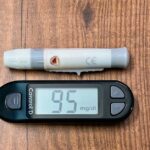




Why Did My Blood Sugar Rise After Using Stevia?
If your meter showed a higher reading after a stevia-sweetened food or drink, the stevia is rarely the cause. Several other explanations are far more likely.
- Other ingredients in the product. Many stevia-sweetened foods — cookies, yogurts, protein bars, flavored drinks — contain carbohydrates from flour, fruit, milk, or added sugar. Those raise glucose. The stevia did not.
- Bulking agents in the sweetener itself. Some stevia blends include maltodextrin or dextrose, which are carbohydrates. Check the label.
- Other food or drink in the same meal. A rise in glucose is often attributed to the most recent thing consumed, but the timing of digestion can be misleading.
- Normal glucose variability. Blood sugar fluctuates throughout the day for many reasons — stress, sleep, illness, hormones, activity, and the dawn phenomenon. A single reading rarely proves cause and effect.
- Caffeine or other compounds. If the stevia was in coffee or an energy drink, other ingredients may be involved.
The practical approach is to look at the whole product, not just the sweetener. If the only change was stevia and the reading still rose, tracking a few readings over several days gives a clearer picture than one measurement.
How Does Stevia Compare to Sugar and Other Sweeteners?
Stevia sits in a different category from sugar and from most artificial sweeteners. The table below compares the basics.
| Sweetener | Contains carbohydrate? | Raises blood glucose? | Calories |
|---|---|---|---|
| Table sugar (sucrose) | Yes | Yes | About 4 per gram |
| Stevia (steviol glycosides) | No meaningful amount | No | Essentially zero |
| Aspartame | No meaningful amount | No | Essentially zero |
| Sucralose | No meaningful amount | No | Essentially zero |
| Erythritol | Minimal | Minimal to none | Very low |
Stevia, aspartame, and sucralose all avoid raising glucose because none of them are broken down into glucose in any significant amount. Sugar is the outlier — it is the one that reliably raises blood sugar. Erythritol, a sugar alcohol often blended with stevia, has minimal impact on glucose for most people.
One clarification worth making: “natural” and “does not raise blood sugar” are two separate claims. Stevia is plant-derived, but that fact alone says nothing about its effect on glucose. The reason stevia does not raise blood sugar is its chemistry, not its origin.
Does Stevia Have Any Downsides?
Stevia is generally recognized as safe by regulatory bodies when consumed in normal amounts. That said, “no effect on blood sugar” does not mean “no effects at all.”
Some people report a bitter or licorice-like aftertaste, especially at higher amounts. Others notice mild digestive discomfort such as bloating or gas, particularly with products that blend stevia with sugar alcohols like erythritol or maltitol. Sugar alcohols can cause digestive symptoms in some people, and that is a separate issue from the stevia itself.
Very high intakes of steviol glycosides have been studied in animals, and regulatory agencies have set acceptable daily intake levels based on that research. For most people eating typical amounts, staying well below those levels is easy. There is no strong evidence of harm at normal dietary intakes.
People who are pregnant or breastfeeding should note that stevia has not been as thoroughly studied in these groups as in the general adult population. Some clinicians advise limiting non-nutritive sweeteners during pregnancy, not because of proven harm but because of limited data. Anyone in this group should talk with their clinician rather than relying on general guidance.
Stevia is not a medicine, not a treatment for diabetes, and not a reason to skip other parts of managing blood sugar. It is simply a sweetener that does not raise glucose. That is a narrow, useful fact — not a health claim.
Frequently Asked Questions
Can stevia raise blood sugar levels?
No. Steviol glycosides are not broken down into glucose, and human studies have not found a meaningful rise in blood glucose after stevia consumption.
Is stevia safe for diabetics?
Stevia does not raise blood sugar, so it is commonly used as a sugar substitute by people with diabetes. It does not treat diabetes or improve long-term control on its own.
Why is my blood sugar high after drinking stevia-sweetened drinks?
Other ingredients in the drink — carbohydrates, added sugar, or bulking agents like maltodextrin — are the more likely cause. Check the full ingredient list, not just the sweetener.
Does stevia spike insulin like sugar does?
Stevia does not trigger the insulin response that sugar does, because it does not meaningfully raise blood glucose. Research on insulin specifically is more limited than research on glucose.
