
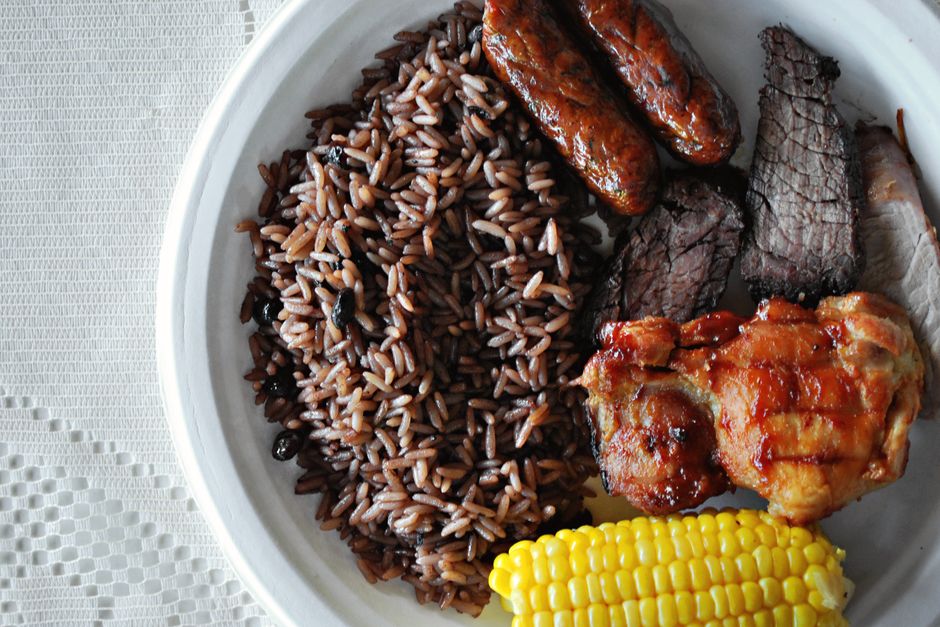
Rice is a carbohydrate food, and it is a good source of energy for most people. What matters more than “good” or “bad” is the type of rice, the portion size, and what you eat with it. Rice does raise blood sugar, but how fast and how high depends on the variety and how it is prepared.
White rice is refined, so it digests quickly and can spike blood sugar. Brown rice and other whole-grain varieties digest more slowly and have a gentler effect. Rice is not off-limits if you watch your blood sugar. The type and the portion are what count.
Is Rice Good Carbs or Bad Carbs?
Rice is a carbohydrate, and carbohydrates are the body’s main fuel source. Calling rice “good” or “bad” misses the point. The real question is whether you eat it in a form that keeps your blood sugar steady.
Carbohydrates are not one thing. They range from simple sugars that absorb fast to complex starches and fibers that absorb slowly. Rice sits mostly in the starch category, and how it is processed changes how your body handles it.
White rice has had its outer bran layer and germ removed during milling. That strips away most of the fiber, vitamins, and minerals. What remains is mostly starch that breaks down quickly. Brown rice keeps the bran and germ, so it carries more fiber and digests more slowly.
Fiber is the key difference. It slows the release of glucose into the bloodstream and feeds beneficial gut bacteria. A food with more fiber tends to produce a smaller, slower rise in blood sugar than a refined version of the same food.
So rice is neither a “good carb” nor a “bad carb” on its own. Brown and other whole-grain rice varieties behave more like a slow-release carb. White rice behaves more like a fast-release carb. Both can fit into a balanced diet, but they do not affect your body the same way.
What Are the Main Types of Rice and How Do They Differ?
Rice comes in several forms, and the differences that matter most for blood sugar are the degree of milling and the starch structure. Color is a useful guide but not the whole story.
- White rice: Milled and refined. Low in fiber, fast to digest, and produces a quicker rise in blood sugar.
- Brown rice: The bran and germ are intact. Higher in fiber and several nutrients, with a slower effect on blood sugar.
- Black and red rice: Whole-grain varieties with colored bran. Generally higher in fiber and antioxidants than white rice.
- Wild rice: Not actually rice but a different grass seed. Higher in protein and fiber than white rice.
- Parboiled rice: Partly steamed before milling, which pushes some nutrients from the bran into the grain. It sits between white and brown rice in fiber content.
Starch structure also matters. Rice contains two main starch types: amylose and amylopectin. Varieties higher in amylose tend to digest more slowly and produce a lower blood sugar response. Long-grain and basmati rices generally fall into this slower-digesting group. Short-grain and sticky rices are higher in amylopectin and tend to digest faster.
This is why two rices of the same color can affect blood sugar differently. A sticky white rice and a long-grain basmati are both white, but they do not behave identically.
How Does Rice Affect Blood Sugar?
Rice raises blood sugar because it is mostly starch, and starch breaks down into glucose during digestion. That glucose enters the bloodstream, and the pancreas releases insulin to move it into cells.
The speed of that rise is measured by the glycemic index, or GI. Foods that break down fast have a high GI and cause a sharper spike. Foods that break down slowly have a low GI and cause a gentler rise. White rice generally has a high GI, while brown rice and slower-digesting long-grain varieties tend to rank lower.
The glycemic index is not the whole picture. It measures a fixed portion of food, not what you actually eat. What matters in real life is the glycemic load, which accounts for both the GI and the amount of carbohydrate in a serving. A small portion of a high-GI rice can have a modest effect, while a large portion of a lower-GI rice can still add up.
Cooling rice after cooking changes things too. When cooked rice cools, some of its starch converts into resistant starch, which resists digestion and produces a smaller blood sugar rise. Reheating does not fully undo this. It is a real effect, though the size of the benefit varies and is not large enough to rely on alone.
For people with diabetes or prediabetes, the response to rice can be more pronounced because the body handles glucose less efficiently. That does not mean rice must be avoided. It means portion, type, and pairing deserve more attention.





Is Rice Good Carbs for People Watching Blood Sugar?
Rice can fit into a blood-sugar-friendly eating pattern when you choose the type and control the portion. The evidence supports whole-grain rice over refined white rice for steadier glucose control, though individual responses vary.
Some studies suggest that replacing white rice with brown rice is linked to a lower risk of type 2 diabetes, though the evidence is not uniform across all populations. The general direction is consistent: whole grains tend to be associated with better metabolic outcomes than refined grains.
Practical steps that help:
- Choose brown, black, red, or wild rice more often than white.
- Keep portions moderate rather than large.
- Pair rice with protein, fat, or fiber, which slows digestion and blunts the blood sugar rise.
- Cook rice, cool it, and reheat it to increase resistant starch.
- Watch what goes on top. Sugary sauces and large amounts of oil add calories without slowing absorption much.
Pairing is where many people miss an easy win. Eating rice with beans, vegetables, eggs, or fish changes the whole meal’s effect on blood sugar. The rice is not acting alone. This is why a mixed meal can produce a gentler glucose response than the same rice eaten by itself.
Does Rice Cause Weight Gain or Belly Fat?
Rice does not cause weight gain by itself. Weight gain comes from eating more calories than the body uses over time, and rice is simply one source of those calories. The type of rice matters less than the total amount and the overall diet.
That said, refined white rice is easy to overeat. It is low in fiber, so it does not fill you up as much as whole grains do. Portion control tends to be harder with white rice than with brown rice for this reason.
Some research has looked at white rice intake and metabolic risk, particularly in populations where white rice is a dietary staple. The findings are mixed and do not establish that white rice alone causes weight gain or belly fat. Total calorie balance and overall diet quality remain the dominant factors.
Brown rice and other whole grains are associated with better weight management in observational studies, but association is not proof of cause. People who eat more whole grains tend to have other healthy habits too. The honest position is that whole grains are a reasonable choice for most people, not a guaranteed weight-loss tool.
How Should You Prepare and Portion Rice?
How you cook and portion rice affects its impact on blood sugar as much as the variety you choose. A few simple habits make a real difference without requiring big changes.
Cooking method matters. Cooking rice with a bit more water and letting it cool before eating increases resistant starch. Cooling and reheating is a practical step that some research supports for lowering the glycemic response, though the effect is modest.
Portion size is the biggest lever. A standard serving of cooked rice is about half a cup, which provides roughly 100 to 120 calories for white rice. Many restaurant portions are several times that amount. Measuring your portion rather than eyeballing it keeps the carbohydrate load predictable.
Pairing and order of eating can help too. Some evidence suggests eating vegetables or protein before the starchy part of a meal can blunt the glucose spike. The effect is small but real, and it costs nothing to try.
Finally, consider what rice replaces. Swapping some white rice for brown rice, or replacing part of the rice on your plate with vegetables, changes the whole meal’s carbohydrate load. Small substitutions repeated over time tend to matter more than any single meal.
Frequently Asked Questions
Is rice a good carb or a bad carb?
Rice is neither good nor bad on its own. Brown and whole-grain rice behave like slow-release carbs, while white rice behaves like a fast-release carb.
Does rice spike blood sugar?
Yes, rice raises blood sugar because it is mostly starch that breaks down into glucose. Brown rice and slower-digesting long-grain varieties tend to cause a gentler rise than white rice.
Is brown rice better than white rice for blood sugar?
Brown rice generally produces a slower, smaller rise in blood sugar than white rice because it retains more fiber. The difference is real but modest, so portion size still matters.
Can people with diabetes eat rice?
Yes, most people with diabetes can eat rice when they choose whole-grain varieties, keep portions moderate, and pair it with protein and vegetables. Individual glucose responses vary, so monitoring your own levels is the best guide.
