
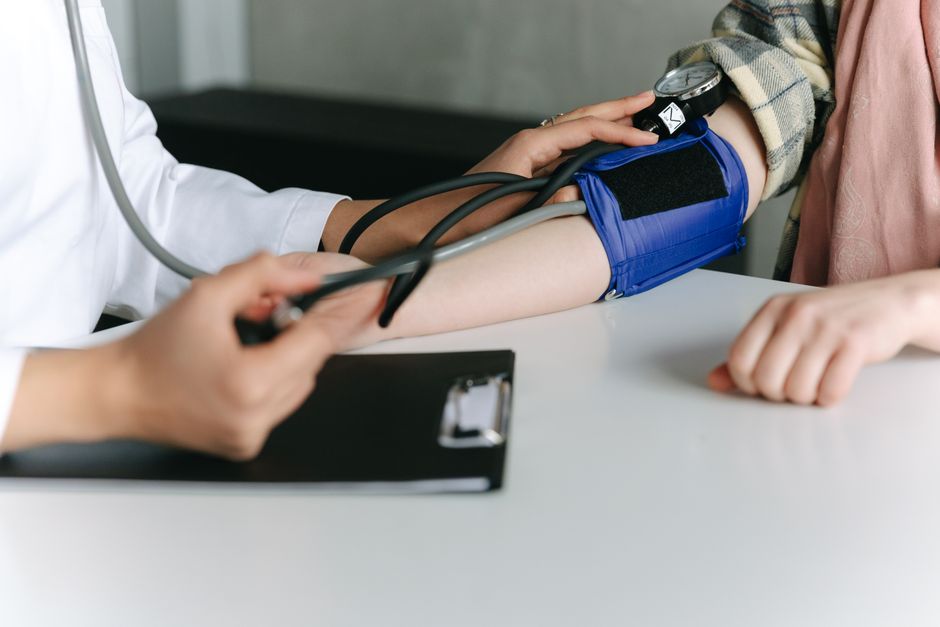
A healthy blood pressure level for most adults is a reading below 120/80 mm Hg. The top number (systolic pressure) measures the force against your artery walls when your heart beats. The bottom number (diastolic pressure) measures that force between beats, while your heart refills. Both numbers matter, and both are measured in millimeters of mercury, written as mm Hg.
Blood pressure is one of the most useful numbers in medicine because it predicts risk. Higher readings over time raise the chance of heart attack, stroke, kidney damage, and other serious problems. Lower readings are generally safer, though very low pressure can cause symptoms too.
This guide covers what the numbers mean, how readings are classified, what affects them, and how to measure them accurately. It is information, not medical advice. If your readings are high, talk with a clinician about what they mean for you.
What Is A Healthy Blood Pressure Level?
A healthy blood pressure level is below 120/80 mm Hg, according to widely used clinical guidelines. Readings in that range are classified as normal for adults.
The table below shows the standard adult categories. These categories come from major clinical guidelines and are used by most clinicians in the United States.
| Category | Systolic (mm Hg) | Diastolic (mm Hg) | |
|---|---|---|---|
| Normal | Below 120 | and | Below 80 |
| Elevated | 120–129 | and | Below 80 |
| Stage 1 hypertension | 130–139 | or | 80–89 |
| Stage 2 hypertension | 140 or higher | or | 90 or higher |
| Hypertensive crisis | Higher than 180 | and/or | Higher than 120 |
Notice that the word “or” appears in the hypertension rows. That matters. If either number falls into a higher category, you are classified in that higher category. A reading of 118/85, for example, is stage 1 hypertension because of the diastolic number, even though the systolic number looks normal.
A hypertensive crisis reading is a medical emergency. If your reading is higher than 180/120 and you have symptoms such as chest pain, shortness of breath, weakness, vision changes, or trouble speaking, call 911 immediately. If you have no symptoms, contact a clinician right away for guidance.
Why Do The Two Numbers Matter Differently?
Systolic pressure reflects the peak force when your heart contracts. Diastolic pressure reflects the resting pressure in your arteries between beats. Both carry information about cardiovascular risk, but they are not equally important at every age.
In adults under about age 50, diastolic pressure is often the stronger predictor of risk. After about age 50, systolic pressure becomes the more important number. This shift happens because arteries stiffen with age, which raises systolic pressure and can lower diastolic pressure.
That stiffening explains a pattern clinicians see often: a systolic number that keeps climbing while the diastolic number stays normal or even drops. A reading like 150/70 in an older adult is not “fine because the bottom number is good.” The high systolic number still signals meaningful risk.
Isolated diastolic hypertension, where only the bottom number is high, is more common in younger adults. It is a real finding and worth discussing with a clinician rather than dismissing.
How Should Blood Pressure Be Measured?
Accurate measurement matters as much as the number itself. A single reading in a busy clinic can be misleading, and small errors in technique can shift results by several points.
These steps reflect standard clinical practice:
- Sit quietly for five minutes before measuring.
- Keep your back supported and both feet flat on the floor.
- Rest your arm on a surface so the cuff sits at heart level.
- Use a cuff that fits your arm. A cuff that is too small reads high.
- Avoid caffeine, exercise, and smoking for 30 minutes beforehand.
- Empty your bladder first.
- Do not talk during the measurement.
- Take two readings about one minute apart and average them.
Home monitoring gives a fuller picture than occasional clinic visits. Many clinicians recommend a validated upper-arm cuff rather than a wrist or finger device, because wrist devices are more sensitive to position errors. Bring your home readings to appointments so they can be reviewed alongside clinic numbers.
Some people have readings that are high in a clinic and normal at home. This pattern is called white coat hypertension. The reverse also happens: normal clinic readings with high home readings, sometimes called masked hypertension. Home monitoring is one way to catch both patterns.


What Causes Blood Pressure To Rise?
Blood pressure rises when the forces that push against artery walls increase. The main drivers are how hard the heart pumps, how much blood is in circulation, and how tightly the small arteries are narrowed.
Several factors influence those drivers. Some you can change and some you cannot.
Factors you cannot change:
- Age. Blood pressure tends to rise with age as arteries stiffen.
- Family history. High blood pressure runs in families.
- Race and ethnicity. High blood pressure is more common and tends to appear earlier in Black adults.
- Chronic kidney disease and some other medical conditions.
Factors you can influence:
- Diet, especially sodium intake and overall eating patterns.
- Physical activity level.
- Body weight.
- Alcohol intake.
- Sleep, including sleep apnea.
- Stress and how you manage it.
- Certain medications, including some decongestants and anti-inflammatory drugs.
One point often missed: sleep apnea is a common and underdiagnosed cause of high blood pressure, particularly in people whose readings stay high despite treatment. Loud snoring, pauses in breathing during sleep, and daytime fatigue are worth mentioning to a clinician.
Can Lifestyle Changes Lower Blood Pressure?
Lifestyle changes can lower blood pressure, and the evidence for several of them is strong. They are not a substitute for medication when medication is needed, but they are a real part of managing risk.
Reducing sodium intake lowers blood pressure in many people. The effect varies from person to person, with some people responding more strongly than others. Following an eating pattern rich in vegetables, fruits, whole grains, and low-fat dairy, and low in saturated fat, has been shown in clinical trials to lower blood pressure. This pattern is often called the DASH diet.
Regular physical activity helps. Aerobic exercise such as brisk walking, along with muscle-strengthening activity, is associated with lower blood pressure in people who do it consistently. Losing excess weight lowers blood pressure in people who carry extra weight. Limiting alcohol helps as well.
What the evidence does not support is the idea that any single food, supplement, or device reliably replaces treatment. No clinical evidence currently confirms that a specific supplement cures high blood pressure. Be cautious with products marketed for blood pressure support.
When Should You See A Clinician?
See a clinician if your readings are consistently in the elevated range or higher. A single high reading is not a diagnosis, but a pattern of high readings deserves attention.
High blood pressure usually has no symptoms. That is why it is sometimes called the silent condition. Most people with high blood pressure feel entirely normal, which is why measurement matters more than how you feel.
Do not wait for symptoms like headaches or nosebleeds to prompt a check. Those symptoms are not reliable signs of high blood pressure. They can occur for many other reasons.
If you already take blood pressure medication, do not stop or change it on your own based on home readings. Talk with your clinician first. Some medications cause rebound effects if stopped suddenly.
What About Low Blood Pressure?
Low blood pressure is generally defined as below 90/60 mm Hg, but the number alone does not determine whether it is a problem. What matters is whether it causes symptoms.
Some people live normally at low readings. Others feel dizzy, lightheaded, or faint, especially when standing up quickly. That pattern is called orthostatic hypotension, and it becomes more common with age. If you have repeated fainting, falls, or dizziness when standing, that is worth a clinical evaluation.
Certain medications, dehydration, and some medical conditions can lower blood pressure. If low readings are new for you and come with symptoms, get checked.
Frequently Asked Questions
What is a normal blood pressure by age?
The standard adult target is below 120/80 mm Hg regardless of age, though blood pressure tends to rise naturally with age. Clinicians may set individual targets based on your overall health and other conditions.
Is 130 over 80 high blood pressure?
Yes. A reading of 130/80 mm Hg falls into stage 1 hypertension under standard adult categories. A single reading is not a diagnosis, so repeated measurements are needed to confirm a pattern.
Can high blood pressure be cured without medication?
Some people lower their blood pressure enough through diet, exercise, weight loss, and reduced sodium that medication is not needed. Others need medication even with healthy habits, because genetics and other factors also play a role.
Does high blood pressure always cause symptoms?
No. High blood pressure usually causes no symptoms at all, which is why regular measurement is the only reliable way to know your levels. Symptoms like headaches are not a dependable sign of high blood pressure.
