
Most sore throats are not strep throat. The majority are caused by viruses — the same kinds of viruses that cause the common cold and flu — and they get better on their own without antibiotics. Strep throat is a bacterial infection caused by group A Streptococcus bacteria, and it is the one common cause of sore throat that genuinely benefits from antibiotic treatment. Knowing the difference matters because antibiotics do nothing for viral infections and using them unnecessarily carries real downsides.
Is Strep Throat Viral Or Bacterial What To Know
Strep throat is bacterial. It is caused by group A Streptococcus, also called Streptococcus pyogenes. This is a specific organism, and it is the reason strep throat is treated differently from most other sore throats.
Viral pharyngitis — the medical term for a viral sore throat — is far more common. Viruses like rhinovirus, adenovirus, influenza, parainfluenza, and Epstein-Barr virus can all cause a sore throat. These infections do not respond to antibiotics because antibiotics target bacteria, not viruses.
The tricky part is that viral and bacterial sore throats can look similar. Both cause pain, redness, and difficulty swallowing. That overlap is exactly why testing exists. You cannot reliably tell them apart by symptoms alone, and healthcare providers know this.
Group A strep is responsible for an estimated 10 to 30 percent of sore throats in children and a smaller share in adults. In adults, viral causes account for the large majority of cases.
What Are The Symptoms Of Strep Throat Compared To A Viral Sore Throat?
Symptoms overlap enough that clinical testing is needed to distinguish them. That said, some patterns are more typical of one than the other.
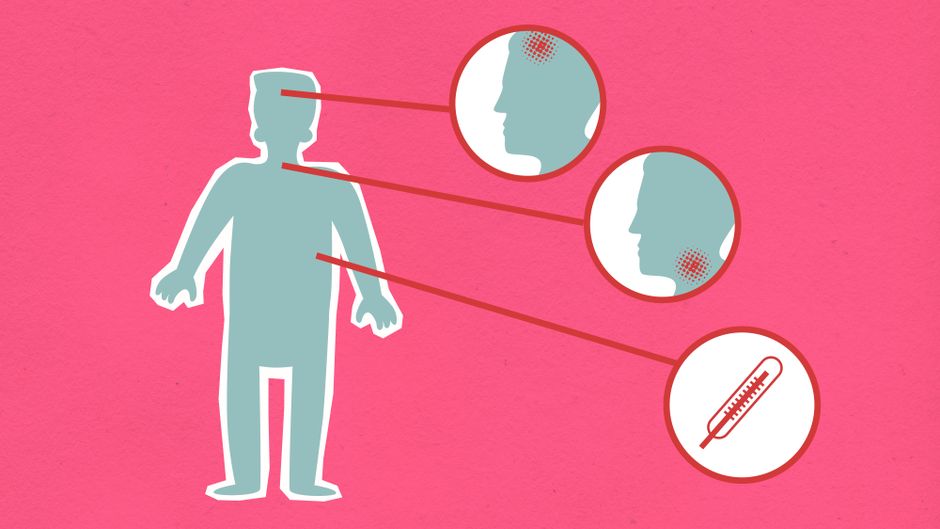
Strep throat often comes on quickly. A person may feel fine in the morning and have a significant sore throat by afternoon. Fever is common. Swallowing can be painful. The tonsils may be red and swollen, sometimes with white patches or streaks of pus. The back of the roof of the mouth may show small red spots. Swollen, tender lymph nodes in the front of the neck are typical.
Notably, strep throat usually does not come with a cough, runny nose, or hoarseness. Those symptoms point more toward a viral cause. This distinction is one of the more useful clues clinicians use, though it is not perfect.
Viral sore throats tend to build more gradually. They often arrive alongside other cold or flu symptoms — nasal congestion, sneezing, cough, watery eyes. Fever may be present but is often lower. Fatigue can be significant, especially with influenza or mononucleosis.
Some symptoms should prompt medical attention regardless of cause:
- Difficulty breathing or swallowing saliva
- Drooling or inability to swallow liquids
- A muffled or “hot potato” voice
- One-sided severe throat pain with swelling
- High fever that does not improve
- A rash that feels like sandpaper
These can signal complications like a peritonsillar abscess or other serious conditions that need urgent evaluation.
How Do Doctors Tell The Difference?
Doctors use a rapid antigen detection test, often called a rapid strep test. It involves swabbing the back of the throat and produces results in minutes. If positive, it confirms group A strep. If negative, a throat culture may be sent to a lab to check further, especially in children.
This two-step approach exists because rapid tests can miss some cases. A throat culture takes one to two days but is more sensitive.
Clinical scoring tools also exist. The Centor criteria assign points for fever, absence of cough, swollen lymph nodes, and tonsillar swelling or pus. These scores help clinicians estimate the likelihood of strep before testing. They are guides, not diagnoses. A test is still needed to confirm.
One non-obvious point: in adults, many clinicians will not test at all if symptoms strongly suggest a viral cause — like a clear cough and runny nose. Testing everyone with a sore throat leads to unnecessary antibiotics and does not improve outcomes.





How Is Strep Throat Treated?
Strep throat is treated with antibiotics. Penicillin and amoxicillin are the standard first-line choices. For people allergic to penicillin, alternatives like cephalexin or azithromycin may be used, depending on the allergy and local resistance patterns.
Antibiotics do several things. They shorten the duration of illness, reduce how contagious a person is, and lower the risk of complications like rheumatic fever and peritonsillar abscess. This is why strep throat is treated even though some people would recover without antibiotics.
It is important to finish the full course as prescribed, even if symptoms improve. Stopping early can allow bacteria to return and may contribute to antibiotic resistance.
Viral sore throats do not respond to antibiotics. Treatment focuses on symptom relief — rest, fluids, pain relievers like acetaminophen or ibuprofen, and throat lozenges or warm saltwater gargles. Some clinicians recommend these supportive measures, though evidence for individual remedies varies.
For strep throat, symptom relief matters too. Over-the-counter pain relievers can ease throat pain and reduce fever. Warm liquids and cold foods like popsicles can soothe irritation. Rest and hydration support recovery.
When Should You See A Doctor?
See a doctor if you have a sore throat with fever, swollen lymph nodes, and no cough. That combination raises the possibility of strep. Also seek care if symptoms are severe, last more than a week, or are accompanied by a rash.
Children should be evaluated if they have a sore throat with fever, especially if they seem unusually tired or have trouble swallowing. Strep is more common in children aged 5 to 15.
Adults can usually wait a day or two to see if symptoms improve, unless they are severe. But if you have a known exposure to someone with strep, or if symptoms are worsening, it is reasonable to get checked sooner.
People with weakened immune systems, or those who have had rheumatic fever, should seek care promptly for any sore throat. The stakes are higher for these groups.
Can You Prevent Strep Throat?
There is no vaccine for group A strep. Prevention relies on limiting spread.
Strep spreads through respiratory droplets — coughing, sneezing, sharing utensils or drinks. Handwashing is the most effective measure. So is not sharing eating utensils, cups, or toothbrushes with someone who has strep.
If someone in your household has strep, they are considered contagious until they have been on antibiotics for at least 12 to 24 hours. After that, the risk of spreading drops significantly. They should stay home from school or work during that window.
Some people carry group A strep without symptoms. This is called being a carrier. Carriers can sometimes spread the bacteria, though the risk is lower than during active infection. This is one reason strep can circulate even when no one seems sick.
What Happens If Strep Throat Goes Untreated?
Most people with strep throat will recover without antibiotics, but the risk of complications is real. Untreated strep can lead to rheumatic fever, an inflammatory condition that can affect the heart, joints, and nervous system. It is rare in the United States but still occurs.
Other complications include peritonsillar abscess — a collection of pus near the tonsils — and kidney inflammation called post-streptococcal glomerulonephritis. These are uncommon but serious.
Antibiotic treatment reduces these risks. It also speeds recovery and reduces the chance of spreading the infection to others.
This is why testing matters. If you have strep, treatment helps. If you do not, antibiotics will not help and may cause side effects like diarrhea, yeast infections, or allergic reactions. Overuse of antibiotics also contributes to resistance, which is a growing public health concern.
Frequently Asked Questions
How can I tell if my sore throat is strep or viral?
You cannot reliably tell them apart by symptoms alone. Strep is more likely with sudden onset, fever, swollen lymph nodes, and no cough, but testing is needed to confirm.
Do you always need antibiotics for strep throat?
Antibiotics are recommended for confirmed strep throat to reduce symptoms, prevent complications, and limit spread. Some people recover without them, but the risk of complications is why treatment is standard.
How long is strep throat contagious?
A person with strep is most contagious before starting antibiotics and for the first 12 to 24 hours after starting them. After that, the risk of spreading drops significantly.
Can a viral sore throat turn into strep throat?
No, a viral sore throat does not turn into strep throat. They are caused by different organisms. However, it is possible to have a viral infection and a strep infection at the same time.
