
Ginger ale sounds like a safe choice when you are following a low FODMAP diet. Ginger itself is a low FODMAP food, so the logic seems simple. But the drink is not the spice. Most commercial ginger ale is a sweetened soda, and the sweetener is what decides whether the can in your hand is low FODMAP or not. Some brands use sweeteners that are high in FODMAPs. Others use sweeteners that are not. That is why the answer depends on the brand, and why you have to read the label every time.
Is Ginger Ale Low FODMAP It Depends On The Brand?
Yes. The ginger is not the problem. The sweetener is.
FODMAP stands for fermentable oligosaccharides, disaccharides, monosaccharides, and polyols. These are short-chain carbohydrates that some people absorb poorly in the small intestine. When they reach the large intestine, gut bacteria ferment them. For people with irritable bowel syndrome, that fermentation can trigger bloating, cramping, gas, and changes in bowel habits.
Ginger ale almost always contains added sugar or a sugar substitute. Which one it contains determines its FODMAP status. Two ginger ales sitting side by side on the same shelf can be completely different in this respect.
Which Sweeteners Make Ginger Ale High FODMAP?
Fructose is the main one to watch. Fructose is a monosaccharide, and it is a FODMAP when it appears in excess of glucose.
Ordinary table sugar, called sucrose, is made of equal parts glucose and fructose. Because the glucose is there in matching amounts, sucrose is generally considered low FODMAP in normal serving sizes. The trouble starts when a manufacturer uses high fructose corn syrup or added fructose instead. High fructose corn syrup contains more fructose than glucose. That imbalance is what makes it a FODMAP.
In the United States, high fructose corn syrup is extremely common in mass-market sodas, including ginger ale. This is one of the reasons American ginger ale is more likely to be a problem than versions sold in some other countries, where cane sugar is more common.
There is a second category to check. Some diet or “zero sugar” ginger ales use polyols as sweeteners. Polyols are sugar alcohols, and several of them are FODMAPs. Sorbitol, mannitol, xylitol, and maltitol all fall into this group. They are common in sugar-free candy and gum, and they can appear in diet drinks as well.
Which Sweeteners Keep Ginger Ale Low FODMAP?
Sucrose, glucose, and certain non-caloric sweeteners are generally considered low FODMAP.
If a ginger ale is sweetened with plain cane sugar or beet sugar — both of which are sucrose — it is more likely to be low FODMAP in a standard serving. The same applies to ginger ale sweetened with glucose or glucose syrup.
Several artificial sweeteners are not FODMAPs at all. Aspartame, sucralose, saccharin, and acesulfame potassium are generally regarded as low FODMAP. Stevia is also generally considered low FODMAP. These do not ferment in the gut the way FODMAP carbohydrates do.
One caution applies here. Low FODMAP does not mean the sweetener will sit well with you. Sugar alcohols and some artificial sweeteners can cause digestive symptoms through mechanisms unrelated to FODMAPs. If a diet ginger ale bothers your stomach, the FODMAP content may not be the reason.
Quick comparison of common sweeteners
| Sweetener | FODMAP status |
|---|---|
| Sucrose (cane sugar, beet sugar) | Generally low FODMAP in normal servings |
| Glucose | Low FODMAP |
| High fructose corn syrup | High FODMAP (excess fructose) |
| Added fructose | High FODMAP |
| Sorbitol, mannitol, xylitol, maltitol | High FODMAP (polyols) |
| Aspartame, sucralose, saccharin | Generally low FODMAP |
| Stevia | Generally low FODMAP |




How Do You Read a Ginger Ale Label for FODMAPs?
Turn the can around and read the ingredient list. That is the only reliable method, because brand formulas change and the same brand may sell several versions.
Look for these words and treat them as red flags:
- High fructose corn syrup
- Fructose or crystalline fructose
- Sorbitol
- Mannitol
- Xylitol
- Maltitol
- Inulin or chicory root fiber
Inulin deserves a mention because it sometimes shows up in “added fiber” drinks. It is a fructan, which is a FODMAP. A ginger ale marketed as containing added fiber is worth checking closely.
If the label lists cane sugar, glucose, aspartame, sucralose, or stevia as the sweetener, the drink is more likely to fit a low FODMAP approach. If it lists high fructose corn syrup or a sugar alcohol, it is more likely to be a problem.
One more thing to check: serving size. FODMAP tolerances are dose-dependent. A small glass and a large bottle are not the same exposure. The Monash University FODMAP app, which is the standard reference for FODMAP food data, lists foods by serving size for exactly this reason.
Is Ginger Itself Low FODMAP?
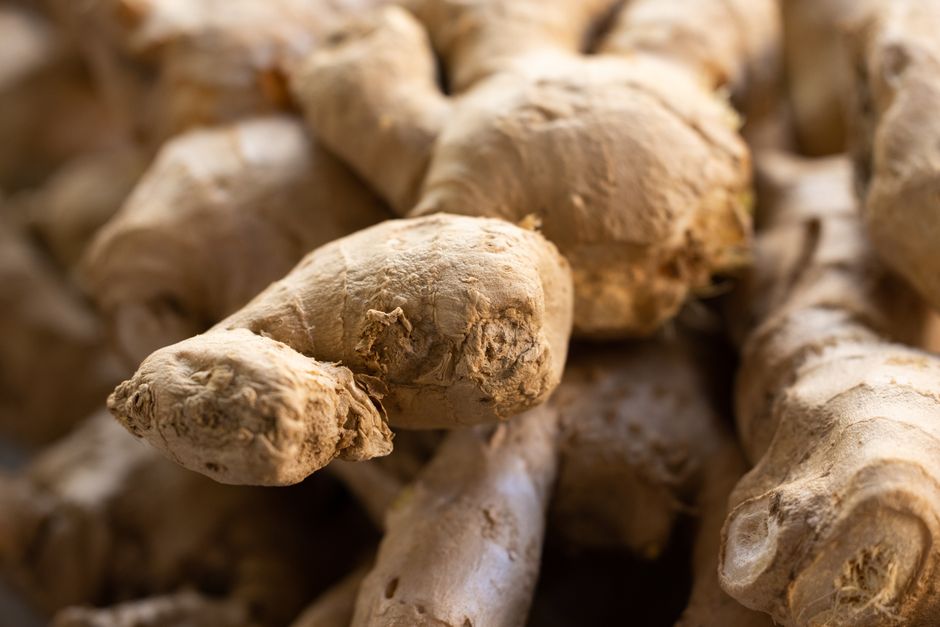
Yes. Fresh ginger is low FODMAP in common serving sizes.
This surprises some people, because ginger has a strong flavor and a reputation for settling the stomach. Strong taste and FODMAP content are unrelated. FODMAPs are about carbohydrate structure, not flavor intensity.
So the ginger in ginger ale is not what makes it high FODMAP. If you want ginger’s flavor without the sweetener question, ginger tea made from fresh root is a low FODMAP option. So is adding fresh grated ginger to food.
Does Ginger Ale Actually Help With Nausea?
Ginger has a reasonable evidence base for nausea. Ginger ale does not.
This is a distinction worth making clearly. Some studies suggest ginger may help with nausea, including nausea in pregnancy and after surgery. That research uses ginger itself, often in standardized doses. It does not study ginger ale.
Commercial ginger ale typically contains very little actual ginger. Many brands use ginger flavoring rather than real ginger extract. The sugar content is high. So the drink inherits the reputation of the spice without the amount of spice that was studied.
If you are dealing with nausea, ginger ale is a comfort drink, not a treatment. And if you are following a low FODMAP diet at the same time, the sweetener matters more than the ginger does.
For pregnant readers, this is worth stating plainly. Nausea in pregnancy is a medical topic, and any decision about ginger products or anti-nausea treatment should go through your clinician rather than a soft drink label.
What Are Better Low FODMAP Alternatives to Ginger Ale?
If you want a fizzy drink that fits a low FODMAP approach, several options are more predictable than ginger ale.
- Plain sparkling water with a squeeze of fresh lime or lemon
- Ginger tea made from fresh ginger root, served hot or chilled
- Sparkling water with a small amount of low FODMAP fruit, such as a few strawberries
- Unsweetened iced tea
If you specifically want a soda, look for one sweetened with cane sugar, glucose, or a non-FODMAP sweetener like stevia or sucralose. Read the label each time you buy, because manufacturers reformulate.
One practical note. Carbonation itself can cause bloating and gas in some people, independent of FODMAP content. If fizzy drinks bother you no matter what they are sweetened with, the bubbles may be the issue rather than the sweetener.
Why the Low FODMAP Diet Is Not a Forever Diet
The low FODMAP diet is a short-term elimination and reintroduction protocol, not a permanent way of eating.
It is usually done in three phases. First, you restrict high FODMAP foods for a set period. Then you reintroduce them one at a time to identify your personal triggers. Finally, you personalize your diet around what you actually tolerate.
This matters for ginger ale because the goal is not to avoid every high FODMAP food forever. The goal is to learn which ones affect you and in what amounts. Some people tolerate a small serving of a high FODMAP drink without symptoms. Others do not.
The diet is also best done with guidance from a registered dietitian who is trained in FODMAPs. Restriction phases can narrow your food choices in ways that affect nutrition if they go on too long or too broadly.
What Is the Bottom Line on Ginger Ale and FODMAPs?
Ginger ale is not automatically high or low FODMAP. It depends entirely on the sweetener in that specific product.
Ginger ale sweetened with high fructose corn syrup or a sugar alcohol is likely to be high FODMAP. Ginger ale sweetened with cane sugar, glucose, or a non-FODMAP sweetener like stevia or sucralose is more likely to be low FODMAP in a normal serving.
Read the ingredient list every time. Formulas change. Brands differ. And if you are managing IBS with a low FODMAP diet, work with a dietitian rather than guessing from the front of the can.
Frequently Asked Questions
Is ginger ale high FODMAP?
It depends on the sweetener. Ginger ale made with high fructose corn syrup or sugar alcohols is high FODMAP, while ginger ale made with cane sugar or non-FODMAP sweeteners is more likely to be low FODMAP in a normal serving.
Is ginger low FODMAP?
Yes, fresh ginger is low FODMAP in common serving sizes. The ginger itself is not what makes ginger ale high FODMAP.
Does ginger ale help with nausea?
Some studies suggest ginger may help with nausea, but those studies use ginger itself, not ginger ale. Commercial ginger ale usually contains very little real ginger and a lot of sugar.
What sweeteners in ginger ale should I avoid on a low FODMAP diet?
Avoid ginger ale listing high fructose corn syrup, fructose, sorbitol, mannitol, xylitol, or maltitol. These are the sweeteners most likely to make the drink high FODMAP.
