
Getting 50 grams of protein in a day is easier than most people think. It takes roughly two to three servings of protein-rich foods spread across your meals. A chicken breast at lunch, Greek yogurt with breakfast, and lentils at dinner will get you there without any powders or special products. The key is knowing which foods deliver the most protein per serving and building meals around them.
How Much Protein Do You Actually Need Each Day?
The Recommended Dietary Allowance for protein is 0.8 grams per kilogram of body weight per day for most adults. For a 150-pound person, that works out to about 54 grams daily. So 50 grams is right in line with basic needs for many adults.
But “basic needs” and “optimal” are not the same thing. The RDA is set to prevent deficiency, not to support muscle building, recovery from illness, or healthy aging. Research on muscle protein synthesis suggests that adults may benefit from somewhat more, particularly as they get older. Some studies indicate that distributing protein across meals — rather than eating most of it at dinner — supports muscle maintenance better.
People with higher needs include athletes, pregnant and breastfeeding women, older adults, and anyone recovering from surgery or illness. In those cases, 50 grams may be a starting point rather than a target.
Which Foods Pack the Most Protein Per Serving?
Animal foods tend to deliver more protein per ounce than plant foods, but both can help you reach 50 grams. Here are some common foods and what they contribute:
| Food | Serving Size | Protein (grams) |
|---|---|---|
| Chicken breast, cooked | 3 oz | 26 |
| Lean beef, cooked | 3 oz | 22 |
| Salmon, cooked | 3 oz | 22 |
| Eggs | 2 large | 12 |
| Greek yogurt, plain | 1 cup | 20 |
| Cottage cheese | 1 cup | 24 |
| Lentils, cooked | 1 cup | 18 |
| Black beans, cooked | 1 cup | 15 |
| Tofu, firm | 4 oz | 11 |
| Peanut butter | 2 tbsp | 7 |
| Quinoa, cooked | 1 cup | 8 |
| Whey protein powder | 1 scoop | 20-25 |
These values come from USDA nutritional data and are approximate. Brand and preparation can shift the numbers slightly.
Notice that a single chicken breast or a cup of cottage cheese gets you nearly halfway to 50 grams on its own. Two eggs and a cup of Greek yogurt add another 32 grams. You do not need to eat large volumes of food to hit this target.
What Does a Day of 50 Grams of Protein Look Like?
Building a day around protein does not require a special diet. Here is one example:
- Breakfast: 1 cup Greek yogurt (20g) with berries and a tablespoon of almonds (2g) — 22 grams
- Lunch: 3 oz chicken breast (26g) over a salad — 26 grams
- Dinner: 1 cup lentil soup (18g) with a slice of whole grain bread (3g) — 21 grams
That totals 69 grams — more than enough. You could trim portions and still hit 50 easily.
For a plant-based day:
- Breakfast: Oatmeal with 2 tbsp peanut butter (7g) and 1 cup soy milk (7g) — 14 grams
- Lunch: 1 cup black beans (15g) with rice and vegetables — 15 grams
- Dinner: 4 oz firm tofu (11g) stir-fried with 1 cup quinoa (8g) — 19 grams
- Snack: Handful of edamame (8g) — 8 grams
That comes to about 56 grams. Plant proteins can absolutely get you to 50 grams, but they require a bit more planning because they are generally less concentrated per serving.


How Can You Add Protein Without Eating More Meat?
Meat is not the only route. Several foods add protein quietly to meals you already eat.
Greek yogurt has roughly double the protein of regular yogurt. Swapping it in for sour cream or regular yogurt in dips and sauces adds protein without changing the meal much.
Eggs can be added to almost anything — fried rice, salads, grain bowls. Each large egg contributes about 6 grams.
Canned fish like tuna and sardines are shelf-stable and inexpensive. A small can of tuna provides around 20 grams of protein.
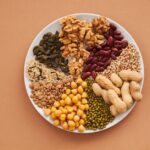
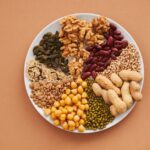
Beans and lentils can be stirred into soups, pasta dishes, and casseroles. Even a half-cup adds 7-9 grams.
Cottage cheese blends into smoothies and pancake batter without a strong flavor. A half-cup adds about 12 grams.
Nuts and seeds are less concentrated — a quarter-cup of almonds has about 7 grams — but they contribute across the day.
Do You Need Protein Powder to Reach 50 Grams?
No. Protein powder is convenient, not necessary. Most people can reach 50 grams through whole foods alone.
That said, powder can help in specific situations. If you struggle to eat enough in the morning, a scoop of whey or plant protein in a smoothie adds 20-25 grams quickly. If you have a small appetite due to illness or aging, liquid protein sources may be easier to tolerate.
The evidence on protein supplements versus whole food protein is mixed. Some studies suggest whole foods may support satiety and muscle maintenance slightly better, but the difference is not large enough to matter for most people. Total daily protein intake matters more than the source.
One caution: protein powders are supplements, not foods. They are not reviewed by the FDA for safety and effectiveness before sale. Third-party testing certifications exist, but not all products carry them. If you choose to use powder, look for products that have undergone independent testing.
Does Timing Matter for Hitting 50 Grams?
Spreading protein across meals appears to be more effective for muscle maintenance than eating it all at once. Research on muscle protein synthesis suggests that roughly 25-30 grams of high-quality protein per meal stimulates muscle building optimally in most adults.
That means three meals with 15-20 grams each may not be quite as effective as three meals with 25-30 grams each, even if the daily total is the same. For healthy younger adults, the difference is probably small. For older adults, who experience age-related muscle loss, the distribution may matter more.
If you eat only two meals a day, you may want to aim for 25 grams at each. If you eat three, aim for 15-20 at each and add a protein-rich snack.
None of this is a rule. It is a pattern that some research supports. The most important thing is hitting your daily total consistently.
What About Digestibility and Protein Quality?
Not all protein is absorbed equally. Animal proteins — meat, eggs, dairy — are generally more digestible and contain all essential amino acids in proportions the body uses efficiently. Most plant proteins are lower in one or more essential amino acids.
This does not mean plant proteins are inferior. It means you need to eat a variety across the day. Rice and beans together provide a complete amino acid profile. So do hummus and whole wheat pita. You do not need to combine them at every meal — your body pools amino acids over the day.
Soy is an exception among plant proteins. It is a complete protein with digestibility close to animal sources. Tofu, tempeh, and edamame are all strong choices.
For most people eating a mixed diet, protein quality is not a practical concern. It becomes more relevant for vegans, older adults, and anyone with digestive conditions that affect absorption.
Can You Eat Too Much Protein?
For healthy adults with normal kidney function, higher protein intakes — well above 50 grams — are generally considered safe. The upper limit often cited in research is around 2 grams per kilogram of body weight per day, though some athletes exceed this without apparent harm.
People with chronic kidney disease may need to limit protein. If you have kidney disease, talk to your doctor before increasing protein intake.
Very high protein diets that crowd out carbohydrates and fiber can lead to constipation and may affect heart health over time, depending on the types of protein eaten. Processed meats are associated with increased risk of certain cancers, while fish, poultry, beans, and nuts are associated with neutral or beneficial effects.
The source of protein matters as much as the amount.
Frequently Asked Questions
How many eggs do I need to get 50 grams of protein?
You would need about eight large eggs to reach 50 grams, since each egg has roughly 6 grams. Most people combine eggs with other protein sources rather than relying on eggs alone.
Can I get 50 grams of protein as a vegetarian?
Yes. Greek yogurt, cottage cheese, eggs, lentils, beans, tofu, and quinoa can all contribute. A vegetarian day that includes dairy and eggs can reach 50 grams without much difficulty.
Is 50 grams of protein enough to build muscle?
It may be enough for basic needs but is likely below what most people need for muscle growth. Research on muscle building generally supports higher intakes, often in the range of 1.4 to 2.0 grams per kilogram of body weight per day.
What is the easiest way to add 50 grams of protein to my day?
Start with a protein-rich breakfast like Greek yogurt or eggs, include a palm-sized portion of meat, fish, or tofu at lunch and dinner, and add beans or lentils where you can. This pattern typically lands near or above 50 grams without tracking.
