
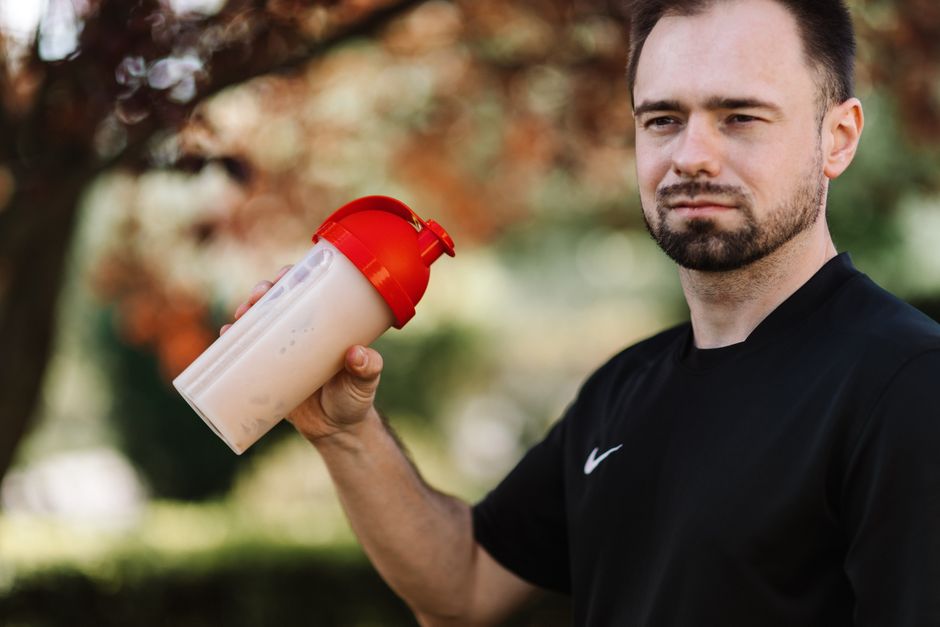
Mixing protein powder into hot coffee often turns into a gummy, clumpy mess. The fix is simple: mix the protein powder with a small amount of cold or room-temperature liquid first to create a smooth slurry, then add that to your coffee. This two-step method prevents the powder from seizing when it hits the heat and acid of the brew. You can also use a blender or a dedicated milk frother for an even smoother result.
Why Does Protein Powder Clump in Coffee?
Protein powder clumps because of how it interacts with heat and acid. Coffee is both hot and slightly acidic. When protein powder hits hot liquid, the proteins on the outside of each particle quickly denature — they unwind and bond together. This forms a skin around the dry powder inside, trapping it and creating those rubbery lumps.
The acid in coffee makes this worse. Acid causes proteins to coagulate faster, similar to how lemon juice curdles milk. Whey protein is especially prone to this reaction. Plant-based proteins like pea or soy tend to behave a bit differently, but they can still clump if added directly to hot coffee.
Think of it like adding flour to hot gravy. If you dump it in all at once, you get lumps. If you whisk it with cold water first, it blends smoothly. Protein powder works the same way.
How To Mix Protein Powder Into Coffee Without Clumping
The most reliable method is the slurry technique. Here is the step-by-step process that works consistently:
- Add your protein powder to a small cup or bowl.
- Pour in about 2 to 3 tablespoons of cold water, milk, or a milk alternative.
- Stir vigorously with a fork or small whisk until the powder is fully dissolved into a smooth paste.
- Pour this slurry into your hot coffee and stir.
The cold liquid hydrates the protein particles evenly before they meet the heat. By the time the slurry hits the coffee, the proteins have already absorbed liquid and cannot form that dry-core clump.
You can also use a blender. Add coffee, protein powder, and a splash of milk to a blender and run it for 15 to 20 seconds. This creates a foamy, smooth drink similar to a latte. A handheld milk frother works too — it spins fast enough to break up powder clumps before they can form.
Does the Type of Protein Powder Matter?
Yes. Whey protein concentrate is the most common type and the most likely to clump. It has more lactose and fat, which can make it react poorly to heat. Whey protein isolate is more processed and tends to mix more smoothly, though it can still clump if added directly to hot coffee.
Casein protein is the worst offender. It is a slow-digesting milk protein that forms a thick, pudding-like texture when mixed with liquid. In hot coffee, casein can turn into a gluey mess. If you use casein, the slurry method is essential, and even then the texture may be thicker than you expect.
Plant-based proteins — pea, brown rice, hemp, and soy — generally mix better in hot coffee. They do not have the same heat-sensitive proteins as dairy. However, some plant proteins have a gritty texture that no mixing method can fully fix. That is a texture issue, not a clumping issue.
Collagen peptides are the easiest to mix. They dissolve readily in both hot and cold liquids. If your main goal is getting protein into your coffee without lumps, collagen is the most forgiving option.





What About Milk and Creamer?
Adding protein powder to coffee that already contains milk or creamer changes the math. The fat and protein in the milk can buffer the acid and heat slightly, which reduces clumping. But it does not eliminate the problem.
If you add creamer first, then sprinkle the protein powder on top while stirring, you may get away with fewer clumps. The creamer coats the powder particles and slows down the heat reaction. This works better with plant-based protein powders than with whey.
A better approach is to mix the protein powder with the milk or creamer first, before adding the coffee. This is essentially the slurry method using your regular coffee additions instead of water. It adds one step but produces a much smoother drink.
Is It Safe to Put Protein Powder in Hot Coffee?
Yes, it is safe. Heating protein powder does not make it toxic or unsafe to eat. The proteins denature — that is the clumping — but denatured protein is still digestible and nutritious. Your body breaks it down the same way whether it was clumped or smooth.
There is a common myth that heating whey protein destroys its nutritional value. That is not accurate. Cooking or heating protein changes its structure but does not destroy the amino acids. The protein still provides the same nutritional benefit.
The only real downside to hot coffee is the texture. Some people also notice that protein powder changes the taste of coffee, making it slightly chalky or sweet. That is a flavor preference, not a safety issue.
One note: do not add protein powder to boiling water or coffee that is still bubbling hot. Let the coffee cool for a minute or two first. Extremely high heat makes clumping worse and can create a rubbery texture that is hard to fix even with the slurry method.
Does Protein Powder Curdle in Coffee?
Sometimes. Curdling looks like small white flecks or a separated, grainy texture in your coffee. It happens when the acid in coffee causes the protein to coagulate. This is the same chemical reaction that makes milk curdle when you add lemon juice.
Whey protein is the most likely to curdle. The acidity of coffee — usually around pH 4.5 to 5.5 — is enough to trigger this reaction, especially if the coffee is very hot. Dark roasts tend to be less acidic than light roasts, so they may cause less curdling.
You can reduce curdling by choosing a low-acid coffee or adding a pinch of baking soda to your coffee before mixing in the protein powder. The baking soda raises the pH slightly, which makes the coffee less acidic. Use only a tiny pinch — about 1/8 teaspoon — or you will taste the baking soda.
Does Blending Protein Coffee Destroy the Protein?
No. Blending does not destroy protein. It physically breaks up clumps and incorporates air into the liquid, creating a frothy texture. The protein molecules themselves are unaffected by the mechanical action of the blender blades.
Some people worry that the heat from a blender’s motor could damage the protein. That is not a real concern. A standard blender running for 20 seconds does not generate enough heat to change the protein structure in any meaningful way.
If you use a high-speed blender for an extended time, the liquid may warm up slightly. But it will not get hot enough to destroy amino acids. The protein remains fully intact and digestible.
What Is the Best Way to Make a Protein Latte?
A protein latte is one of the easiest ways to get a smooth result. Start by brewing your coffee as usual. While it brews, mix your protein powder with a small amount of cold milk or water to make a slurry.
Steam or warm your milk separately if you want a hot latte. Do not boil the milk — just heat it until it is steaming. Combine the hot coffee, the protein slurry, and the warm milk in a large cup. Stir well.
This method works because it never exposes the dry protein powder to extreme heat. The powder is already fully hydrated before it meets the coffee or milk. The result is a smooth, creamy drink with no lumps.
If you prefer a cold protein coffee, the process is even easier. Cold brew coffee is naturally less acidic than hot brewed coffee, so it causes less clumping. Mix your protein powder directly into cold brew with a shaker bottle or blender for a smooth iced protein coffee.
Frequently Asked Questions
Can I just stir protein powder into hot coffee?
You can, but it will likely clump. Stirring alone does not break up the dry powder fast enough before the heat causes the proteins to bond.
Does cold brew coffee mix better with protein powder?
Yes, cold brew is less acidic than hot coffee, so it causes less clumping and curdling. You can often mix protein powder directly into cold brew with a shaker bottle.
Is it better to use a blender or a shaker bottle for protein coffee?
A blender gives the smoothest result because it breaks up clumps completely. A shaker bottle works well if you mix the protein with cold liquid first, then add the coffee.
Does heating protein powder destroy its nutritional value?
No. Heating changes the protein’s structure but does not destroy the amino acids. The protein remains fully digestible and nutritious.
