
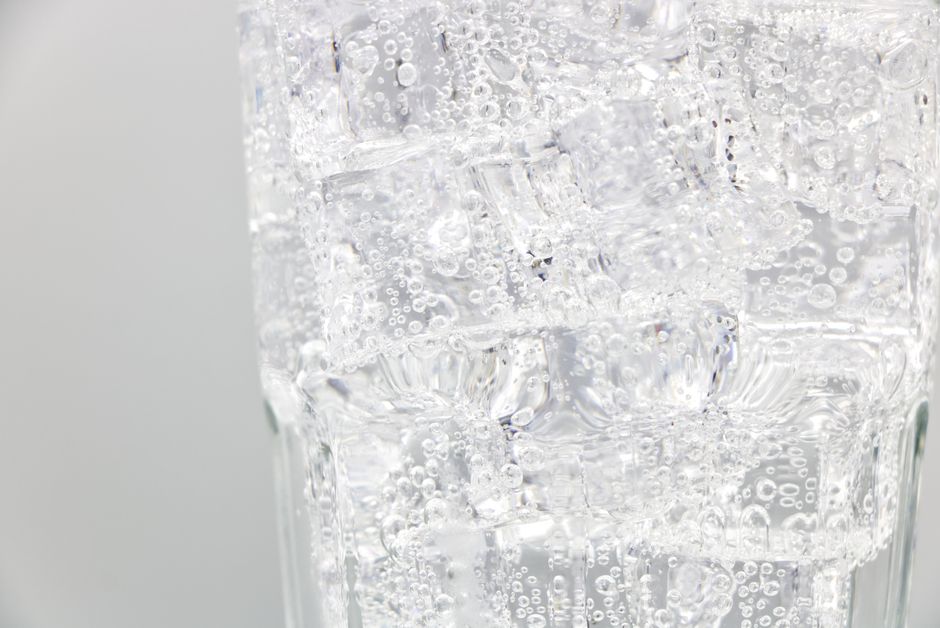
Sparkling natural mineral water is water that comes from a protected underground source and contains naturally occurring minerals and trace elements. The carbonation may be naturally present or added after the water is drawn from the source. For most healthy adults, it is a perfectly good choice for hydration — it hydrates you just as well as still water, and it contains no sugar, calories, or artificial additives. The minerals it provides are real but usually present in small amounts, so it is not a meaningful substitute for a balanced diet.
What Makes Water “Natural Mineral Water”?
The term is regulated, not just marketing. Natural mineral water must come from a geologically protected underground source and be bottled at the source. It cannot be treated in ways that change its essential mineral composition.
This is different from “spring water,” which also comes from an underground source but does not carry the same mineral-composition requirements. It is also different from club soda and seltzer. Club soda has minerals or salts added during processing. Seltzer is simply water with carbon dioxide added and generally has no meaningful mineral content.
So when you pick up a bottle labeled “natural mineral water,” you are getting water with a mineral profile that reflects where it came from. That profile can vary a lot between brands. Some are high in calcium. Some lean toward bicarbonate or magnesium. Some are quite low in everything.
Does Sparkling Water Hydrate You as Well as Still Water?
Yes. The carbonation does not reduce how well your body absorbs the water. The idea that fizzy water hydrates you less than flat water is not supported by the evidence.
Your body needs water to regulate temperature, move nutrients, cushion joints, and support nearly every organ system. The carbon dioxide that creates the bubbles dissolves into the water and is largely released as gas. It does not meaningfully change the water’s ability to do its job.
The one practical note is comfort. Some people find that a lot of carbonation makes them feel full or bloated, which can make it harder to drink enough. If that happens, it is a matter of personal tolerance, not a hydration problem with the water itself.
What Minerals Are Actually in It?
The minerals depend entirely on the source. Common ones include calcium, magnesium, potassium, sodium, and bicarbonate. The amounts are usually modest compared with what you get from food.
Here is the key point that gets lost in marketing: the mineral content of bottled water is usually too low to make a real nutritional difference. A glass of milk or a serving of leafy greens will typically give you far more calcium and magnesium than a bottle of mineral water.
That does not make the minerals worthless. It just means the health value of mineral water comes mostly from the fact that it is water — not from the trace minerals. If a brand implies its mineral content will correct a deficiency, that claim goes beyond what the evidence supports.
| Type | Source | Minerals | Carbonation |
|---|---|---|---|
| Natural mineral water | Protected underground source | Naturally occurring, varies by source | Natural or added |
| Spring water | Underground source | No fixed requirement | Usually still |
| Club soda | Often treated tap water | Salts or minerals added | Added |
| Seltzer | Water | Minimal | Added |




Is Carbonated Water Bad for Your Bones or Teeth?
Carbonation itself does not harm your bones. The concern about sparkling water and bone health comes from a different place — soda, not sparkling water. Cola drinks contain caffeine, phosphoric acid, and often a lot of sugar, and heavy cola intake has been linked in some studies to lower bone density. Sparkling mineral water does not contain those ingredients.
Teeth are a slightly more nuanced story. Plain carbonated water is only mildly acidic, and the evidence suggests it is far less erosive than sugary soda or even citrus juices. The bigger factor is what else is in the drink. Sparkling water with added sugar, citric acid, or flavoring agents can be more acidic and more likely to contribute to enamel erosion over time.
If you drink plain sparkling mineral water, there is no strong evidence of harm to teeth. If you drink flavored or sweetened sparkling drinks all day, that is a different situation and worth paying attention to.
Who Should Be Careful With Sparkling Mineral Water?
For most people, there is nothing to worry about. But a few groups may want to pay closer attention to the mineral content on the label.
- Sodium-sensitive individuals. Some mineral waters are high in sodium. If you are watching your salt intake for blood pressure reasons, check the label — the sodium content varies widely between brands.
- People with kidney conditions. If your doctor has told you to limit certain minerals, the specific mineral profile of your water matters.
- Anyone with reflux or bloating. Carbonation can worsen symptoms for some people. This is individual, not universal.
None of these are reasons to avoid sparkling water across the board. They are reasons to read the label and know what you are drinking. The mineral content is printed on most bottles.
Is Sparkling Natural Mineral Water Good For You?
For healthy adults, yes — it is a good choice. It hydrates, it has no sugar or calories, and it can be a satisfying replacement for sugary drinks, which is where a lot of the real health benefit lies.
The honest framing is this: sparkling mineral water is good for you mostly because it is water. The minerals are a small bonus, not a treatment. If you enjoy it and it helps you drink more fluids instead of soda or sweetened beverages, that is a genuine win.
What it is not is a supplement, a cure, or a meaningful source of nutrition on its own. No study has shown that drinking mineral water corrects mineral deficiencies or delivers health benefits beyond hydration. Claims that suggest otherwise are marketing, not medicine.
If you like the taste and the bubbles, drink it. If you do not, still water does the same job.
Frequently Asked Questions
Is sparkling natural mineral water as hydrating as regular water?
Yes, it hydrates you just as well as still water. Carbonation does not reduce how well your body absorbs the water.
Does sparkling water hurt your teeth?
Plain sparkling water is only mildly acidic and is far less erosive than sugary soda or citrus juice. Flavored or sweetened sparkling drinks are more acidic and worth limiting.
Does sparkling mineral water have enough minerals to matter nutritionally?
The mineral content is usually too low to make a real nutritional difference compared with food. The main health value comes from the water itself.
Can I drink sparkling mineral water every day?
For most healthy adults, daily intake is fine. If you are watching sodium or have a kidney condition, check the label, since mineral content varies by brand.
