
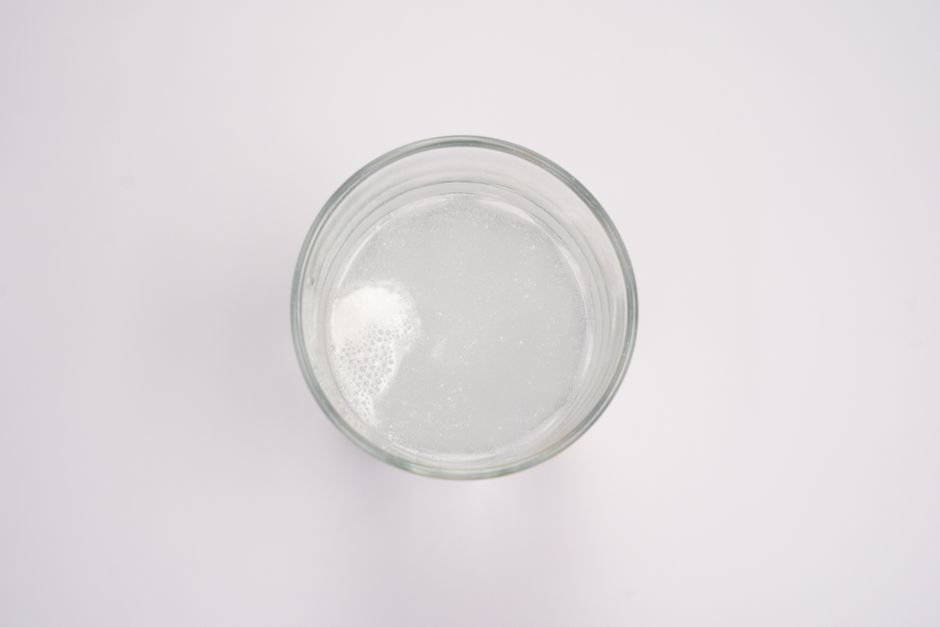
You turn on the tap and the water looks cloudy, almost like weak milk. Tiny bubbles cling to the glass. It is a common sight, and in the vast majority of cases, it is completely harmless. The cloudiness is almost always trapped air. Here is why it happens and when you should actually pay attention.
Why Is My Tap Water Bubbly And Is It Safe
Bubbly or cloudy tap water is usually caused by dissolved air. Water from your local utility contains oxygen, nitrogen, and other gases. When water sits under pressure in underground pipes, these gases stay dissolved and invisible. When you open the faucet, the pressure drops. The gases escape as tiny bubbles, just like when you open a carbonated drink.
This is a physical process, not a chemical one. It does not mean your water is contaminated. The cloudiness usually clears from the bottom of the glass upward within a minute or two as the bubbles rise and pop.
What Causes Air in Water Pipes?
Several normal conditions can increase the amount of air in your pipes. Cold water holds more dissolved gas than warm water. In winter, when the ground temperature drops, you may notice cloudier water coming out of the cold tap. That is simply the water holding more air because it is colder.
Recent work on the municipal water system can also introduce air. When crews repair a main or flush hydrants, air can get trapped in the lines. The air is pushed through your pipes when you open the tap. This usually resolves within a few hours to a day.
Your own plumbing can be the source too. A loose valve or a minor leak in a pipe on your property can let air enter the line. If the cloudiness happens only at one faucet, the problem is likely in that fixture or the pipe feeding it.
How to Tell the Difference Between Air Bubbles and Something Else
There is a simple test you can do at home. Fill a clean glass with cold tap water and set it on the counter. Watch it closely for a few minutes.
If the water clears from the bottom up and becomes completely transparent within about two minutes, it is air. The bubbles rise to the surface and disappear. Your water is safe to drink.
If the water stays cloudy after several minutes, or if a white or gray sediment settles at the bottom of the glass, the cause may be different. Persistent cloudiness can indicate fine mineral particles, often calcium carbonate from hard water. This is not a health hazard, but it can affect taste and leave spots on dishes.
A milky appearance that does not clear at all, or that comes with a strange smell or oily film, warrants a call to your water utility. That combination is unusual and deserves investigation.




When Bubbly Water Is a Sign of a Problem
Air bubbles alone are rarely a reason for concern. But there are exceptions. If your water suddenly becomes bubbly and also has a rotten egg smell, that points to hydrogen sulfide gas. This can come from decaying organic matter in the water source or from a reaction in your water heater. The smell is unpleasant but not typically a health emergency. Still, it is worth reporting to your utility.
Another situation involves water heaters. If you notice air sputtering from your hot water tap, the heater may have a failing anode rod. This rod is designed to prevent corrosion. When it degrades, it can produce hydrogen gas. The gas collects at the top of the tank and comes out as sputtering air when you open the hot faucet. A plumber can inspect and replace the rod.
If you have a private well, bubbly water needs more attention. Well systems can develop air locks or suction line leaks. A cracked well casing can allow surface water and air to enter. If your well water is cloudy and you have not tested it recently, contact a certified well contractor.
Is It Safe to Drink Bubbly Water?
Yes. Air in your water is not a health risk. The bubbles are oxygen and nitrogen — the same gases you breathe. Drinking them is harmless.
The only caveat is that you cannot tell from appearance alone whether the cloudiness is air or something else. If the water clears quickly, drink it normally. If it does not clear, or if there is sediment, have your water tested before assuming it is safe.
Municipal water supplies in the United States are regulated under the Safe Drinking Water Act. Your local utility is required to test regularly and publish annual reports. If you have concerns, request a copy of your system’s Consumer Confidence Report. It will tell you what is in your water and whether any contaminants were detected.
What to Do If Your Water Stays Cloudy
Start with the glass test. Fill a glass and wait two minutes. If the water clears, you are done. No action needed.
If the water remains cloudy, run your cold tap for a few minutes at full pressure. This can flush air from the lines. Then fill another glass and test again. If it clears, the air was trapped from recent work or a temporary condition.
If flushing does not help, check whether the problem affects all faucets or just one. One faucet points to a localized fixture issue. All faucets points to the main supply line or the municipal system.
Contact your water utility. They can tell you if there has been recent maintenance, a main break, or a change in the water source. They can also test your water for you. If they identify a problem, follow their guidance.
If you have a private well, contact a licensed well contractor. They can check the pump, the casing, and the pressure tank. Air in a well system often indicates a mechanical issue that needs repair.
Does Cold Water Have More Bubbles Than Hot Water?
Yes. Cold water can hold more dissolved gas than warm water. This is a basic principle of physics. Gases dissolve more easily in cold liquids. When cold water comes out of your tap and warms to room temperature, the dissolved gases come out of solution and form visible bubbles.
This is why cloudy water is more common in winter and more common from the cold tap. It is also why the cloudiness disappears as the water warms in your glass. The bubbles escape faster as the water temperature rises.
Hot water from your water heater has already been heated, so most dissolved gases have already escaped. If your hot water is bubbly, the cause is more likely mechanical — such as a failing anode rod or a pressure issue in the tank.
Can Bubbly Water Damage Your Plumbing?
Air in the water line generally does not damage your plumbing. The pressure changes that cause bubbles are normal and within the design range of household pipes.
However, persistent air in the lines can cause sputtering at faucets and water hammer — a banging sound when you turn off a tap quickly. These are nuisance issues, not structural threats. A plumber can install an air release valve or a water hammer arrestor to solve them.
There is one scenario where air matters: if your water heater is involved. Air trapped in the tank can cause sputtering and may reduce the heater’s efficiency. If you hear gurgling from the heater or see air from the hot tap regularly, have it inspected.
Frequently Asked Questions
Why does my tap water look milky but clear after a minute?
That is dissolved air escaping as the water pressure drops. It is harmless and clears on its own within a couple of minutes.
Is cloudy tap water safe to bathe in?
Yes. Air bubbles in the water are not a skin or health hazard. If the cloudiness does not clear, test the water before using it for extended bathing.
Why is only my cold water cloudy?
Cold water holds more dissolved gas than hot water, so bubbles are more visible. This is normal and not a cause for concern.
Should I call a plumber for bubbly water?
Only if the cloudiness does not clear, affects only one faucet, or comes with sputtering or banging sounds. Otherwise, it is likely just air.
