
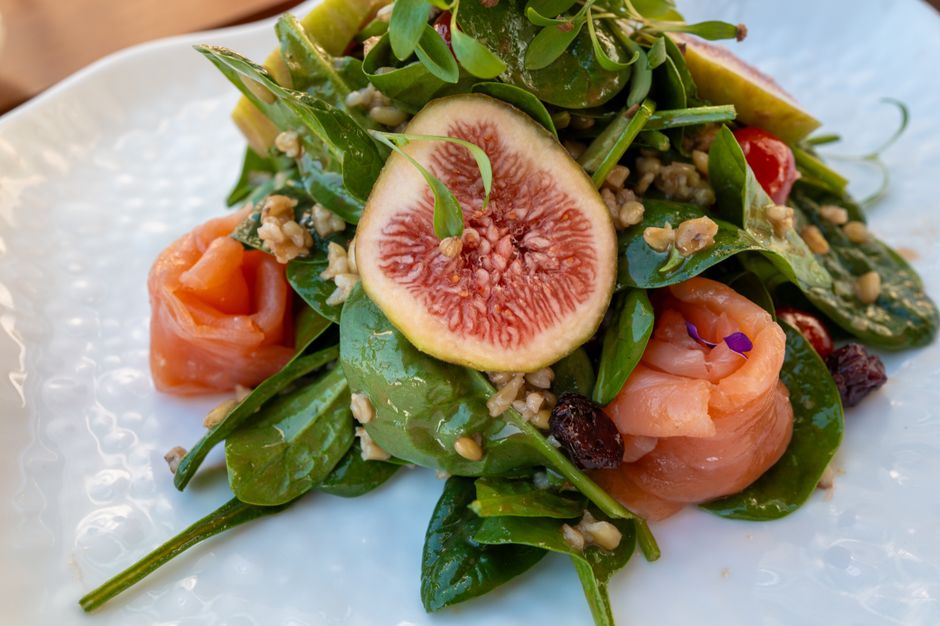
Smoked salmon sits in an unusual spot. It is a fatty fish rich in omega-3 fats and protein, yet it is also a processed, salt-cured product — and some types are smoked in ways that carry real safety concerns. So the honest answer is: it can be a genuinely healthy food, but the type you buy and how often you eat it matter more than most people realize.
Is Smoked Salmon Healthy?
Yes, for most healthy adults, smoked salmon can be a nutritious part of the diet. It delivers high-quality protein, omega-3 fatty acids, vitamin D, and vitamin B12, and it is one of the few foods that provides these nutrients in a convenient, ready-to-eat form.
The catch is the word “processed.” All smoked salmon is cured with salt, and some is also smoked over wood, which introduces compounds that have raised questions in cancer research. The nutritional benefits are real. So are the reasons to keep portions moderate and to know which type you are buying.
For most people, the balance tips toward healthy. For pregnant women, infants, and people with weakened immune systems, the balance shifts, and the type of smoked salmon becomes a safety question rather than just a nutrition question.
What Is the Difference Between Cold-Smoked and Hot-Smoked Salmon?
These two products look similar on a bagel but are made very differently, and the difference matters for both nutrition and food safety.
Cold-smoked salmon is cured with salt and smoked at a low temperature, typically below 85°F (about 30°C). The fish stays essentially raw. It has a silky, delicate texture and is what you usually find sliced thin on bagels and platters. Because it is not cooked, cold-smoked salmon can carry parasites and bacteria if it has not been handled properly.
Hot-smoked salmon is smoked at higher temperatures, which cooks the fish through. It has a flaky, firmer texture more like canned or baked salmon. The cooking step makes it safer from a microbiological standpoint.
Freezing is the key safety step for cold-smoked products. Commercial producers typically freeze the fish first to kill parasites, which is why most store-bought cold-smoked salmon is considered lower risk. Home-smoked or small-batch cold-smoked salmon may not have gone through that step.
What Nutrients Does Smoked Salmon Provide?
Smoked salmon is nutritionally similar to fresh salmon, with a few shifts caused by the curing process. The omega-3 fats and protein survive largely intact. Sodium goes up, sometimes a lot.
Salmon is one of the best dietary sources of the long-chain omega-3 fats EPA and DHA, which are linked to heart and brain health. It also supplies vitamin D, vitamin B12, selenium, and a range of B vitamins.
Here is a rough comparison of what you get from a typical 3-ounce (85-gram) serving. Values vary by brand and species, so treat these as approximate ranges rather than fixed numbers.
| Nutrient | Smoked salmon (3 oz) | Fresh cooked salmon (3 oz) |
|---|---|---|
| Calories | About 100–130 | About 175–200 |
| Protein | About 15–18 g | About 20–25 g |
| Omega-3 fats (EPA + DHA) | About 1–1.5 g | About 1.5–2 g |
| Sodium | Often 500–900 mg or more | Usually under 100 mg |
The sodium difference is the headline. A single 3-ounce serving of smoked salmon can supply a large share of the daily sodium limit recommended for most adults, which is generally cited as under 2,300 mg per day. If you eat smoked salmon daily, sodium adds up fast.





Does Smoked Salmon Have Health Risks?
There are three main concerns with smoked salmon: sodium, smoke-related compounds, and — for certain groups — foodborne illness.
Sodium
Curing requires salt. That salt stays in the fish. For people with high blood pressure, heart failure, or kidney disease, a food that can deliver several hundred milligrams of sodium per small serving is worth tracking. This is not a reason to avoid smoked salmon entirely, but it is a reason to treat it as a condiment or a topping rather than a main protein.
Smoke and cancer risk
Wood smoking produces compounds called polycyclic aromatic hydrocarbons (PAHs), some of which are known carcinogens in high doses. The evidence linking smoked foods to cancer in humans comes largely from populations that eat a lot of smoked and cured meat over decades. Whether occasional smoked salmon meaningfully raises cancer risk is not well established. The honest position is that the concern is real but the risk from typical consumption is not clearly quantified.
Listeria and parasites
Cold-smoked salmon is a known vehicle for Listeria, a bacterium that is rare in healthy people but dangerous in pregnancy, newborns, older adults, and anyone with a weakened immune system. Health agencies in the US and Europe have repeatedly linked listeria outbreaks to cold-smoked fish. This is why pregnant women are generally advised to avoid cold-smoked and other ready-to-eat refrigerated fish unless it has been cooked or reheated to steaming.
Hot-smoked salmon does not carry the same listeria concern because it has been cooked.
Is Smoked Salmon Safe During Pregnancy?
Cold-smoked salmon is generally not recommended during pregnancy. The main reason is listeria, not the fish itself. Pregnancy weakens part of the immune response, which makes listeria infection more likely and far more dangerous to the fetus.
If you are pregnant and want smoked salmon, hot-smoked salmon that has been cooked through is the safer choice. Some guidance also allows cold-smoked salmon if it is heated until steaming hot first, which kills listeria. Cold-smoked salmon straight from the package is the version to avoid.
This is one area where the standard advice is clear and consistent. When in doubt, ask your obstetric provider, since individual guidance can vary.
How Does Smoked Salmon Compare to Other Fish?
Smoked salmon is nutritionally strong. Compared with most other fish, it ranks high for omega-3 content and is convenient because it needs no cooking.
Where it loses ground is sodium and, in the cold-smoked form, safety for certain groups. Fresh or frozen salmon gives you the same omega-3s with far less sodium and no listeria concern. Canned salmon is another low-sodium, low-cost option, though you should check labels because some brands add salt.
If your goal is omega-3 intake with minimal downsides, fresh, frozen, or canned salmon is the more straightforward choice. Smoked salmon is best thought of as a flavorful addition rather than a daily staple.
How Much Smoked Salmon Is Reasonable to Eat?
There is no official recommended serving size for smoked salmon specifically. General dietary guidance encourages eating fish, including fatty fish like salmon, a few times per week, while limiting sodium and processed meats.
A practical approach for most healthy adults is to enjoy smoked salmon occasionally — as a topping, in a salad, or on a bagel — rather than as a daily protein source. That keeps the omega-3 benefits while keeping sodium in check.
People watching their blood pressure or managing heart or kidney conditions should be more careful, because the sodium load is the main issue. People who are pregnant, very young, older, or immunocompromised should avoid cold-smoked salmon and choose hot-smoked or freshly cooked fish instead.
Does Smoked Salmon Lose Nutrients Compared to Fresh?
No meaningful loss of omega-3 fats or protein occurs during smoking. Those nutrients are stable through the curing and smoking process.
What changes is water content, which concentrates some nutrients and the sodium, and the addition of smoke compounds. Vitamin content is broadly similar to fresh salmon. The nutritional core of the fish — the fats and protein that make salmon valuable — survives intact.
So the question is not whether smoked salmon is nutritious. It is. The question is whether the sodium and, for some people, the listeria risk are worth it. For most healthy adults eating it occasionally, they are.
Frequently Asked Questions
Is smoked salmon as healthy as fresh salmon?
It is close in omega-3 fats and protein, but smoked salmon has far more sodium and, in the cold-smoked form, a listeria risk that fresh salmon does not. For most healthy adults, fresh salmon is the lower-risk everyday choice.
Can you eat smoked salmon every day?
You can, but daily smoked salmon can push your sodium intake high, since a small serving may contain several hundred milligrams. Occasional use is a more sensible pattern for most people.
Is cold-smoked salmon safe during pregnancy?
Cold-smoked salmon is generally not recommended during pregnancy because of listeria risk. Hot-smoked salmon that has been cooked through is the safer option.
Is smoked salmon high in sodium?
Yes, curing requires salt, so smoked salmon is a high-sodium food compared with fresh fish. A 3-ounce serving often contains 500 to 900 milligrams or more.
