
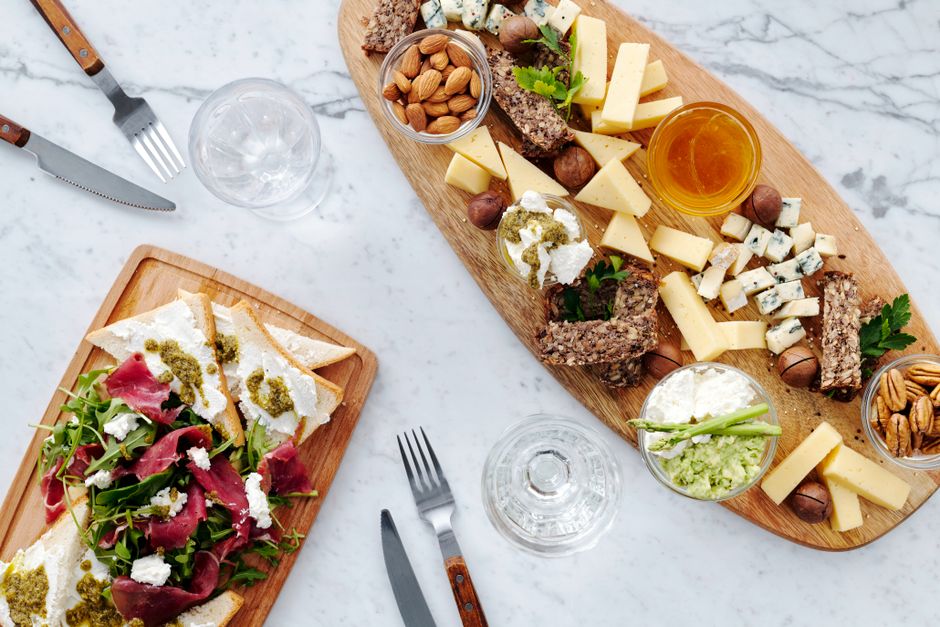
Ricotta cheese is a healthy choice compared to many other cheeses. It is naturally lower in fat and sodium than aged cheeses like cheddar or Parmesan. At the same time, it provides high-quality protein, calcium, and essential vitamins. That said, not all ricotta is created equal, and it is still a dairy product with calories and saturated fat. This article breaks down the evidence so you can decide for yourself.
What Is Ricotta Cheese?
Ricotta is a fresh cheese made from whey, the liquid left over after cheese production. In traditional methods, the whey is heated again, causing remaining proteins to curdle. Those curds are then drained and the result is a soft, creamy cheese. Modern ricotta is sometimes made from whole milk or a mix of milk and whey. Because it is not aged, ricotta retains more moisture and a milder flavor than hard cheeses.
Ricotta Cheese Nutrition Facts
Whole milk ricotta provides about 215 calories per half‑cup serving (124 grams). The same serving contains roughly 16 grams of fat, 14 grams of protein, and 8 grams of carbohydrates. Nearly all the carbohydrate comes from lactose, a natural milk sugar. Ricotta also delivers around 270 milligrams of calcium — roughly one‑quarter of the daily recommendation for adults. Part‑skim ricotta has fewer calories and less fat, but also slightly less protein and calcium. These values are based on USDA nutrient data.
Ricotta stands out for its high protein content. In a half‑cup you get about as much protein as two large eggs. That protein is mostly whey and casein, both of which are complete proteins that contain all essential amino acids. Whey protein in particular is quickly absorbed by the body and may help with muscle repair after exercise.
How Does Ricotta Compare to Other Cheeses?
Compared to many cheeses, ricotta is a lighter option. The table below shows approximate nutrition for a standard 100‑gram serving of each cheese. Values are from USDA data.
| Cheese (100g) | Calories | Fat (g) | Protein (g) | Sodium (mg) |
|---|---|---|---|---|
| Whole milk ricotta | 174 | 13 | 11 | 110 |
| Cottage cheese (1% fat) | 72 | 1 | 12 | 320 |
| Mozzarella (part skim) | 254 | 16 | 24 | 620 |
| Cheddar | 403 | 33 | 25 | 620 |
| Cream cheese | 342 | 34 | 6 | 340 |
Ricotta is lower in calories and fat than most aged cheeses. It also contains less sodium than cottage cheese, mozzarella, and many other fresh cheeses. However, it has less protein per gram than mozzarella or cottage cheese. For someone watching fat or sodium intake, ricotta can be a reasonable choice, but it is not the lowest‑calorie option available.




What Are the Health Benefits of Ricotta?
The main health benefits of ricotta come from its protein, calcium, and whey content.
- High‑quality protein supports muscle maintenance, especially as you age. The whey protein in ricotta also contains leucine, an amino acid that triggers muscle building.
- Calcium and phosphorus in ricotta help maintain bone density. A half‑cup provides over a quarter of the daily calcium needs for most adults.
- Vitamin B12 and riboflavin are also present, supporting energy metabolism and nerve health.
- Lower sodium than many cheeses makes ricotta a better option for people managing blood pressure. One half‑cup contains about 110–130 milligrams of sodium — much less than the 300–600 mg found in a similar serving of aged cheeses.
Some research suggests that dairy products, especially those with whey protein, may have a small positive effect on blood pressure and insulin sensitivity. The evidence is not strong enough to claim ricotta prevents any disease, but it fits into a heart‑healthy diet when eaten in reasonable portions.
Is Ricotta Good for Weight Loss?
Ricotta can be helpful for weight loss because of its protein and relatively low calorie density. Protein increases satiety, meaning you feel fuller for longer after eating it. Using ricotta in place of higher‑calorie cheeses or spreads can reduce total calorie intake without sacrificing taste or texture.
However, ricotta is not a low‑calorie food. A half‑cup of whole milk ricotta has over 200 calories. If you eat large portions or pair it with calorie‑dense foods like pasta or bread, weight loss may not follow. Part‑skim ricotta typically has about 160 calories per half‑cup and still provides similar protein. Choosing part‑skim and measuring your serving size makes ricotta more weight‑loss friendly.
Are There Downsides to Eating Ricotta?
Yes, a few.
Lactose content. Ricotta contains about 5–6 grams of lactose per 100 grams. That is less than milk (about 4.7g per 100g) but more than aged cheeses like cheddar (near zero). Many people with lactose intolerance can tolerate small amounts of ricotta because the whey protein and fat slow digestion. But if you are highly sensitive, you may experience bloating or discomfort.
Saturated fat. Whole milk ricotta has about 8 grams of saturated fat per half‑cup — roughly 40% of the daily limit recommended for a 2,000‑calorie diet. The Dietary Guidelines for Americans advise limiting saturated fat to less than 10% of daily calories. Part‑skim ricotta cuts that to about 5 grams per serving.
Sodium content. Although lower than many cheeses, a half‑cup still contains around 110–130 mg of sodium. If you are on a strict low‑sodium diet, that may still be significant. Some brands add extra salt, so check labels.
Minimal fiber or micronutrients beyond calcium and B vitamins. Ricotta is not a source of iron or vitamin D unless fortified.
How to Choose the Healthiest Ricotta
Not all ricotta is the same. Here are things to look for.
- Whole milk vs. part‑skim. Part‑skim saves about 50–60 calories and 6–8 grams of fat per half‑cup. The protein and calcium remain similar. If you are watching calories or saturated fat, choose part‑skim.
- Low sodium versions are available in many stores. They typically have around 60 mg sodium per half‑cup. That can help if you have high blood pressure or kidney concerns.
- Minimal ingredients. Traditional ricotta is made from milk, whey, vinegar or citric acid, and salt. Many commercial products add gums, starches, or preservatives to improve texture and shelf life. These are generally safe, but if you prefer a more natural product, look for shorter ingredient lists.
- Pasteurization. Nearly all ricotta sold in the US is pasteurized. Unpasteurized (raw) ricotta is rare and carries a higher risk of foodborne illness, especially for pregnant women and older adults. If you are not sure, check the label or ask the manufacturer.
Is Ricotta Cheese Healthy? The Bottom Line
Yes, ricotta is a healthy cheese option for most people. It delivers high‑quality protein, calcium, and less fat and sodium than many other cheeses. It can fit into a weight‑loss diet, a heart‑healthy diet, or a general balanced diet as long as portions are controlled. Choose part‑skim or low‑sodium versions if you need to limit calories, fat, or salt. If you have lactose intolerance, start with a small amount and see how you feel. Ricotta is not a miracle food, but it is a nutritious and versatile ingredient that most people can include without concern.
Frequently Asked Questions
Is ricotta healthier than cottage cheese?
It depends on your goals. Ricotta has more calcium and less sodium than cottage cheese. Cottage cheese has more protein and fewer calories per serving. Both are healthy, but cottage cheese wins for weight loss, while ricotta wins for bone health.
Is ricotta cheese good for diabetics?
Yes, in moderation. Ricotta has very little carbohydrate (about 7 grams per half‑cup, mostly lactose) and a decent amount of protein, which helps slow blood sugar spikes. Pair it with vegetables or whole grains rather than sugary fruit or pasta.
Can I eat ricotta cheese every day?
You can, but watch your serving size. A quarter‑cup (about 2 ounces) daily is fine for most people. Whole milk ricotta has saturated fat, so daily large portions could exceed recommendations. Part‑skim is safer for daily use.
Does ricotta cheese need to be cooked?
No. Ricotta is a fresh cheese and is safe to eat cold straight from the container, as long as it is pasteurized. Heating it is common in lasagna and baked dishes, but not required.
