
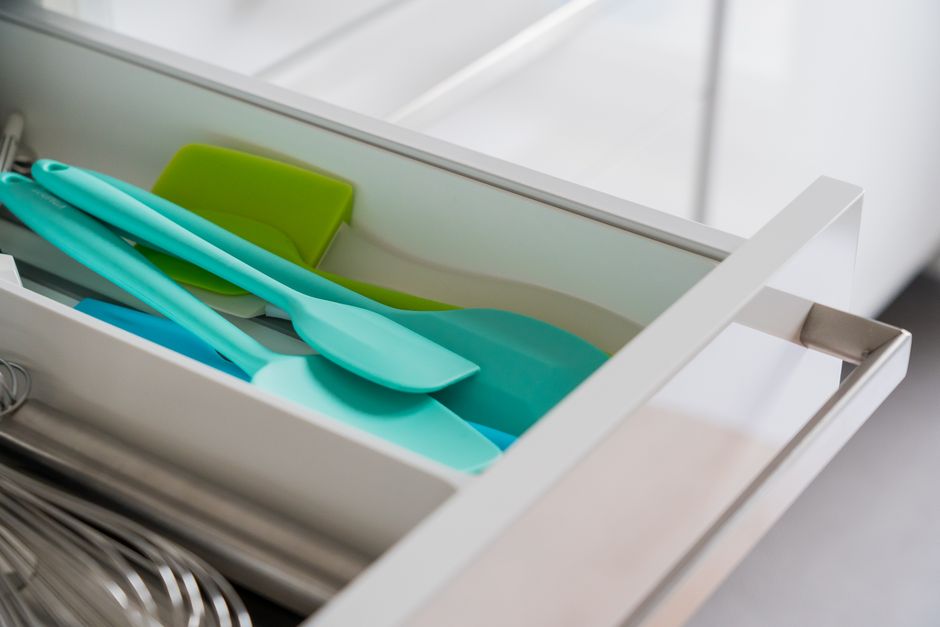
Silicone bakeware and kitchen tools are everywhere now. You see silicone spatulas, muffin trays, and oven mitts in almost every kitchen store. The question of whether silicone is safe for cooking has a straightforward answer based on the evidence available. Food-grade silicone is generally considered safe for cooking and baking. It does not react with food or beverages, and it can withstand high temperatures without breaking down. However, the safety of the specific product you buy depends heavily on its quality and how you use it.
What Exactly Is Food-Grade Silicone?
Silicone is a synthetic material made from silicon, oxygen, carbon, and hydrogen. Silicon is a natural element found in sand and rock. The manufacturing process turns this into a rubber-like, flexible material that can withstand heat.
Food-grade silicone is a specific type of silicone that is manufactured without fillers or additives that could be harmful. The FDA has approved certain types of silicone for food contact. This means it is safe to use for baking mats, spatulas, and ice cube trays. The key is to look for products that are explicitly labeled as food-grade silicone. Not all silicone products on the market meet this standard.
Cheap silicone products may contain fillers. Manufacturers sometimes add fillers to reduce cost or change the texture. These fillers are not always food-safe. A simple test at home is to twist or pinch the silicone. Pure food-grade silicone should remain white or return to its original color. If it turns white or changes color, it likely contains fillers.
Is Silicone Safe For Cooking at High Temperatures?
Most food-grade silicone products are rated for temperatures up to 428°F (220°C) or 500°F (260°C). This covers most home baking and cooking needs. Standard ovens rarely exceed these temperatures unless you are using a self-cleaning cycle or broiling.
The safety concern with high heat is chemical leaching. Research consistently shows that food-grade silicone does not leach harmful chemicals into food during normal baking or cooking. Studies have tested silicone bakeware for the release of siloxanes, which are compounds used to make silicone. Some studies indicate that small amounts of siloxanes can migrate into food, especially fatty foods cooked at high temperatures. The amounts found are well below safety limits established by regulatory agencies.
You should still avoid using silicone above its rated temperature. If a product is rated for 428°F, do not use it under a broiler. Broilers can easily exceed 500°F. High heat can degrade the silicone over time, causing it to become brittle or discolored. Once silicone shows signs of damage, it is time to replace it.
Does Silicone Leach Chemicals Into Food?
This is the most common concern people have. The short answer is that the evidence does not support the idea that food-grade silicone is dangerous. Silicone is chemically inert. This means it does not react with food, acids, or water. It will not break down into smaller particles during normal use.
Unlike some plastics, silicone does not contain bisphenol A (BPA) or phthalates. These are chemicals often found in plastics that can mimic hormones in the body. Silicone is free of these compounds by design.
Some research suggests that siloxane migration can occur. Siloxanes are used in the production of silicone. Testing has found trace amounts of these compounds in food after cooking with silicone. The levels found in these studies are extremely low. Regulatory agencies like the FDA and the European Food Safety Authority have not set specific limits for siloxane migration from silicone because the amounts are considered negligible. The evidence currently does not show any health risk from these trace levels.





How Does Silicone Compare to Plastic and Metal?
Compared to plastic, silicone is generally a safer option for cooking. Plastic can leach chemicals like BPA and phthalates, especially when heated. Silicone does not contain these chemicals. It also handles higher temperatures than most food-safe plastics, which typically soften or warp around 200°F to 250°F.
Metal bakeware is also safe and has been used for decades. Metal heats more evenly and can withstand much higher temperatures. However, metal can react with acidic foods like tomatoes or citrus. This reaction can cause a metallic taste in food. Silicone does not have this issue. It is completely non-reactive.
Silicone’s main downside is performance. It is a poor conductor of heat. Baked goods in silicone pans often take longer to cook and may brown less evenly. Many bakers find that cookies spread more on silicone baking mats than on parchment paper. The flexibility of silicone can also be a problem. Moving a full cake pan from the counter to the oven can be tricky because the pan bends.
What About Silicone Baby Products and Utensils?
Silicone is widely used in baby products like pacifiers, teething rings, and feeding spoons. The safety profile for these products is the same as for cookware. Food-grade silicone is considered safe for infants and children. It is free of BPA, phthalates, and latex, which are common allergens and irritants.
For general kitchen use, silicone utensils are a good choice. They do not scratch non-stick pans like metal utensils can. They are heat-resistant, so they will not melt if left on a hot pan. They are also easy to clean and do not absorb odors or flavors.
One consideration is that silicone can absorb certain compounds from food. This is most noticeable with strong-smelling foods like garlic or fish. The odor can linger on the utensil. This is a cosmetic issue, not a safety issue. Washing with hot soapy water usually removes the smell.
How to Choose Safe Silicone Products
Not all silicone is created equal. The label matters. Look for products that say “100% food-grade silicone” or “FDA-approved silicone.” This label means the manufacturer has produced the product without fillers.
Here are some practical points to check before buying:
- Check the label — Look for explicit food-grade labeling. If the package does not say it, do not assume it is safe for cooking.
- Do the twist test — Pinch and twist the silicone. Pure silicone stays the same color. If it turns white, it has fillers.
- Smell it — High-quality silicone has little to no odor. A strong chemical or rubber smell is a red flag.
- Check the temperature rating — Ensure the product is rated for the heat you plan to use. Most are rated to 428°F or higher.
- Buy from reputable brands — Established kitchen brands have stricter quality control than generic unbranded products.
Even with high-quality silicone, you should replace items that show signs of wear. Cracks, tears, or a sticky surface mean the material is breaking down. Damaged silicone should not be used for cooking.
Is Old or Damaged Silicone Still Safe?
No. Once silicone is damaged, its safety is compromised. Cracks and tears can harbor bacteria. The breakdown of the material can also release particles into food. If you notice any damage, throw it out.
Silicone does not last forever. With regular use, it will eventually wear out. Most manufacturers suggest replacing silicone bakeware every few years, but this depends on how often you use it. If it looks worn, replace it.
Also, avoid using silicone under a broiler or on a direct flame. The intense heat can exceed the material’s rating and cause it to degrade quickly. Silicone is not designed for open flames.
Frequently Asked Questions
Is silicone bakeware safe for baking cakes?
Yes, food-grade silicone bakeware is safe for baking. It does not leach harmful chemicals into food at normal baking temperatures.
Can silicone go in the dishwasher?
Most food-grade silicone is dishwasher safe. Check the product label, as high heat cycles can wear down cheaper silicone faster.
Does silicone contain BPA?
No, silicone does not contain BPA or phthalates. These chemicals are not used in the production of food-grade silicone.
Is it safe to use silicone molds in the microwave?
Yes, food-grade silicone is generally safe for microwave use. It does not absorb microwave energy and will not melt under normal conditions.
