
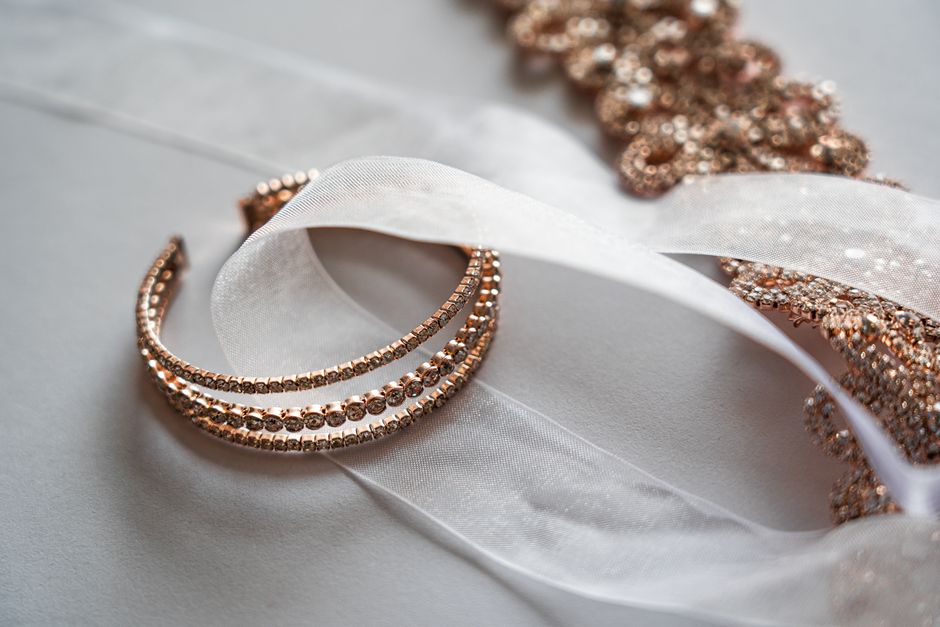
Rose gold is not automatically hypoallergenic because it is an alloy, meaning it is a mixture of metals. Most rose gold jewelry contains copper, and copper is a common trigger for allergic contact dermatitis in some people. Whether a specific piece of rose gold causes a reaction depends on the exact metals used, the purity of those metals, and your individual skin sensitivity.
What Is Rose Gold Made Of?
Rose gold gets its pink color from copper. Pure gold is yellow and too soft for most everyday jewelry, so jewelers mix it with other metals to make it stronger.
Standard rose gold is typically about 75% gold and 25% copper. This mix is called 18-karat rose gold. A more affordable version, 14-karat rose gold, contains about 58% gold and a higher percentage of copper. In both cases, copper is the main alloying metal.
The copper gives the metal its warm, pinkish tone. The more copper in the mix, the deeper and redder the color becomes.
Why Copper Can Cause Skin Reactions
Copper allergy is real, though it is less common than nickel allergy. When copper sits on the skin, sweat can dissolve tiny amounts of the metal. These metal ions can then penetrate the outer layer of skin.
In people who are sensitive to copper, this triggers an immune response. The body treats the copper ions as a threat and sends inflammatory cells to the area. The result is contact dermatitis, which is a red, itchy, sometimes blistering rash.
Research shows that copper allergy affects a small percentage of the population. Some dermatology studies suggest it is underdiagnosed because people often assume their rash is caused by nickel. If you have a known nickel allergy, you should still test rose gold carefully, because some lower-quality rose gold is made with nickel instead of copper to reduce cost.
Is Rose Gold Hypoallergenic for Most People?
The word “hypoallergenic” has no legal or medical definition. It simply means a product is less likely to cause an allergic reaction. No jewelry metal is truly hypoallergenic for every single person.
For the majority of people, 14-karat or 18-karat rose gold will not cause a reaction. These alloys have a high gold content, and the copper is bound within the metal structure. Most people can wear rose gold daily without any skin issues.
However, if you already know you are sensitive to copper, rose gold is likely to be a problem for you. Copper is not optional in rose gold — it is what creates the color. There is no rose gold without copper, unless you choose a plated alternative.





How to Tell If Your Rash Is From Copper
A copper allergy rash looks similar to other metal allergies. It usually appears where the jewelry touches the skin. Common spots include earlobes, fingers, wrists, and the neck.
Symptoms typically start within 12 to 48 hours of wearing the piece. The skin may become:
- Red and inflamed
- Itchy or burning
- Dry, flaky, or scaly
- Blisters in severe cases
If you develop a rash, remove the jewelry immediately. Wash the area gently with mild soap and water. Over-the-counter hydrocortisone cream can help reduce itching for mild reactions.
If the rash does not improve within a few days, or if it spreads, see a dermatologist. A patch test can confirm whether copper is the trigger. Patch testing is the only reliable way to diagnose a metal allergy.
Rose Gold vs. Other Gold Colors for Sensitive Skin
Yellow gold is the most straightforward option for people with metal sensitivities. High-karat yellow gold, such as 18-karat or 22-karat, contains fewer alloying metals. The higher the gold content, the lower the risk of a reaction.
White gold is a different story. White gold is usually alloyed with nickel or palladium. Nickel is the most common metal allergen in the world. If you have sensitive skin, white gold with nickel can cause problems. Palladium white gold is a better choice but costs more.
Rose gold sits in the middle. It is less risky than nickel-containing white gold but more risky than high-purity yellow gold for people with copper sensitivity.
| Metal Type | Main Alloying Metal | Allergy Risk |
|---|---|---|
| 24K Yellow Gold | None | Very low |
| 18K Yellow Gold | Silver, copper | Low |
| 14K Rose Gold | Copper (higher %) | Moderate for copper-sensitive people |
| 18K Rose Gold | Copper (lower %) | Lower than 14K rose gold |
| White Gold (nickel) | Nickel | Higher for nickel-sensitive people |
What About Cheap Rose Gold Jewelry?
Inexpensive rose gold jewelry is often not solid rose gold at all. Many affordable pieces are made from a base metal like brass or copper, then plated with a thin layer of rose gold.
The plating can wear off quickly, especially on rings or bracelets that rub against surfaces. Once the plating wears away, your skin comes into direct contact with the base metal. If that base metal contains nickel — which is common in cheap costume jewelry — you may develop a reaction even if you are not sensitive to copper.
If you want to minimize allergy risk, look for jewelry labeled “solid rose gold” rather than “rose gold plated” or “rose gold filled.” Solid rose gold is more expensive, but the metals are consistent throughout the piece.
Can You Wear Rose Gold If You Have a Copper Allergy?
If you have a confirmed copper allergy, solid rose gold is not a safe choice. The copper content is too high to avoid.
Some people with mild copper sensitivity can wear rose gold for short periods without a reaction. This is not a reliable strategy. Sweat, heat, and the length of time the metal touches your skin all affect whether a reaction occurs.
Your alternatives include:
- High-karat yellow gold (18K or higher)
- Platinum
- Niobium or titanium jewelry
- Medical-grade stainless steel (if you are not sensitive to nickel)
These metals have a much lower risk of triggering allergic contact dermatitis. They are not guaranteed to be reaction-free for everyone, but they are the safest bets for sensitive skin.
Is Rose Gold Hypoallergenic Copper Allergy Facts: The Bottom Line
Rose gold is not hypoallergenic in any absolute sense. It contains copper, and copper can cause allergic reactions in susceptible people. For most people, though, high-karat rose gold is safe to wear daily.
If you have never had a metal allergy before, rose gold is probably fine for you. Start by wearing a piece for a few hours at a time and watch for any redness or itching.
If you have a history of metal allergies, ask a dermatologist for a patch test before investing in rose gold jewelry. Knowing your specific sensitivities is the only way to make a fully informed choice.
The most important takeaway: “hypoallergenic” is not a guarantee. Your skin is the only real test.
Frequently Asked Questions
Can rose gold cause an allergic reaction?
Yes, rose gold can cause an allergic reaction because it contains copper, which is a known allergen for some people. The risk is higher for those with a pre-existing copper sensitivity.
Is 18K rose gold better for sensitive skin than 14K?
Yes, 18K rose gold has a higher gold content and less copper than 14K rose gold. This means a lower concentration of copper touches your skin, which reduces the chance of a reaction for sensitive individuals.
How do I know if I am allergic to copper in jewelry?
The only reliable way is a patch test performed by a dermatologist. If you develop a red, itchy rash where rose gold touches your skin, copper allergy is a possible cause.
What is the best gold for people with metal allergies?
High-karat yellow gold, such as 18K or 22K, is the best choice because it contains the fewest alloying metals. Platinum is also an excellent option for people with confirmed metal sensitivities.
