
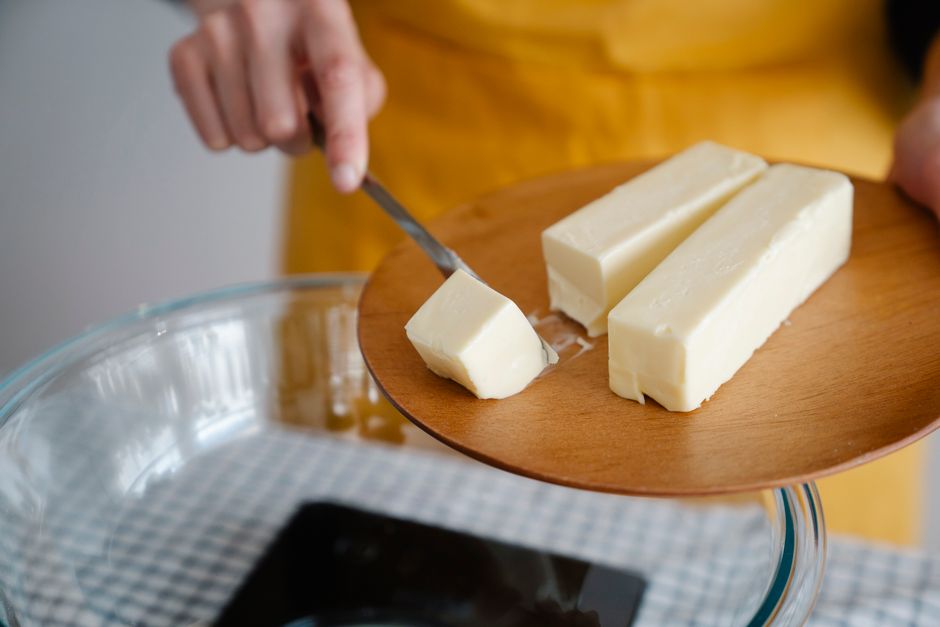
If you have a dairy allergy, you should not eat butter. Butter is made from cow’s milk and contains milk proteins, which trigger allergic reactions. While butter is mostly fat, it still holds enough of the proteins casein and whey to cause symptoms in people with a true milk allergy. The only way to know if butter is safe for you is to get a clear diagnosis from an allergist, because reactions vary from person to person.
What Is a Dairy Allergy?
A dairy allergy is an immune system response to proteins found in cow’s milk. The two main culprits are casein and whey. When someone with this allergy eats dairy, their body mistakes these proteins for a threat and releases histamine and other chemicals to fight them off.
This is different from lactose intolerance. Lactose intolerance is a digestive issue, not an immune reaction. People with lactose intolerance lack enough of the enzyme lactase to break down milk sugar. They may feel bloated or gassy, but they are not having an allergic response. Butter is very low in lactose, so many people with lactose intolerance can eat it without problems. That is not the case for people with a true dairy allergy.
Why Is Butter a Problem for a Dairy Allergy?
Butter is made by churning cream until the fat separates from the liquid. You might think this removes the proteins, but it does not remove all of them. Both casein and whey remain in butter, even in small amounts.
For some people with a dairy allergy, even tiny traces of milk protein can trigger a reaction. The amount in butter is small, but it is not zero. Some individuals can tolerate small amounts of baked milk products but still react to butter. Others react to even the smallest exposure. There is no reliable way to predict which group you fall into without medical testing.
Clarified butter, also called ghee, is a different story. Ghee is simmered longer and strained to remove milk solids. This process removes most, but not all, of the milk proteins. Some allergists say ghee may be safe for certain people with milk allergies, but there is no guarantee. No clinical guidelines recommend ghee for everyone with a dairy allergy. If you are considering ghee, talk to your allergist first.
What Are the Symptoms of a Dairy Allergy Reaction?
Symptoms can appear within minutes or up to two hours after eating butter. They range from mild to severe.
- Hives or a red rash
- Swelling of the lips, tongue, or throat
- Itching or tingling in the mouth
- Stomach pain, nausea, or vomiting
- Diarrhea
- Coughing or wheezing
- Runny nose or sneezing
The most serious reaction is anaphylaxis. This is a medical emergency. Symptoms include trouble breathing, a drop in blood pressure, dizziness, and loss of consciousness. Anaphylaxis requires immediate treatment with epinephrine and a call to emergency services.
Mild reactions can happen one time, and a severe reaction the next time. You cannot assume a mild reaction means future reactions will also be mild. This unpredictability is why allergists advise people with confirmed milk allergies to avoid butter completely.





How Do You Know If You Have a Dairy Allergy?
If you suspect a dairy allergy, do not try to figure it out on your own. See a board-certified allergist. They can perform skin prick tests or blood tests to check for immunoglobulin E antibodies to milk proteins.
An oral food challenge is the most definitive test. This is done in a medical setting where you eat increasing amounts of dairy under supervision. It is never something to try at home, because severe reactions can occur quickly.
Some people self-diagnose a dairy allergy when they actually have lactose intolerance or another condition. This matters because the treatments are different. Eliminating all dairy when you only have lactose intolerance is unnecessarily restrictive. Getting an accurate diagnosis helps you manage your diet correctly.
What Can You Use Instead of Butter?
If you have a confirmed dairy allergy, you need butter substitutes that do not contain milk proteins. Many options exist, but you have to read labels carefully.
Plant-based butters are widely available. Look for products made from coconut oil, olive oil, avocado oil, or a blend of plant oils. Check the ingredient list for milk, casein, whey, or lactose. Some vegan butter brands are produced in facilities that also process milk, so look for allergy-friendly labeling if cross-contamination is a concern.
Other substitutes work well depending on how you plan to use them:
- Coconut oil for baking and sautéing
- Olive oil for roasting vegetables
- Avocado for spreading on toast
- Applesauce in certain baked goods to add moisture
When baking, you may need to adjust quantities. Dairy-free butter substitutes often behave differently than real butter in recipes. Expect some trial and error. The texture and flavor may not be identical, but most people find acceptable results with a little practice.
How to Read Food Labels for Hidden Dairy
Butter is obvious, but dairy hides in many processed foods. You need to know the terms that indicate milk proteins are present.
The FDA requires food manufacturers to clearly label milk as an allergen. Look for the word “milk” in the ingredient list or in a separate “Contains” statement. This makes label reading easier than it used to be.
However, some ingredients do not have the word “milk” in their name. Watch for these terms:
- Casein or caseinate
- Whey
- Lactose
- Lactalbumin
- Rennet casein
- Milk protein isolate
Some foods labeled “non-dairy” still contain casein. The term “non-dairy” is a regulated claim that means the product contains less than 0.5 percent milk by weight, but that is not zero. For someone with a severe allergy, this can still be dangerous. Always read the full ingredient list rather than relying on front-of-package claims.
Can Cooking or Baking Destroy Milk Proteins?
No. Heat does not destroy milk proteins in a way that makes them safe for allergic people. The proteins may change shape when heated, but the immune system can still recognize them and mount a response.
Some people with milk allergies can tolerate extensively heated milk, like milk baked into muffins or cakes. This is not universal. It depends on the individual’s sensitivity level. An allergist can test whether you tolerate baked milk products. This is not something to experiment with on your own.
Even if you tolerate baked milk, that does not mean butter is safe. Butter is not subjected to the same prolonged high heat as baked goods. The protein structure remains intact enough to cause reactions in sensitive individuals.
What About Eating Out?
Restaurant food is a common source of accidental dairy exposure. Butter is used to cook eggs, grill sandwiches, and finish steaks. Many chefs brush bread with butter before toasting. You cannot assume a dish is dairy-free just because it does not list butter as a main ingredient.
Tell your server clearly that you have a milk allergy. Ask them to confirm with the kitchen that no butter or milk products will be used in your meal. Ask about cross-contamination. A grill that cooks buttered bread alongside your food can transfer enough protein to cause a reaction.
When in doubt, choose restaurants that clearly label allergens or have protocols for allergy requests. Ethnic restaurants may be helpful, but not always. Some cuisines use ghee or butter in dishes you would not expect. Always ask specific questions.
When to See a Doctor
If you have had a reaction after eating butter, see an allergist. Even if the reaction was mild, you need a proper evaluation. A confirmed diagnosis changes how you approach food for the rest of your life.
If you have been diagnosed with a milk allergy and have had a severe reaction, your doctor may prescribe an epinephrine auto-injector. Carry it with you at all times. Know how to use it. Make sure family members and close friends also know how to use it.
If you are unsure whether your symptoms are from a dairy allergy or something else, do not guess. Get tested. Self-imposed dietary restrictions based on guesswork can lead to nutritional gaps and unnecessary stress. A clear diagnosis removes the guesswork.
Frequently Asked Questions
Can I eat ghee if I have a dairy allergy?
Ghee has most milk solids removed, but trace proteins may remain. Some people with milk allergies tolerate it, but no clinical guideline recommends it for everyone.
Is lactose-free butter safe for a dairy allergy?
No. Lactose-free butter still contains milk proteins, which trigger allergic reactions. Lactose-free only addresses milk sugar, not protein.
Can a dairy allergy develop later in life?
Yes. Milk allergy can appear at any age, although it is more common in children. Adults can develop it suddenly even if they have eaten dairy for years.
How much butter causes a reaction?
There is no safe amount for someone with a confirmed milk allergy. Reactions depend on individual sensitivity, and even trace amounts can trigger symptoms in severe cases.
