
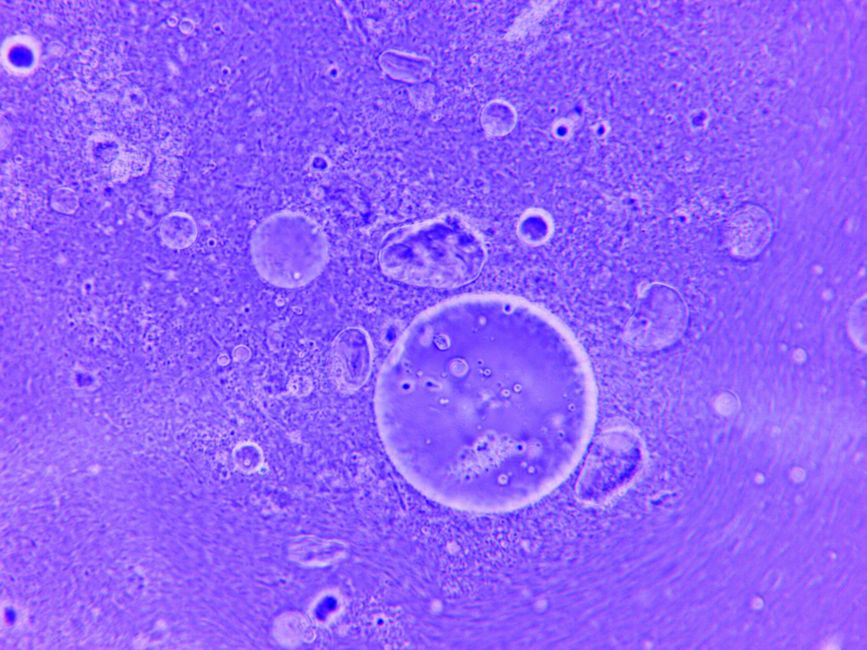
Your body runs on sugar, specifically glucose. Every cell needs it for energy. But too much or too little glucose is dangerous. That is where pancreatic islet cells come in. These tiny clusters of cells in your pancreas act as the body’s glucose control system. They sense blood sugar levels constantly and release hormones to keep them in a tight, healthy range. Think of them as a thermostat for your blood sugar, turning up insulin when levels rise and turning down glucagon when they fall.
What Exactly Are Pancreatic Islet Cells and Where Are They?
Pancreatic islet cells are not scattered randomly. They are grouped in small clusters called islets of Langerhans throughout the pancreas. The pancreas itself sits behind your stomach. Most of the pancreas makes digestive enzymes. Only about 1 to 2 percent of it is made up of these islets. But that small percentage does a huge job.
Each islet contains several types of cells. The main ones are beta cells and alpha cells. Beta cells make insulin. Alpha cells make glucagon. These two hormones work against each other to keep blood sugar stable. There are also delta cells that make somatostatin, which helps control the other cells. But beta and alpha cells do the heavy lifting for blood sugar regulation.
Studies have found that a healthy adult has about 1 million islets. They are highly vascular, meaning they have a rich blood supply. This allows them to sense glucose levels in the blood quickly and release hormones just as fast. The location and structure of islets are not random. They are designed for speed and precision.
How Do Beta Cells Release Insulin When Blood Sugar Rises?
When you eat a meal, carbohydrates break down into glucose. That glucose enters your bloodstream. Your blood sugar rises. Beta cells in the islets detect this rise within minutes.
Here is how it works at the cellular level. Glucose enters the beta cell through special transporter proteins. Once inside, the glucose is broken down to produce energy. This energy causes the cell to make more ATP, a molecule that stores energy. The increase in ATP closes potassium channels in the cell membrane. This changes the electrical charge inside the cell. Calcium channels then open, and calcium rushes in.
The calcium influx triggers tiny sacs inside the beta cell to move toward the membrane and release insulin. This process is called exocytosis. Insulin then enters the bloodstream and travels to muscles, fat, and the liver. It tells those cells to take up glucose from the blood. This lowers blood sugar back to normal.
This whole process takes seconds to minutes. The CDC reports that in a healthy person, insulin release happens quickly enough to keep blood sugar below 140 mg/dL after a meal. When this system fails, type 2 diabetes develops.
What Role Do Alpha Cells Play in Preventing Low Blood Sugar?
Alpha cells do the opposite job of beta cells. When blood sugar drops too low, alpha cells release glucagon. Glucagon tells the liver to release stored glucose back into the bloodstream.
This is critical because your brain cannot store glucose. It needs a constant supply. If blood sugar falls too low, you can feel shaky, confused, or even lose consciousness. Alpha cells prevent this.
The trigger for alpha cells is low glucose. When glucose levels fall, alpha cells sense the drop and start releasing glucagon. The glucagon travels to the liver. The liver then breaks down glycogen, which is stored glucose, and releases it into the blood.
Research published in the journal Diabetes has shown that alpha cells are also influenced by signals from beta cells. When beta cells release insulin, it actually suppresses glucagon release. This creates a coordinated system. When blood sugar is high, insulin goes up and glucagon goes down. When blood sugar is low, insulin goes down and glucagon goes up. This balance is essential for stable blood sugar.





How Do Pancreatic Islet Cells Regulate Blood Sugar Between Meals?
Your blood sugar does not just spike after eating. It also fluctuates between meals and during sleep. The islet cells manage these changes too.
During fasting, like overnight, blood sugar naturally drops. Alpha cells are more active. They release small pulses of glucagon to keep the liver releasing glucose. This maintains a steady baseline of blood sugar. Beta cells are less active during this time because insulin is not needed.
But the system is not completely quiet. Even between meals, beta cells release tiny amounts of insulin. This is called basal insulin secretion. It prevents the liver from releasing too much glucose. The American Diabetes Association notes that basal insulin makes up about half of the total insulin your body produces each day.
Delta cells also play a role here. They release somatostatin, which acts locally to slow down both insulin and glucagon release when needed. This prevents overshooting. The whole system is a delicate dance of checks and balances. It is designed to keep blood sugar between 70 and 100 mg/dL when fasting.
What Happens When Islet Cells Stop Working Properly?
When islet cells fail, blood sugar control breaks down. This is the root cause of both type 1 and type 2 diabetes, but the failure looks different in each.
In type 1 diabetes, the immune system attacks and destroys beta cells. The islets can no longer make insulin. This happens quickly, often in children or young adults. People with type 1 diabetes need to inject insulin every day to survive. Alpha cells still work, but without insulin to balance them, glucagon release becomes erratic. This makes blood sugar swings more dangerous.
In type 2 diabetes, the problem is more gradual. Beta cells still make insulin, but the body’s cells become resistant to it. The beta cells try to compensate by making more insulin. Over years, they wear out. Research from the Joslin Diabetes Center shows that by the time type 2 diabetes is diagnosed, beta cell function may already be reduced by 50 percent. This is why type 2 diabetes often progresses over time, and why many people eventually need insulin therapy.
There is also a condition called hypoglycemia unawareness. This happens when someone has frequent low blood sugar episodes. The alpha cells stop responding properly to low glucose. Glucagon release becomes blunted. This makes it harder for the body to correct low blood sugar on its own.
Can Lifestyle Choices Support Healthy Islet Cell Function?
You cannot fix damaged islet cells with diet alone. But you can protect the ones you still have. Some studies suggest that lifestyle choices can slow the decline of beta cell function in type 2 diabetes.
Weight loss is one of the most effective strategies. Research from the Diabetes Remission Clinical Trial found that losing 15 percent or more of body weight can put type 2 diabetes into remission in some people. This happens partly because fat loss reduces the stress on beta cells. The cells can then function better.
Exercise also helps. Physical activity makes your muscle cells more sensitive to insulin. This means beta cells do not have to work as hard to keep blood sugar normal. The American Heart Association recommends at least 150 minutes of moderate exercise per week for this reason.
What you eat matters too. Diets high in refined sugar and processed foods cause repeated spikes in blood sugar. Over time, this wears out beta cells. Diets rich in fiber, healthy fats, and lean protein help keep blood sugar stable. This reduces the workload on islet cells.
There is no magic food that repairs islet cells. Claims about specific supplements reversing diabetes are not supported by strong evidence. As of 2026, no supplement has been shown to regenerate beta cells in humans. The best approach is to reduce the demands on your islet cells through consistent healthy habits.
| Cell Type | Hormone Produced | Trigger | Effect on Blood Sugar |
|---|---|---|---|
| Beta cells | Insulin | High blood sugar | Lowers blood sugar |
| Alpha cells | Glucagon | Low blood sugar | Raises blood sugar |
| Delta cells | Somatostatin | Local signals | Slows both insulin and glucagon release |
What Is the Future for Islet Cell Research and Treatment?
Researchers are working on ways to restore or replace damaged islet cells. One approach is islet cell transplantation. This involves taking islet cells from a donor pancreas and injecting them into the liver of a person with type 1 diabetes. The cells then start making insulin. The procedure has been successful in some cases. But it requires lifelong immune-suppressing drugs to prevent rejection. The National Institutes of Health reports that about 50 percent of transplant recipients remain insulin-free after five years.
Another area of research is stem cell therapy. Scientists are learning how to grow beta cells from stem cells in a lab. These cells could potentially be transplanted without the need for donor organs. Early trials in humans have shown promise. But the technology is still experimental. It is not yet available outside of clinical trials.
There is also work on drugs that protect beta cells. Some newer diabetes medications, like GLP-1 receptor agonists, have been shown to preserve beta cell function in some studies. These drugs help the body release insulin more effectively and may slow the progression of type 2 diabetes.
The goal of all this research is simple. Find a way to keep islet cells working or replace them when they fail. Until then, the best tool for managing blood sugar is understanding how these cells work and supporting them through healthy habits.
Frequently Asked Questions
Can pancreatic islet cells regenerate on their own?
In humans, beta cells have a very limited ability to regenerate. Some studies suggest they can slowly replace themselves, but this process is too slow to reverse diabetes.
What destroys pancreatic islet cells in type 1 diabetes?
The immune system mistakenly attacks and destroys beta cells in type 1 diabetes. The exact trigger is not fully understood, but it involves both genetic and environmental factors.
How do doctors test if islet cells are working?
Doctors measure C-peptide levels in the blood. C-peptide is released along with insulin, so it shows how much insulin the beta cells are actually making.
Can stress affect how islet cells regulate blood sugar?
Yes, stress hormones like cortisol can raise blood sugar and make beta cells work harder. Chronic stress may contribute to beta cell decline over time.
