
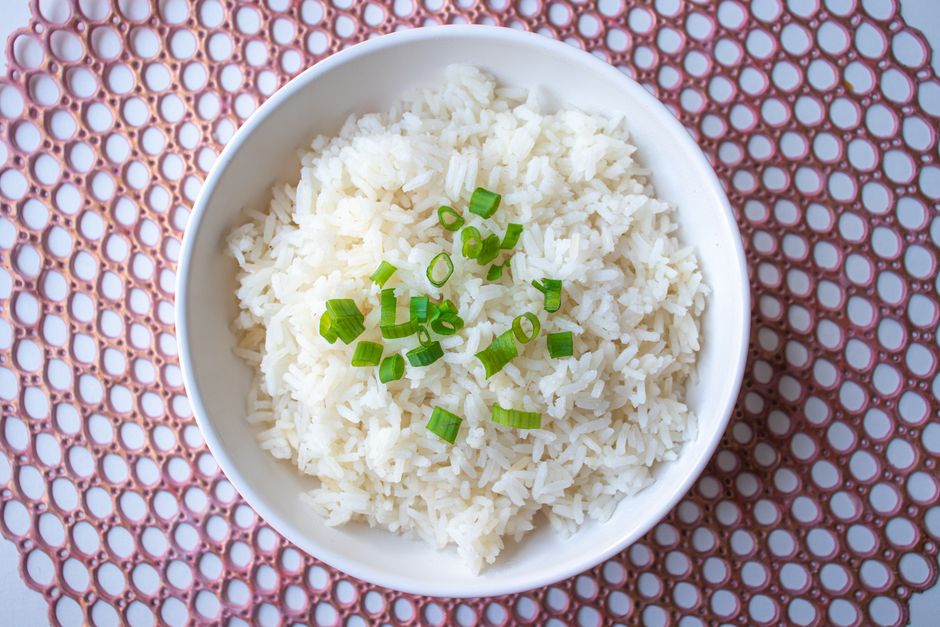
Rice is one of the most widely eaten foods on the planet, and for good reason. For most people, the answer is yes: rice is easy to digest. White rice, in particular, is a simple carbohydrate that breaks down quickly in the stomach, making it a staple for people with sensitive stomachs or those recovering from illness. However, the full answer depends on the type of rice, how it is cooked, and your individual digestive system.
Why White Rice Is Gentle on the Stomach
White rice is a refined grain. The outer layers—the bran and the germ—are removed during processing. What remains is the endosperm, which is mostly starch. This starch is easy for your body to break down.
Your digestive system processes white rice quickly. The enzymes in your saliva and small intestine break down the starch into simple sugars. These sugars are then absorbed into your bloodstream. Because there is little fiber left in white rice, it does not sit in your stomach for long. This is why doctors often recommend white rice for people with nausea, diarrhea, or after a stomach bug.
The bland nature of white rice also matters. It does not contain compounds that irritate the stomach lining. It is low in fat and low in protein, both of which take longer to digest than carbohydrates.
How Brown Rice Compares
Brown rice is a whole grain. It still has the bran and the germ intact. These layers contain fiber, vitamins, and minerals. But that same fiber makes brown rice harder to digest than white rice.
Fiber is not broken down by your digestive enzymes. It moves through your intestines mostly intact. For most people, this is beneficial. Fiber adds bulk to stool and feeds the good bacteria in your colon. But for someone with a sensitive stomach, this can cause bloating, gas, or discomfort.
Brown rice also takes longer to cook and longer to digest. The fiber slows down the emptying of your stomach, which keeps you full longer. This is good for blood sugar control, but it is not ideal if you are looking for a food that is quick and easy on the gut.
If you have a healthy digestive system, brown rice is perfectly fine. If you are dealing with digestive distress, white rice is the safer choice.
What Happens During Digestion
Digestion starts in your mouth. Chewing breaks rice into smaller pieces, and saliva begins breaking down the starch. From there, the rice moves to your stomach, where it is mixed with acid and digestive enzymes.
Because rice is mostly starch, it does not require much work from your stomach. Proteins and fats require more time and more stomach acid. Rice passes through the stomach relatively quickly and moves into the small intestine.
In the small intestine, pancreatic enzymes finish the job. The starch is broken down into glucose, which is absorbed into your blood. This entire process is efficient and requires little energy from your body.
This is why rice is often called a “bland” food. It is easy on the digestive tract because it is simple. There is nothing complex for your body to break down.





Does Cooking Method Matter
Yes. How you cook rice changes how easy it is to digest.
Overcooked rice is softer and more broken down. Your body has to do less work. This is why congee—a rice porridge—is a traditional food for sick people in many Asian cultures. The rice is cooked with extra water until it breaks apart completely. This makes it extremely easy to digest.
Undercooked rice is harder and more difficult to digest. The starch granules are not fully gelatinized, meaning your enzymes have a harder time accessing them. This can cause stomach discomfort.
Cooling rice changes its structure. When cooked rice is cooled, some of the starch converts into something called resistant starch. Resistant starch acts like fiber—it is not digested in the small intestine and instead ferments in the colon. This is not bad for you. In fact, it feeds beneficial gut bacteria. But it does mean that cold rice is slightly harder to digest than hot rice.
For most people, this difference is minor. But if you have a sensitive stomach, eating freshly cooked, warm rice is the easiest option.
Rice and Common Digestive Issues
Rice is often recommended for people with digestive problems. This is not just tradition—it is supported by how rice behaves in the body.
For diarrhea, rice is a go-to food. The low fiber content helps firm up stool. The easily absorbed carbohydrates provide quick energy without irritating the gut. The BRAT diet—bananas, rice, applesauce, and toast—has been used for decades to help people recover from stomach bugs.
For acid reflux, rice is generally safe. It is low in fat, which means it does not stimulate excessive stomach acid production. It is not spicy and does not contain caffeine. People with reflux usually tolerate rice well.
For people with gastritis or ulcers, rice is a safe option. It does not irritate the stomach lining. White rice, specifically, is often included in “gastric-friendly” diets.
For irritable bowel syndrome (IBS), rice is usually well tolerated. It is low in fermentable carbohydrates, which are the compounds that trigger IBS symptoms in many people. This is why rice is a staple in the low-FODMAP diet, a dietary approach used to manage IBS.
Are There Any Downsides
Rice is easy to digest, but it is not a perfect food.
White rice is a refined carbohydrate. It is digested quickly, which means it can cause a rapid rise in blood sugar. For people with diabetes or prediabetes, this is a concern. Portion control matters. Eating large amounts of white rice can spike blood sugar more than eating brown rice or other whole grains.
Arsenic is another consideration. Rice absorbs more arsenic from the soil than most other grains. This is a well-documented finding. The FDA has stated that long-term exposure to arsenic is a concern, especially for infants and pregnant women. This does not mean you should stop eating rice. It means you should vary your grains and not eat rice every single day.
Rinsing rice before cooking and cooking it in extra water can reduce arsenic levels. Some research suggests this method removes a significant portion of the arsenic. The evidence is not definitive, but it is a reasonable practice.
For most healthy adults, eating rice a few times a week is not a health risk. The benefits of rice—easy digestion, affordability, and versatility—outweigh the concerns.
Other Grains That Are Easy to Digest
If you are looking for alternatives to rice, several grains are similarly gentle on the stomach.
Oats are easy to digest, especially when cooked into oatmeal. They contain soluble fiber, which is gentler than the insoluble fiber found in brown rice. Oats are also soothing to the stomach.
Quinoa is a seed that cooks like a grain. It is easy to digest for most people and provides more protein than rice. Some people find quinoa slightly harder to digest than white rice, but it is still a good option.
Millet is a small grain that is naturally gluten-free and easy on the stomach. It cooks quickly and has a mild flavor.
White bread and white pasta are similar to white rice in terms of digestibility. They are refined carbohydrates that break down quickly. They are not as nutritious as whole grains, but they are gentle on the gut.
The best choice depends on your needs. If you want maximum digestibility, white rice is hard to beat. If you want more nutrients and are willing to accept slightly more fiber, oats or quinoa are good options.
Frequently Asked Questions
Is rice harder to digest than bread?
White rice and white bread are similar in digestibility—both are refined carbohydrates that break down quickly. Whole grain bread is harder to digest than white rice because of its higher fiber content.
Can eating rice cause bloating?
White rice rarely causes bloating because it is low in fiber and fermentable carbohydrates. Brown rice can cause bloating in some people because of its higher fiber content.
Is rice good to eat when you have an upset stomach?
Yes, plain white rice is one of the best foods for an upset stomach. It is bland, low in fiber, and easy to digest, which is why it is part of the BRAT diet.
Does rinsing rice make it easier to digest?
Rinsing rice removes excess surface starch, which can make the cooked rice less sticky and slightly easier to digest. The main benefit of rinsing is reducing arsenic levels, not changing digestibility.
