
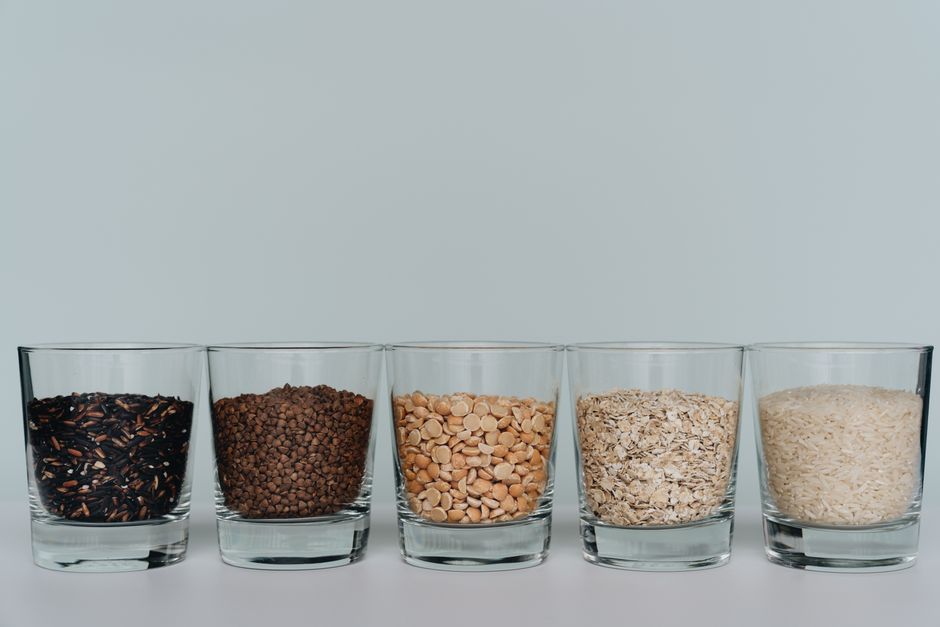
White rice is one of the most widely eaten foods on the planet, and it is often criticized for what it lacks. Milling strips away the bran and germ, taking fiber, B vitamins, and minerals with them. The good news is that how you cook it, what you pair it with, and when you eat it can all change its impact on your body. Here are eight practical, evidence-based ways to make white rice a healthier part of your plate.
Why Does White Rice Get a Bad Reputation?
White rice is mostly starch. The milling process removes the outer bran layer and the germ, which is where most of the fiber, vitamins, and healthy fats sit in a grain of rice.
What is left is the endosperm, which is largely carbohydrate with a small amount of protein. In the United States, most white rice is enriched, meaning some B vitamins and iron are added back after milling. That helps, but enrichment does not restore the fiber or the full nutrient profile of the original grain.
The main concern is how white rice affects blood sugar. It has a high glycemic index, which means it can raise blood glucose quickly compared with whole grains. That matters most for people with diabetes or insulin resistance. For a healthy person eating rice as part of a mixed meal, the picture is more nuanced. Rice is not inherently bad. It is simply a food that benefits from context.
How To Make White Rice Healthier 8 Proven Tips?
These eight approaches are backed by nutrition research or established food science. None of them require special equipment or expensive ingredients.
1. Cook It With a Little Fat
Adding a small amount of fat to the cooking water or the finished rice can slow how quickly your body absorbs the starch. Cooking rice with a teaspoon of coconut oil or olive oil per cup of dry rice is a common approach.
Some research suggests that fat can interact with the starch during cooking and change its structure slightly, making it digest a bit more slowly. The effect is modest, not dramatic. But it is an easy change with no downside.
2. Cool It Before Reheating
This one is genuinely interesting. When cooked rice cools, some of the starch molecules rearrange into a form called resistant starch. Resistant starch is not fully digested in the small intestine, so it acts more like fiber.
Research has shown that cooling cooked rice in the refrigerator for several hours can increase resistant starch content. Reheating it afterward does not completely undo this change. The practical takeaway: cook rice ahead, refrigerate it, and reheat it later. You get a slightly lower glycemic response for free.
This does not make white rice a low-glycemic food. It just nudges it in a better direction.
3. Pair It With Protein and Fiber
Eating rice alone spikes blood sugar more than eating it alongside protein, fat, and fiber. This is well established in nutrition science.
Add beans, lentils, chicken, fish, tofu, or eggs to your rice bowl. Add vegetables too. The combined meal digests more slowly, and the blood sugar response is flatter.
Rice and beans is a classic combination for good reason. Together they provide a more complete protein profile and more fiber than either one alone.
4. Choose the Right Type of White Rice
Not all white rice is the same. Here is how common types compare:
| Type | Glycemic Index (approximate) | Notes |
|---|---|---|
| Jasmine | High | Fragrant, soft, common in Southeast Asian cooking |
| Basmati | Medium | Lower GI than most white rice; firm, separate grains |
| Short-grain (sushi) | High | Sticky, higher starch content |
| Parboiled (converted) | Medium | Partially pre-cooked; some nutrients pushed into the grain before milling |
Basmati and parboiled rice tend to have a lower glycemic index than jasmine or short-grain varieties. If blood sugar is a concern, switching varieties is a simple step.
5. Rinse It Before Cooking
Rinsing rice under cold water removes surface starch. This does two things: it keeps the grains from sticking together, and it removes some loose starch that would otherwise be in your finished dish.
The effect on blood sugar is small. But rinsing also removes surface debris and any residual processing residue. It is a good habit regardless.
6. Cook It With Less Water
Rice cooked with less water comes out firmer, with grains that are more intact. Firmer rice is digested more slowly than soft, mushy rice.
This is not a dramatic effect, but it is real. If you usually cook rice until it is very soft, try pulling back the water slightly and see how the texture changes.
7. Add Legumes to the Pot
Cooking rice with lentils or split peas is common in South Asian and Middle Eastern cooking. It is not just a flavor choice. Legumes add fiber and protein to the dish, which lowers the overall glycemic impact of the meal.
You can also serve rice with a side of beans or dal rather than cooking them together. The result is similar. The key is that the meal as a whole has more fiber and protein than plain rice alone.
8. Watch Your Portion Size
This is the simplest tip and often the most effective. A standard serving of cooked rice is about half a cup, roughly the size of a cupped hand. Many restaurant portions are two to three times that amount.
If you fill half your plate with vegetables, a quarter with protein, and a quarter with rice, you naturally eat less rice without feeling deprived. Portion control is not glamorous, but it works.
Does Reheating Rice Kill Resistant Starch?
No. Reheating rice does not completely destroy the resistant starch that formed during cooling.
When you cook rice and then chill it, some starch crystals rearrange into a form your digestive enzymes cannot easily break down. This is called retrogradation. Once those crystals form, they are fairly stable. Reheating may reduce them slightly, but a meaningful amount survives.
So the sequence of cook, cool, reheat is not wasted effort. You still end up with more resistant starch than if you ate the rice fresh and hot.
One safety note: cooked rice can harbor Bacillus cereus spores if left at room temperature too long. Cool it quickly and refrigerate it within an hour or two. Reheat until steaming hot.




Is Brown Rice Always Better Than White Rice?
Brown rice has more fiber, more B vitamins, and more minerals than white rice. That part is not debatable. It also has a lower glycemic index in most comparisons.
But “better” depends on what you are comparing and for whom. Brown rice takes longer to cook and has a chewier texture that some people do not enjoy. For people with certain digestive conditions, the extra fiber in brown rice can cause discomfort.
White rice is also easier to digest during illness or recovery. In many cultures, it is the preferred grain for people with sensitive stomachs.
The honest position: brown rice has a better nutrient profile, but white rice can absolutely be part of a healthy diet, especially if you apply the tips above. The best rice is the one you will actually eat as part of a balanced meal.
Can You Add Nutrients Back to White Rice?
You cannot restore the fiber that milling removes. But you can improve the nutrient profile of the finished dish.
- Cook rice in bone broth instead of water for added protein and minerals.
- Stir in cooked vegetables, beans, or lentils.
- Top with seeds like sesame or pumpkin for healthy fats and minerals.
- Add a source of vitamin C, such as bell peppers or a squeeze of lemon, which can help your body absorb the iron in enriched rice.
None of these turn white rice into a nutritional powerhouse. But they make the meal more balanced and more satisfying.
What About Arsenic in Rice?
Rice plants take up more arsenic from soil and water than most other crops. This is a real concern, especially for infants and young children.
Rinsing rice before cooking and cooking it in excess water that you drain off can reduce arsenic content. Some research indicates that cooking rice in a large volume of water and draining it, similar to how pasta is cooked, removes a meaningful amount of arsenic.
This method also rinses away some nutrients, so it is a trade-off. For most adults eating rice a few times a week, the arsenic exposure is considered low risk. For infants and young children, the FDA has recommended that rice cereal not be the only grain used. Talk to your pediatrician if you have concerns about your child’s rice intake.
Do These Tips Actually Change Anything?
Each individual change is modest. Cooking with fat, cooling for resistant starch, adding protein, choosing basmati, watching portions. None of these will transform white rice into a low-glycemic superfood.
But together they add up. A meal of cooled basmati rice with beans, vegetables, and a source of protein will have a very different effect on your blood sugar than a large bowl of hot jasmine rice eaten alone.
The goal is not perfection. It is making a staple food work a little better for your body.
Frequently Asked Questions
Does rinsing rice remove nutrients?
Rinsing removes some surface starch and a small amount of water-soluble vitamins, especially in enriched rice. The loss is minor compared with the benefits of cleaner texture and reduced surface residue.
Can diabetics eat white rice?
Yes, but portion size and pairing matter. Eating white rice with protein, fat, and fiber slows the blood sugar rise, and choosing basmati or parboiled rice can help further.
Is reheated rice safe to eat?
Yes, if it was cooled quickly and refrigerated within one to two hours of cooking. Reheat it until it is steaming hot throughout to reduce the risk of Bacillus cereus.
Does cooling rice really lower its glycemic impact?
Some research indicates that cooling cooked rice increases resistant starch, which is not fully digested. The effect is modest but real, and it survives reheating to some degree.
