

Quinoa is not a low-carb food. A standard cooked serving contains about 21 grams of carbohydrates before fiber is subtracted. It is a medium-carb grain-like seed that fits into moderate-carb eating patterns but will not work for strict ketogenic diets.
What Is the Exact Carb Count in Quinoa?
One cup of cooked quinoa contains roughly 39 grams of total carbohydrates. After subtracting the 5 grams of fiber, you get about 34 grams of net carbohydrates. That is a substantial amount for anyone tracking carbs closely.
For comparison, the same serving of cooked white rice has about 45 grams of total carbs and 43 grams of net carbs. Quinoa is lower than rice but still firmly in the carbohydrate category. It is not comparable to leafy greens, cauliflower, or other true low-carb vegetables.
The exact numbers can vary slightly by brand and cooking method, but the range is consistent. A half-cup serving, which is a more realistic portion for many people, delivers about 17 grams of net carbs.
Why Quinoa Has a Reputation as a “Healthy” Carb
Quinoa is often grouped with health foods because of its protein and fiber content. It is one of the few plant foods that provides all nine essential amino acids, making it a complete protein. This is unusual for a grain-like seed and explains part of its popularity.
It also contains more fiber than most refined grains. Fiber slows digestion and blunts the blood sugar response compared to white bread or white rice. That does not make it low carb, but it does make the carbs it contains behave differently in the body.
Quinoa is also a good source of magnesium, iron, and folate. These nutrients matter for energy production and red blood cell formation. The nutritional value is real, but it does not change the carbohydrate math.
Glycemic Index and Blood Sugar Impact
The glycemic index of quinoa is considered low to medium, generally falling below that of white rice or potatoes. This means it raises blood sugar more slowly than those foods. The fiber and protein content both contribute to this slower absorption.
However, a low glycemic index does not mean low carbohydrate content. It only describes how quickly the carbs enter your bloodstream. You can still consume a large amount of carbohydrates from quinoa even if they absorb slowly.
For people with diabetes or prediabetes, portion control matters more with quinoa than with truly low-carb foods. A small side serving may be manageable. A large bowl will still raise blood sugar meaningfully.
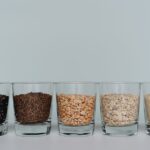



Can Quinoa Fit Into a Low-Carb Diet?
It depends entirely on your carb budget. Standard low-carb diets often allow 50 to 150 grams of net carbs per day. Within that range, a half-cup of quinoa is workable if you plan the rest of your meals around it.
Strict keto diets typically cap carbs at 20 to 50 grams per day. One cup of quinoa would consume most or all of that daily allowance. It is not realistic to include quinoa regularly on a strict keto plan.
If you are following a moderate low-carb approach, quinoa can be a useful swap for rice or pasta. It provides more nutrients than those refined options. Just weigh the portion before you cook it, because dry quinoa expands to roughly three times its volume.
How Quinoa Compares to Other Grains and Pseudograins
| Food (1 cup cooked) | Total Carbs | Fiber | Net Carbs |
|---|---|---|---|
| Quinoa | 39 g | 5 g | 34 g |
| Brown rice | 45 g | 3.5 g | 41.5 g |
| White rice | 45 g | 0.6 g | 44 g |
| Oats | 28 g | 4 g | 24 g |
| Cauliflower rice | 5 g | 2 g | 3 g |
Cauliflower rice is the only true low-carb option in this comparison. Everything else falls into the moderate or high carbohydrate range. Quinoa sits in the middle, better than rice but nowhere near vegetables.
What Are the Best Low-Carb Alternatives to Quinoa?
If you need to replace quinoa because of carb limits, several options exist. Cauliflower rice is the most direct substitute in terms of texture and versatility. It absorbs sauces and seasonings well and works in stir-fries, bowls, and casseroles.
Broccoli rice and cabbage-based alternatives also work. These vegetables provide volume and fiber with minimal carbohydrates. They will not provide the same protein content as quinoa, so you may need to add a protein source to your meal.
For people who want a warm grain-like side without the carbs, hemp seeds and sunflower seeds can be used in small amounts. They are higher in fat and protein and lower in carbohydrates than quinoa. Their texture is different, so they work best in salads rather than as a direct rice replacement.
Shirataki noodles and konjac-based products are another option. These are almost entirely water and fiber, containing only trace carbohydrates. They have a distinct texture that some people enjoy and others do not.
Is the Carb Content of Quinoa Worth It?
Quinoa is genuinely nutritious. The protein, fiber, and mineral content are all well documented. If your eating pattern allows for moderate carbohydrates, quinoa is a better choice than refined grains.
If your goal is strict carbohydrate restriction, quinoa is not worth the carb cost. The nutrients it provides can be obtained from other foods that do not carry the same carbohydrate load. Eggs, meat, nuts, seeds, and non-starchy vegetables cover most of the same nutritional ground.
The decision comes down to your specific health goals. For general health and moderate carb intake, quinoa is a reasonable food. For therapeutic ketogenic diets or very low-carb medical protocols, it does not fit.
Does Rinsing or Cooking Method Change the Carb Count?
Rinsing quinoa before cooking removes saponins, which are bitter compounds on the outer layer. This improves taste but does not meaningfully change the carbohydrate content. The carb value is in the seed itself.
Cooking method also does not change the macronutrient profile. Boiling, steaming, or using a rice cooker all produce similar carb counts per cup. The only variable that matters is portion size.
Some sources suggest that cooling cooked quinoa increases resistant starch, which is a type of fiber that resists digestion. This effect is real but modest. It may slightly reduce the net carb impact, but the reduction is not large enough to classify quinoa as low carb.
Quinoa Flour and Quinoa Products
Quinoa flour is more concentrated than cooked quinoa. A quarter-cup of quinoa flour contains roughly 25 grams of carbohydrates. It is used in gluten-free baking and has a similar carb profile to other gluten-free flours like rice flour.
Quinoa pasta, quinoa flakes, and quinoa-based cereals all exist on the market. These products are not low carb. They are processed forms of the same seed and carry comparable carbohydrate loads per serving.
Read nutrition labels carefully on any quinoa product. The serving sizes are often small, which can make the carb count look lower than it actually is. Check the net carbs per serving before deciding if the product fits your plan.
Frequently Asked Questions
Is quinoa keto-friendly?
No, quinoa is not keto-friendly. One cup of cooked quinoa contains about 34 grams of net carbs, which would consume most or all of a typical daily keto carb allowance.
Can I eat quinoa on a low-carb diet?
You can eat quinoa on a moderate low-carb diet if you keep portions small and plan around it. A half-cup serving contains about 17 grams of net carbs, which fits into a 50 to 100 gram daily carb budget.
What is the lowest carb grain?
No true grain is genuinely low carb. The lowest carb options among grain-like foods are psyllium husk and some seed-based products, but for practical purposes, cauliflower rice and other non-starchy vegetables are the best low-carb substitutes.
Is quinoa lower in carbs than rice?
Yes, quinoa is lower in carbs than both white and brown rice. Cooked quinoa has about 34 grams of net carbs per cup, while white rice has about 44 grams and brown rice has about 41 grams.
