
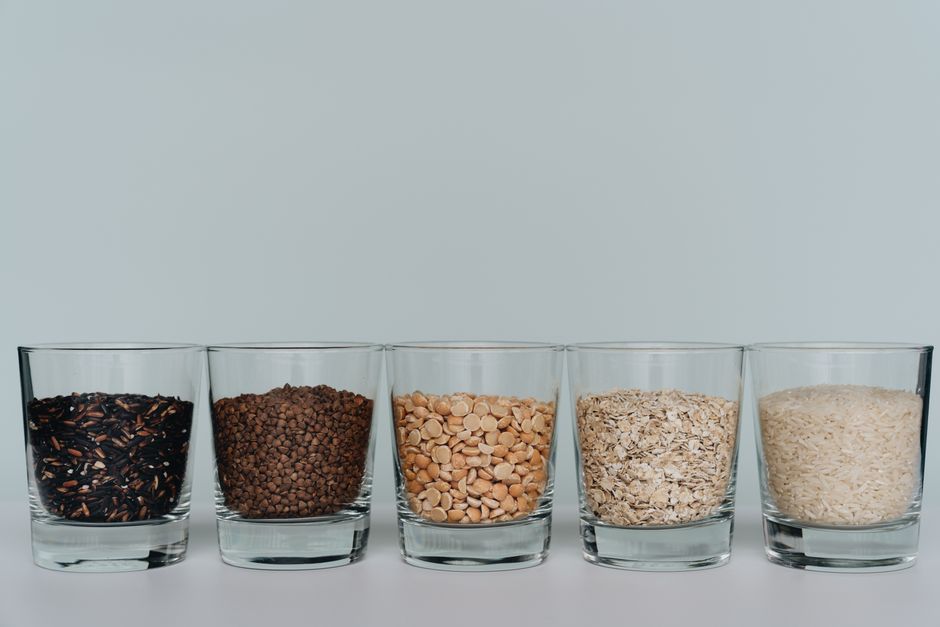
White rice is a refined carbohydrate. The milling process strips away the bran and the germ, leaving mostly the starchy endosperm. That changes how your body digests it, how quickly it raises blood sugar, and what nutrients it delivers. This article explains what that means for your meals and your health.
What Makes a Carb Refined?
Carbohydrates come in two broad forms: whole and refined. Whole carbs keep their natural structure. The grain, the fiber, the vitamins, and the minerals all stay intact. Refined carbs have been processed to remove parts of the plant.
For grains, refining means removing the bran and the germ. The bran is the outer shell. It holds most of the fiber. The germ is the core. It holds vitamins, minerals, and healthy fats. What remains is the endosperm, which is mostly starch.
White rice is exactly this. Brown rice starts as a whole grain. When the bran and germ are polished off, it becomes white rice. The process extends shelf life and creates a softer texture, but it removes a substantial portion of the nutritional value.
How White Rice Affects Blood Sugar
Fiber slows digestion. It keeps glucose from entering your bloodstream all at once. When fiber is removed, digestion speeds up.
White rice is mostly starch. Starch breaks down into glucose quickly. Your body absorbs that glucose rapidly, causing a faster and higher spike in blood sugar compared to brown rice.
This is why white rice has a higher glycemic index than brown rice. The glycemic index measures how quickly a food raises blood sugar. White rice scores higher because there is no fiber barrier to slow absorption.
For someone with diabetes or prediabetes, this matters. Repeated large blood sugar spikes can worsen insulin resistance over time. That does not mean white rice is toxic. It means portion size and what you eat with it matter.
What Nutrients Are Lost in Refining?
The refining process removes more than fiber. It also removes key vitamins and minerals.
Brown rice contains magnesium, phosphorus, selenium, and B vitamins. White rice has lower levels of all of these. The difference is significant.
Some white rice is enriched. That means vitamins are added back after milling. Enrichment typically adds back iron and some B vitamins like folic acid, niacin, and thiamin.
But enrichment does not restore everything. Fiber cannot be added back. Magnesium cannot be fully restored. The original nutrient profile of the whole grain is never fully recreated.
If your diet relies heavily on white rice, you may miss out on these nutrients unless you get them from other foods.





Does White Rice Have Any Benefits?
Yes. White rice is not empty calories, and it serves some practical purposes.
It is easy to digest. For people with digestive issues, or those recovering from illness, white rice is often better tolerated than high-fiber grains. The low fiber content means less work for the digestive tract.
It is also a quick source of energy. Athletes sometimes use white rice before or after training because it digests fast and delivers glucose to muscles quickly.
White rice is also affordable and shelf-stable. It is a staple food for billions of people worldwide. In many cultures, it is the foundation of every meal.
There is also evidence about arsenic. Brown rice typically contains higher levels of arsenic than white rice because arsenic concentrates in the bran. For infants and young children, and for people who eat rice daily, this is a real consideration. Some health authorities advise limiting rice intake, especially for babies and toddlers.
Is White Rice Bad for Weight Management?
White rice is not inherently fattening. Weight gain comes from eating more calories than you burn. White rice can contribute to that, but so can any food eaten in excess.
The issue is satiety. Fiber helps you feel full. White rice has almost no fiber, so it may not keep you satisfied for long. You might eat more later because you feel hungry sooner.
One study published in the British Medical Journal looked at rice consumption and type 2 diabetes risk. It found that higher intake of white rice was associated with a higher risk of type 2 diabetes, especially in Asian populations. The same study noted that replacing white rice with brown rice was linked to a lower risk.
That does not mean white rice causes weight gain by itself. It means the overall pattern of your diet matters. If white rice replaces vegetables, protein, and whole grains, your diet quality drops.
How to Eat White Rice Without the Downsides
You do not have to eliminate white rice to eat well. You can make it work within a balanced diet.
Portion control is the first step. A serving of cooked rice is about half a cup. Many restaurant servings are two to three times that size. Measuring your portions at home helps you understand what you are actually eating.
Pair white rice with protein and vegetables. Protein and fiber slow digestion and blunt the blood sugar response. A meal of white rice, grilled chicken, and broccoli will raise blood sugar more slowly than white rice alone.
Consider cooling your rice. Cooked and then cooled rice forms resistant starch. Resistant starch acts like fiber. It is not fully digested, so it delivers fewer calories and feeds beneficial gut bacteria. Reheating it does not eliminate this effect entirely.
Mix rice with other grains. Half white rice and half brown rice, quinoa, or barley gives you some of the texture you like with more fiber and nutrients.
White Rice vs. Brown Rice: A Quick Comparison
| White Rice (cooked, 1 cup) | Brown Rice (cooked, 1 cup) | |
|---|---|---|
| Calories | About 205 | About 215 |
| Fiber | 0.6 grams | 3.5 grams |
| Protein | 4.3 grams | 5 grams |
| Magnesium | 19 mg | 84 mg |
| Glycemic Index | Higher (varies by type) | Lower |
These numbers come from USDA nutritional data. The differences are clear. Brown rice has more fiber, more magnesium, and more protein. The glycemic response is also gentler.
What About Jasmine, Basmati, and Instant Rice?
Not all white rice is identical. Different varieties have different glycemic responses.
Basmati rice, especially aged basmati, tends to have a lower glycemic index than jasmine rice or short-grain sticky rice. This is because of differences in starch structure. Basmati has more amylose, a type of starch that digests more slowly.
Jasmine rice and other fragrant long-grain varieties have more amylopectin, which digests quickly. They raise blood sugar faster.
Instant rice is the most processed. It is partially cooked and then dehydrated. It digests even faster than regular white rice. If you are watching blood sugar, instant rice is the least favorable option.
Brown versions of basmati and jasmine exist. They offer the flavor profile you like with the fiber and nutrients intact.
Who Should Be Most Careful With White Rice?
People with diabetes or prediabetes should be the most careful. Their bodies cannot handle rapid glucose spikes as well as people with normal blood sugar control.
People with metabolic syndrome or insulin resistance should also pay attention. The same mechanism that raises blood sugar quickly also drives insulin secretion. Over time, this can worsen insulin resistance.
Pregnant women should be mindful. Gestational diabetes is common, and managing blood sugar during pregnancy is important for both mother and baby. White rice can be part of a gestational diabetes diet, but portion size and pairing with protein and vegetables matter.
For healthy people without these conditions, white rice is not a danger. The occasional serving is fine. The problem arises when white rice becomes the primary grain in your diet and displaces vegetables, legumes, and whole grains.
Is White Rice a Refined Carb What It Means for You
White rice is a refined carb, and that classification carries real consequences. It digests quickly, raises blood sugar fast, and delivers fewer nutrients than its whole-grain counterpart.
But the practical takeaway is not to fear white rice. It is to understand its place in your diet. Eat it in controlled portions. Pair it with protein, vegetables, and healthy fats. Choose brown rice or other whole grains when you can.
Your overall dietary pattern matters more than any single food. A diet built on vegetables, legumes, whole grains, lean protein, and healthy fats leaves room for white rice without harming your health.
If you have diabetes, prediabetes, or insulin resistance, talk to your doctor or a registered dietitian about how to fit rice into your meal plan. They can help you determine portion sizes and meal combinations that work for your specific health needs.
Frequently Asked Questions
Is white rice a refined carbohydrate?
Yes. The milling process removes the bran and germ, leaving only the starchy endosperm. This makes it a refined grain.
Is white rice bad for you?
No, but it is less nutritious than brown rice and raises blood sugar faster. Portion size and what you eat with it determine most of the health impact.
Can I eat white rice if I have diabetes?
Yes, but you need to manage portions and pair it with protein and vegetables to slow the blood sugar response. Consult your doctor or dietitian for personalized guidance.
Is brown rice always better than white rice?
For most people, yes, because it has more fiber, magnesium, and B vitamins. However, white rice is easier to digest and contains less arsenic than brown rice.
