
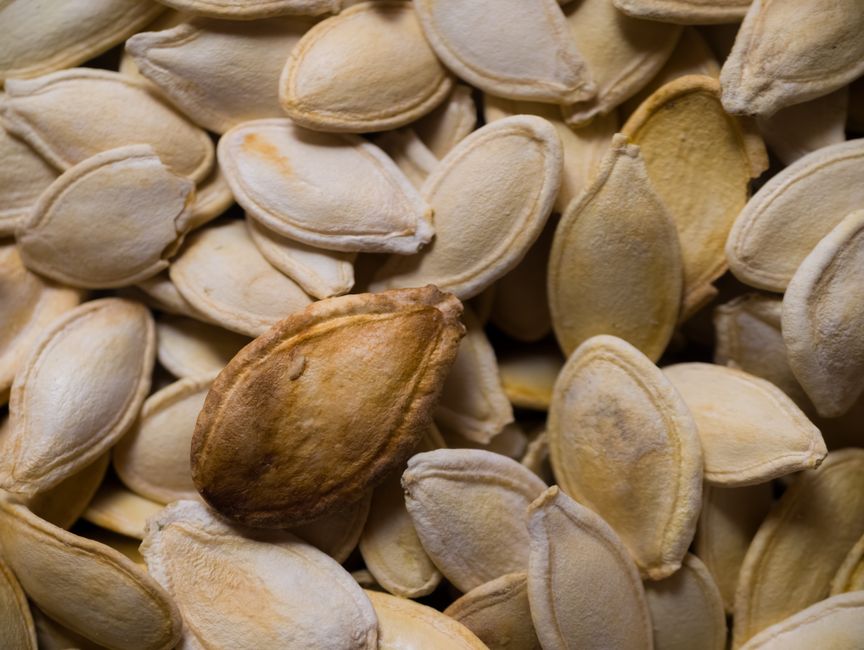
Pumpkin is genuinely good for cholesterol, and the benefits extend beyond just the flesh to the seeds and even the oil. The fiber in pumpkin can help lower LDL (“bad”) cholesterol, and pumpkin seeds contain plant compounds called phytosterols that block cholesterol absorption. The evidence is solid enough that adding pumpkin to a heart-healthy diet is a reasonable, science-backed choice.
How Does Pumpkin Affect LDL Cholesterol?
Pumpkin flesh is rich in soluble fiber. Soluble fiber forms a gel-like substance in your digestive tract. That gel binds to cholesterol-rich bile acids and carries them out of your body instead of letting them be reabsorbed.
Your liver then has to pull more cholesterol from your blood to make new bile acids. The net effect is a measurable drop in LDL cholesterol. Studies have consistently shown that diets higher in soluble fiber are linked to lower LDL levels.
One cup of cooked pumpkin provides about 3 grams of fiber. That is roughly 10 percent of the daily recommended intake for adults. It is not a dramatic amount on its own, but it adds up when pumpkin becomes a regular part of your diet.
Pumpkin is also naturally low in saturated fat. Saturated fat is the dietary factor most strongly linked to raising LDL cholesterol. Swapping higher-fat foods for pumpkin is a double win: you get the fiber benefit and you avoid the saturated fat.
What Makes Pumpkin Seeds Special for Cholesterol?
Pumpkin seeds are a different story from the flesh. They are much higher in calories and fat, but the fat is mostly unsaturated. Unsaturated fats are the kind that support heart health when they replace saturated fats.
More importantly, pumpkin seeds contain phytosterols. Phytosterols are plant compounds with a structure similar to cholesterol. They compete with cholesterol in your intestines for absorption. When phytosterols win that competition, less cholesterol enters your bloodstream.
Research published in the Journal of Agricultural and Food Chemistry found that pumpkin seed extracts reduced cholesterol absorption in animal models. Human studies are more limited, but the mechanism is well understood and consistent across different plant sterol sources.
A one-ounce serving of pumpkin seeds provides about 150 calories and 5 grams of protein. The same serving contains roughly 13 grams of fat, most of it unsaturated. This makes them a nutrient-dense snack, but portion control matters because of the calorie density.
Is Pumpkin Seed Oil Better Than Whole Seeds?
Pumpkin seed oil is concentrated. It contains the phytosterols and unsaturated fats of the seeds, but without the fiber and protein. Some research suggests it may help with cholesterol, but the evidence is not as strong as for whole seeds.
A small study in Nutrition Research found that pumpkin seed oil supplementation reduced LDL cholesterol in postmenopausal women over a 12-week period. The effect was modest but statistically significant. The study was small, and the results have not been widely replicated.
Whole seeds are probably the better choice for most people. You get the phytosterols, the unsaturated fat, and the fiber all together. Fiber is lost when oil is extracted, and fiber is independently beneficial for cholesterol.
If you use pumpkin seed oil, treat it as a finishing oil. It has a low smoke point and can become bitter when heated. Drizzle it over salads or roasted vegetables rather than cooking with it at high temperatures.
How Much Pumpkin Do You Need to See a Difference?
There is no official guideline for pumpkin specifically. Clinical recommendations target total soluble fiber intake rather than any single food. The general guidance is 25 to 30 grams of total fiber per day for adults, with at least 5 to 10 grams coming from soluble fiber.
To put that in context, one cup of cooked pumpkin gives you about 2 grams of soluble fiber. A quarter-cup of pumpkin seeds gives you about 1 gram. These are meaningful contributions, but they work best as part of a broader fiber-rich diet.
Eating pumpkin daily is safe for most people. There is no known toxicity or dangerous interaction. The main concern is variety. Relying on pumpkin alone for cholesterol management would mean missing out on other beneficial foods like oats, beans, and barley.
A practical approach is to add pumpkin to your rotation a few times per week. Use it in soups, roast it as a side dish, or blend it into smoothies. Pair it with other fiber sources rather than treating it as a standalone solution.
What About Pumpkin Seeds and Blood Pressure?
Pumpkin seeds are a good source of magnesium and potassium. Both minerals play a role in blood pressure regulation. Magnesium helps blood vessels relax, and potassium helps counterbalance sodium.
Some research suggests that pumpkin seed oil may help lower blood pressure. A study in Journal of Medicinal Food found that daily pumpkin seed oil supplementation reduced systolic blood pressure in adults with hypertension. The effect was similar to what you might see from a medication, but the study was small and short-term.
High blood pressure and high cholesterol often occur together. Both are risk factors for heart disease. Foods that address both, like pumpkin seeds, offer practical value for people managing cardiovascular risk.
That said, pumpkin seeds are not a replacement for blood pressure medication. If you have diagnosed hypertension, follow your doctor’s treatment plan. Use pumpkin seeds as a supportive dietary choice, not a substitute for prescribed care.
Are Roasted or Raw Pumpkin Seeds Better?
Both roasted and raw pumpkin seeds offer the same cholesterol benefits. The phytosterols and unsaturated fats survive roasting. The main differences are sodium content and calorie density.
Many commercial roasted pumpkin seeds are heavily salted. Excess sodium raises blood pressure, which works against the cardiovascular benefits. Check the nutrition label and choose unsalted or lightly salted varieties.
Roasting can slightly reduce the moisture content, making the seeds more calorie-dense by weight. This matters only if you are tracking calories closely. The difference is small and unlikely to affect cholesterol outcomes.
If you roast seeds at home, keep the temperature moderate. High heat can oxidize the unsaturated fats, creating compounds that are less beneficial. Roast at 300°F for 15 to 20 minutes rather than blasting them at high heat.
Can Pumpkin Replace Cholesterol Medication?
No. No food can replace statins or other cholesterol-lowering medications. This is an important distinction.
Statins reduce LDL cholesterol by 30 to 50 percent in most people. Dietary changes typically produce a 5 to 15 percent reduction. That difference is clinically significant, especially for people at high cardiovascular risk.
Dietary changes and medication are complementary, not competing, strategies. People who eat well and take their prescribed medication get better outcomes than people who do only one or the other. This is well established in cardiovascular research.
If you are considering stopping or reducing your cholesterol medication because you started eating pumpkin, do not do it without talking to your doctor. The consequences of untreated high cholesterol are serious and include heart attack and stroke.
Frequently Asked Questions
Is pumpkin good for lowering LDL cholesterol?
Yes, pumpkin contains soluble fiber that binds to cholesterol in the digestive tract and helps remove it from the body. Regular consumption can contribute to modest LDL reduction as part of a fiber-rich diet.
Are pumpkin seeds better than pumpkin flesh for cholesterol?
They work differently. Pumpkin seeds provide phytosterols that block cholesterol absorption, while the flesh provides fiber that removes cholesterol. Both are beneficial and complement each other.
How much pumpkin should I eat daily for cholesterol?
There is no official daily recommendation for pumpkin specifically. Aim for 25 to 30 grams of total fiber daily, and let pumpkin contribute a portion of that through regular but moderate servings.
Can pumpkin seeds replace statin medication?
No, pumpkin seeds cannot replace statins. Dietary changes typically reduce LDL by 5 to 15 percent, while statins reduce it by 30 to 50 percent. Never stop prescribed medication without consulting your doctor.
