
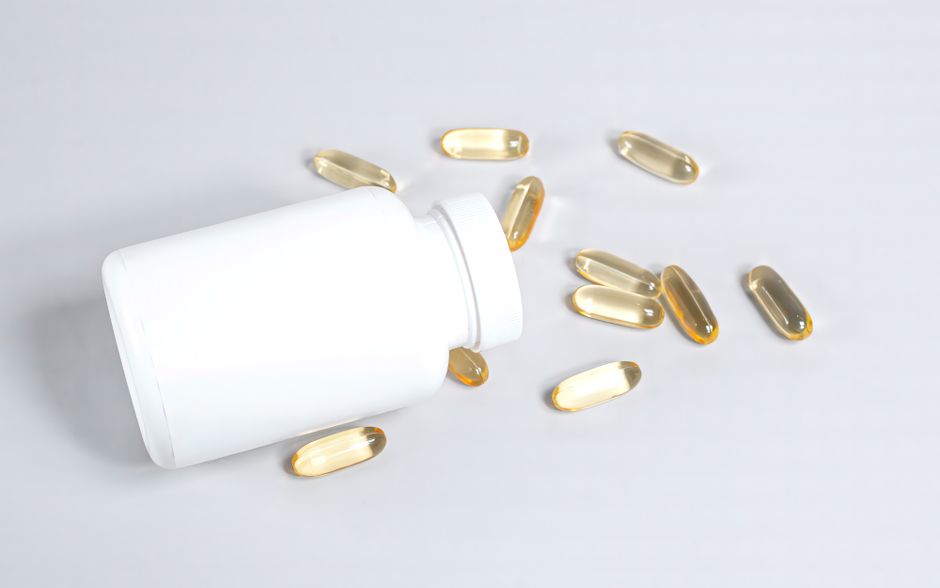
Vitamin K2 does not directly lower cholesterol, but research suggests it may offer cardiovascular benefits through other pathways. The distinction matters because it changes what you can reasonably expect from a K2 supplement. Most clinical studies on vitamin K2 focus on arterial calcification and bone health, not on reducing LDL cholesterol levels.
What Does Vitamin K2 Actually Do?
Vitamin K2 activates proteins that help regulate where calcium ends up in your body. One of these proteins, matrix Gla protein, helps keep calcium out of your artery walls. Another, osteocalcin, helps direct calcium into bone tissue.
This is why most research on vitamin K2 centers on vascular health and bone density. The vitamin does not interfere with cholesterol synthesis or absorption the way statins or fiber do. It works on a different part of the cardiovascular risk picture.
Does Vitamin K2 Lower Cholesterol?
Current evidence does not show that vitamin K2 lowers LDL cholesterol or total cholesterol in any meaningful way. Clinical trials that measured lipid panels before and after K2 supplementation have generally found little to no change in cholesterol numbers.
What vitamin K2 may do is influence how cholesterol behaves in your arteries. Some researchers believe K2 helps prevent the calcification process that makes arterial plaque dangerous. This is a separate mechanism from lowering the amount of cholesterol circulating in your blood.
The distinction is clinically important. A person with high LDL cholesterol should not expect vitamin K2 to replace a statin or dietary changes. The supplement may support vascular health through other means, but it does not address the cholesterol itself.
What Does the Research on Vitamin K2 and Heart Health Show?
Several observational studies have linked higher vitamin K2 intake with reduced risk of coronary heart disease. One well-known study from the Netherlands followed thousands of adults and found that those with the highest dietary K2 intake had fewer cardiovascular events. This association remained after adjusting for other risk factors.
However, observational research cannot prove causation. People who eat more vitamin K2 also tend to eat more vegetables, fermented foods, and generally healthier diets. These lifestyle factors may explain part of the benefit.
Randomized controlled trials on vitamin K2 supplementation have focused mostly on arterial stiffness and calcification scores. Some trials show modest improvements in arterial elasticity with K2 supplementation, particularly in older adults. Others show no significant effect. The evidence is not strong enough to recommend K2 as a standalone heart treatment.
No large randomized trial has yet demonstrated that vitamin K2 supplementation reduces heart attacks or strokes. That type of outcome data simply does not exist yet.

How Vitamin K2 and Cholesterol Interact in the Body
Cholesterol itself is not inherently dangerous. The body needs it to build cell membranes and produce hormones. Problems arise when cholesterol particles become oxidized and contribute to plaque formation in artery walls.
Vitamin K2 does not change how much cholesterol your liver produces. It does not increase LDL clearance from the bloodstream. Instead, it activates proteins that may reduce the calcification of existing arterial plaque. Calcified plaque is more likely to rupture and cause heart attacks or strokes.
Think of it this way: vitamin K2 may help stabilize the plaque that cholesterol helped create. That is valuable, but it is not the same as lowering cholesterol.
Some research has explored whether vitamin K2 works well alongside statins. The theory is that statins lower cholesterol while K2 addresses arterial calcification. This combination approach has biological plausibility, but clinical evidence for combined benefit remains limited.
Vitamin K1 vs. Vitamin K2
Vitamin K1 is primarily involved in blood clotting. It is found in leafy green vegetables like spinach, kale, and broccoli. Vitamin K2 comes in several forms and is found in fermented foods, certain cheeses, egg yolks, and natto, a fermented soybean dish.
The two forms of vitamin K are not interchangeable in the body. K2 has a longer half-life and is more effectively delivered to tissues outside the liver. This is why K2, rather than K1, has become the focus of cardiovascular research.
Most people get adequate vitamin K1 from their diet. Vitamin K2 intake varies widely depending on food choices. Natto is the richest dietary source, which is one reason vitamin K2 research has been particularly active in Japan.
Should You Take a Vitamin K2 Supplement?
Vitamin K2 supplementation may be reasonable for certain people, but it is not a substitute for proven cholesterol-lowering treatments. If you have high cholesterol, the interventions with the strongest evidence remain dietary changes, physical activity, and medications when prescribed by a doctor.
Some clinicians recommend vitamin K2 to people taking certain blood thinners, but this requires careful medical supervision. Warfarin, a common anticoagulant, works by blocking vitamin K activity. Taking K2 while on warfarin can interfere with the medication’s effectiveness. Anyone on blood thinners should discuss vitamin K2 with their prescribing doctor before starting it.
Vitamin K2 is generally considered safe at typical supplement doses. The body does not store large amounts of it, and excess is broken down and excreted. However, the long-term effects of high-dose K2 supplementation have not been thoroughly studied.
No clinical guidelines currently recommend routine vitamin K2 supplementation for cholesterol management or cardiovascular prevention. The evidence base is promising in some areas but not strong enough for broad clinical recommendations.
Natural Ways to Support Cardiovascular Health
If your goal is better heart health, the most evidence-backed approaches remain consistent across decades of research:
- Eating a diet rich in vegetables, fruits, whole grains, and lean proteins
- Maintaining a healthy body weight
- Getting regular physical activity
- Managing blood pressure within normal range
- Not smoking
- Limiting alcohol consumption
Foods that contain vitamin K2 can be part of a heart-healthy diet. Fermented foods, certain cheeses, and egg yolks all provide K2 along with other nutrients. But no single nutrient replaces the foundation of overall healthy habits.
If you are interested in vitamin K2 specifically, food sources are generally preferred over supplements. This allows you to get K2 in the context of a complete diet rather than as an isolated compound.
What to Discuss With Your Doctor
If you are considering vitamin K2 supplementation, bring it up at your next medical appointment. Be specific about why you are interested and what you hope to achieve. Your doctor can help you understand whether K2 fits into your overall health picture.
This conversation is especially important if you take any medication. Beyond blood thinners, some antibiotics and certain other drugs can interact with vitamin K. Your doctor or pharmacist can review your medication list and identify any potential concerns.
Ask your doctor about your actual cholesterol numbers and what they mean for your risk profile. Understanding your LDL, HDL, and triglyceride levels gives you a clearer picture than generic advice about supplements. This information helps you make decisions based on your personal health data rather than marketing claims.
Frequently Asked Questions
Can vitamin K2 replace statins for high cholesterol?
No. Vitamin K2 has not been shown to lower LDL cholesterol, while statins have strong evidence for both lowering cholesterol and reducing cardiovascular events. Do not stop any prescribed medication without talking to your doctor.
What are the best food sources of vitamin K2?
Natto is the richest source, followed by certain aged cheeses, egg yolks, and fermented foods. Chicken and some meats also contain moderate amounts. Dietary intake varies significantly based on food choices.
Is vitamin K2 safe to take with blood thinners?
It can be dangerous. Vitamin K directly counteracts the effect of warfarin and similar anticoagulants. Anyone on blood thinners must consult their prescribing doctor before taking any vitamin K supplement.
How long does it take for vitamin K2 to affect heart health?
Studies on arterial stiffness and calcification have used supplementation periods ranging from months to years. There is no established timeline for cardiovascular benefits, and current evidence does not support expecting rapid changes.
