
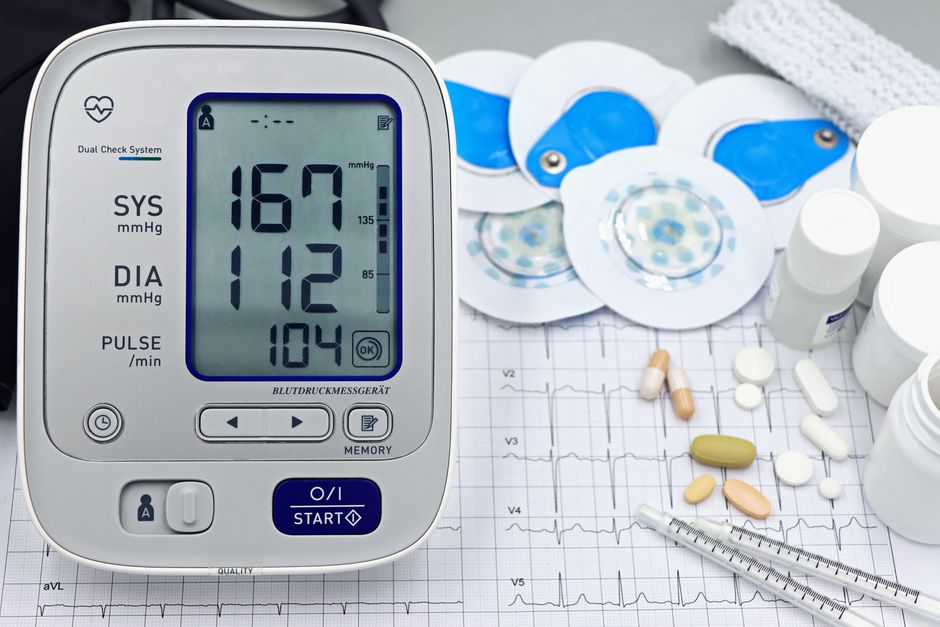
High cholesterol and HbA1c are two numbers that often appear together on a blood test, but they measure different things. High cholesterol does not directly cause a high HbA1c reading. However, the two conditions are deeply connected through shared risk factors like diet, weight, and inflammation, and having both significantly raises your risk for heart disease. Understanding how these markers interact helps you see the bigger picture of your metabolic health, rather than treating each number in isolation.
What Is HbA1c and What Does It Measure?
HbA1c stands for glycated hemoglobin. It is a blood test that shows your average blood sugar level over the past two to three months. When glucose circulates in your blood, some of it attaches to hemoglobin, the protein in red blood cells that carries oxygen. The more glucose in your blood, the more hemoglobin becomes glycated.
Doctors use HbA1c to diagnose and monitor diabetes. A normal HbA1c level is below 5.7 percent. A level between 5.7 and 6.4 percent indicates prediabetes. A level of 6.5 percent or higher indicates diabetes. The test is useful because it does not require fasting and gives a longer-term picture than a single blood sugar reading.
What Is High Cholesterol?
Cholesterol is a waxy, fat-like substance your body needs to build cells and make hormones. Your liver produces all the cholesterol you need. The rest comes from animal-based foods. Cholesterol does not dissolve in blood, so it travels through your body attached to proteins called lipoproteins.
There are two main types to know. Low-density lipoprotein (LDL) is often called “bad” cholesterol because high levels can lead to plaque buildup in arteries. High-density lipoprotein (HDL) is called “good” cholesterol because it helps remove cholesterol from the bloodstream. A lipid panel also measures triglycerides, another type of fat in the blood.
High cholesterol itself has no symptoms. You cannot feel it. It is only detected through a blood test, which is why routine screening matters.
How Does High Cholesterol Affect HbA1c?
High cholesterol does not directly change your HbA1c number. The HbA1c test measures glycated hemoglobin, and cholesterol does not interfere with that measurement. Having high cholesterol will not falsely raise or lower your HbA1c result.
But the two conditions share common underlying causes. Insulin resistance, a condition where your cells do not respond normally to insulin, drives high blood sugar. It also changes how your liver handles fats, often leading to higher triglycerides and lower HDL cholesterol. This is why people with type 2 diabetes frequently have a cholesterol pattern that includes high triglycerides and low HDL.
Inflammation also links the two. Excess body fat, particularly around the abdomen, promotes chronic low-grade inflammation. This inflammation contributes to insulin resistance and also damages blood vessels, making cholesterol more likely to form plaque. So while cholesterol does not cause a high HbA1c, the same metabolic problems often drive both.



Why Having Both Conditions Raises Heart Disease Risk
Diabetes and high cholesterol together create a dangerous combination. High blood sugar damages the inner lining of blood vessels over time. This damage makes those vessels more vulnerable to cholesterol plaque buildup. The plaque narrows arteries and can eventually rupture, causing a heart attack or stroke.
People with diabetes are two to four times more likely to die from heart disease than people without diabetes. This increased risk is partly because diabetes often comes with other risk factors like high blood pressure and abnormal cholesterol. Managing cholesterol becomes especially important for someone with elevated HbA1c.
This is why doctors often prescribe statins to people with diabetes, even if their cholesterol numbers look only mildly elevated. The goal is not just to lower a number on a lab report. The goal is to reduce the overall risk of cardiovascular events, which is substantially higher when both conditions are present.
Can Lowering Cholesterol Improve HbA1c?
Statins, the most common cholesterol-lowering medications, have a complicated relationship with blood sugar. Some studies have shown that statins can slightly increase HbA1c levels or raise the risk of developing type 2 diabetes. This effect is small, and the cardiovascular benefits of statins generally far outweigh this modest increase in blood sugar.
The effect is not uniform across all statins. Some research suggests that certain statins, such as pravastatin, have a smaller effect on blood sugar than others. However, the differences are modest, and the decision to use a specific statin should be made with your doctor based on your overall cardiovascular risk.
Lifestyle changes, on the other hand, improve both cholesterol and blood sugar simultaneously. Weight loss, even modest weight loss of five to ten percent of body weight, can lower LDL cholesterol, lower triglycerides, and improve insulin sensitivity. Regular physical activity has the same dual benefit. A diet rich in vegetables, whole grains, and lean protein while low in refined sugar and saturated fat supports both metabolic pathways.
What the Research Shows About Diet and Both Markers
Dietary patterns that improve cholesterol also tend to improve blood sugar control. Research published in the American Journal of Clinical Nutrition has found that diets lower in refined carbohydrates and higher in fiber improve both lipid profiles and glycemic control. This makes sense because the same foods that spike blood sugar often contribute to unhealthy cholesterol patterns.
The Mediterranean diet has been studied extensively for both conditions. This eating pattern emphasizes olive oil, nuts, fish, fruits, vegetables, and whole grains while limiting red meat and processed foods. Studies have consistently shown it reduces cardiovascular events and improves blood sugar control in people with diabetes.
One important clarification: eating cholesterol itself does not automatically raise blood cholesterol levels for most people. The liver regulates blood cholesterol based on many factors, and for most people, dietary cholesterol has a modest effect. The bigger dietary drivers of high LDL cholesterol are saturated fats and trans fats. Foods high in refined sugar drive both high triglycerides and high blood sugar.
How Often Should You Test Both?
Testing frequency depends on your current health status. For healthy adults with no risk factors, cholesterol screening typically starts at age 20 and repeats every four to six years. HbA1c screening for diabetes typically starts at age 45, or earlier if you have risk factors like obesity, a family history of diabetes, or high blood pressure.
If you have diabetes, the American Diabetes Association recommends checking HbA1c at least twice a year if your blood sugar is well controlled. If you have changed medications or your blood sugar is not well controlled, testing every three months is common. Lipid panels are typically checked at least once a year for people with diabetes.
If you have prediabetes, checking HbA1c annually is standard practice to monitor whether you are progressing toward diabetes. Your doctor may also check your lipid panel more frequently if you have other cardiovascular risk factors.
Practical Steps to Improve Both Numbers
The most effective approach addresses both conditions together rather than treating them as separate problems. Here are evidence-based strategies that improve both cholesterol and blood sugar:
- Lose weight if you are overweight. A five to ten percent reduction in body weight improves insulin sensitivity and lowers triglycerides.
- Move more. Aim for at least 150 minutes of moderate-intensity aerobic activity per week. This improves both insulin sensitivity and HDL cholesterol.
- Choose unsaturated fats. Replace butter and lard with olive oil, avocado, and nuts. These fats improve LDL cholesterol without harming blood sugar.
- Cut refined carbohydrates. Foods like white bread, sugary drinks, and pastries raise blood sugar and triglycerides. Replacing them with whole grains and vegetables helps both numbers.
- Eat more fiber. Soluble fiber from oats, beans, and fruits helps lower LDL cholesterol and slows sugar absorption.
- Take medication as prescribed. If your doctor prescribes a statin or a diabetes medication, take it consistently. These medications work alongside lifestyle changes, not instead of them.
When to See a Doctor
If you have not had your cholesterol or HbA1c checked recently, schedule an appointment. Both tests require only a simple blood draw. Knowing your numbers is the first step toward managing your risk.
If you already know you have high cholesterol or elevated HbA1c, talk to your doctor about your overall cardiovascular risk. Do not focus on one number in isolation. Your doctor can calculate your ten-year risk of heart disease and recommend a treatment plan that addresses all your risk factors together.
No single test tells the whole story. High cholesterol and high HbA1c are both markers of metabolic health. When they appear together, they signal that your body is struggling with how it processes both fats and sugar. That is important information, and it is actionable. Both conditions respond well to the same lifestyle changes, which means improving one often improves the other.
Frequently Asked Questions
Does high cholesterol cause high HbA1c?
No, high cholesterol does not directly cause a high HbA1c reading. The two conditions share common risk factors like insulin resistance and inflammation, but cholesterol does not affect the HbA1c measurement itself.
Can statins raise your HbA1c?
Some studies show statins can cause a small increase in HbA1c levels. The increase is modest, and the cardiovascular benefits of statins generally outweigh this minor effect on blood sugar.
What is a dangerous HbA1c level?
An HbA1c level of 6.5 percent or higher indicates diabetes. Levels above 9 percent are considered very high and are associated with significantly increased risk of diabetes complications.
Can losing weight lower both cholesterol and HbA1c?
Yes, weight loss improves both conditions. Losing five to ten percent of your body weight can lower LDL cholesterol, reduce triglycerides, and improve insulin sensitivity.
