
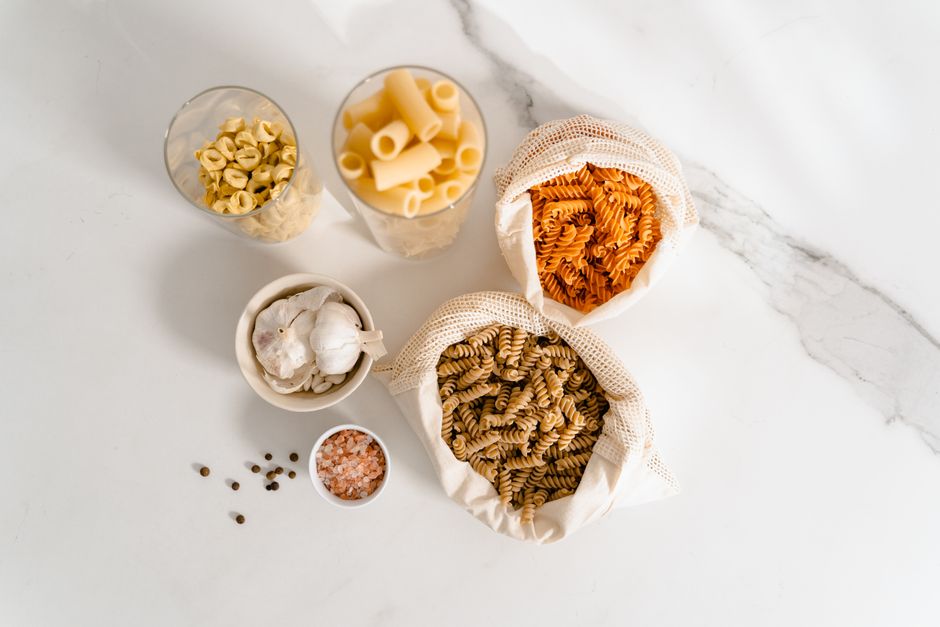
Yes, you can eat pasta with high cholesterol, but the type of pasta, the portion size, and especially what you put on it matter far more than the pasta itself. Plain pasta contains no cholesterol and very little saturated fat, which are the main dietary factors that raise blood cholesterol. The real issue is usually the heavy sauces, cheeses, and meats commonly served with it.
Does Pasta Itself Raise Cholesterol?
No. Pasta is made from durum wheat semolina and water. It contains zero cholesterol. Cholesterol is only found in animal products like meat, eggs, and dairy.
What matters for your blood cholesterol is saturated fat and trans fat. Saturated fat prompts your liver to produce more LDL cholesterol, the kind that builds up in arteries. Plain pasta is very low in saturated fat. A typical serving of cooked pasta has less than half a gram.
So the pasta on your plate is not directly raising your cholesterol numbers. The question becomes how you prepare it and what you eat alongside it.
What Actually Raises Cholesterol: The Sauce and Toppings
The toppings are where cholesterol problems usually start. A creamy alfredo sauce made with heavy cream and butter is loaded with saturated fat. A meat sauce made with fatty ground beef adds saturated fat too. Extra cheese on top adds more.
These additions are what turn a neutral meal into one that can raise LDL cholesterol. The same bowl of pasta with a tomato-based marinara sauce and vegetables is a completely different meal nutritionally.
Consider these common pasta additions and their effect:
- Cream-based sauces — high in saturated fat from cream and butter
- Cheese-heavy dishes — full-fat cheeses add significant saturated fat
- Fatty meats — sausage, bacon, and fatty ground beef add saturated fat
- Fried proteins — chicken or eggplant breaded and fried adds oil and calories
- Butter or oil drizzles — butter is high in saturated fat; olive oil is a healthier choice
Swapping these for vegetable-based sauces, lean proteins, and modest amounts of olive oil changes the meal completely.
Whole Wheat Versus White Pasta
Whole wheat pasta is the better choice for cholesterol, but not because of cholesterol itself. The benefit comes from fiber.
Whole wheat pasta contains more fiber than white pasta. Soluble fiber, the type found in whole grains, oats, and beans, binds to cholesterol in the digestive tract and helps remove it from the body. This can modestly lower LDL cholesterol over time.
White pasta has less fiber because the bran and germ are removed during processing. It is not harmful for cholesterol, but it offers less benefit. If you have high cholesterol, choosing whole wheat pasta when you can is a simple upgrade. It also tends to keep you fuller longer because of the extra fiber.
There are also pastas made from legumes like chickpeas or lentils. These have more protein and fiber than wheat pasta. Some research suggests legume-based foods can help with cholesterol management. They are worth trying if you like the taste and texture.




Portion Size Still Matters
Even healthy pasta can become a problem if you eat too much of it. Pasta is a carbohydrate. Eating large portions means consuming many calories, which can lead to weight gain. Excess weight is a risk factor for high cholesterol.
A standard serving of cooked pasta is about one cup. That is roughly the size of a clenched fist. Many restaurant portions are two to three times that amount.
If you are watching your cholesterol, the plate should be built around vegetables and a lean protein, with pasta as a side rather than the main event. A balanced plate might be half vegetables, a quarter lean protein like chicken or shrimp, and a quarter pasta.
This approach helps with weight management, which directly supports healthy cholesterol levels. Losing even a modest amount of weight can improve your cholesterol profile.
The Mediterranean Approach to Pasta
One of the most studied eating patterns for heart health is the Mediterranean diet. Pasta is a regular part of that way of eating. The difference is how it is prepared.
In the Mediterranean pattern, pasta is typically served with olive oil, garlic, tomatoes, vegetables, and small amounts of seafood or lean poultry. These meals are low in saturated fat and high in fiber and healthy fats.
Olive oil, especially extra virgin olive oil, contains monounsaturated fats. These fats can help improve cholesterol levels when they replace saturated fats in the diet. Using olive oil instead of butter or cream is one of the simplest changes you can make.
Studies have consistently linked Mediterranean-style eating with lower rates of heart disease. Pasta fits into this pattern without conflict. The key is the overall pattern of eating, not any single food.
How Often Can You Eat Pasta?
There is no strict limit on how often you can eat pasta if your cholesterol is high. What matters is the total diet across a week, not one meal.
If your typical pasta meal is a modest portion of whole wheat pasta with a vegetable-rich tomato sauce and a small amount of lean protein, you can eat it regularly. If your pasta meal is a large portion with cream sauce, sausage, and extra cheese, it should be an occasional treat rather than a habit.
This is consistent with general dietary guidance for managing cholesterol. The American Heart Association and similar organizations emphasize limiting saturated fat, eating more fiber, and maintaining a healthy weight. Pasta can fit within those guidelines.
What the Research Shows
Research on pasta specifically and cholesterol is limited. Most studies look at overall dietary patterns rather than individual foods. What the evidence consistently shows is that replacing saturated fats with unsaturated fats improves cholesterol. Swapping butter for olive oil, for example, has a measurable benefit.
Some studies have looked at refined carbohydrates like white pasta and found they may affect triglycerides, a type of fat in the blood. High triglycerides are a separate risk factor for heart disease. This is another reason to prefer whole grain options and watch portion sizes.
No major study has shown that pasta itself raises LDL cholesterol. The evidence points to the fats and portion sizes that accompany it. This aligns with the broader understanding that dietary cholesterol from food has less impact on blood cholesterol than saturated fat does.
Practical Tips for Heart-Healthy Pasta Meals
Making pasta part of a cholesterol-friendly diet is straightforward. These are practical changes you can make at home:
- Use whole wheat or legume-based pasta instead of white
- Make sauces from tomatoes, garlic, onions, and herbs
- Use olive oil instead of butter
- Add vegetables to increase fiber and volume
- Choose lean proteins like chicken, shrimp, or beans
- Use cheese sparingly, or choose a small amount of a sharp variety for flavor
- Measure your portion rather than estimating
These changes do not require giving up pasta. They require changing how you build the meal. The result is a dish that tastes good and supports your health goals.
Frequently Asked Questions
Is white pasta bad for high cholesterol?
White pasta is not directly bad for cholesterol because it contains no cholesterol and little saturated fat. However, it has less fiber than whole wheat pasta, so it offers less benefit for cholesterol management.
Can I eat pasta every day with high cholesterol?
You can eat pasta regularly if your portions are modest and your sauces are vegetable-based with olive oil instead of cream or butter. The overall pattern of your diet matters more than any single food.
What is the best sauce for pasta if I have high cholesterol?
Tomato-based sauces made with olive oil, garlic, and vegetables are the best choice. They are low in saturated fat and high in fiber, unlike cream-based sauces.
Does whole wheat pasta lower cholesterol?
Whole wheat pasta can help lower cholesterol because of its fiber content. Soluble fiber binds to cholesterol in the digestive tract and helps remove it from the body.
