
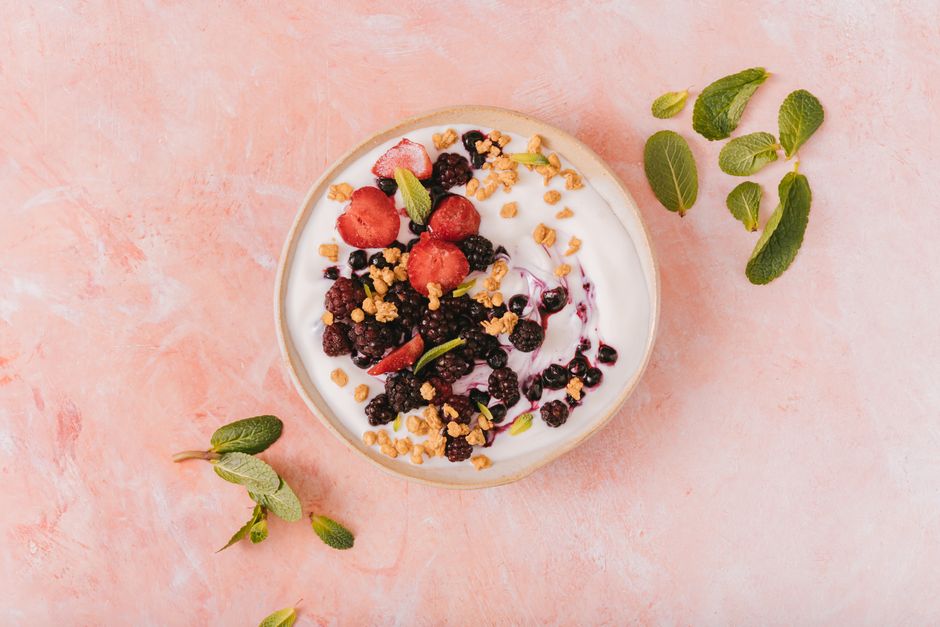
Probiotics and prebiotics do different things for your gut, and neither is “better” in a general sense. Probiotics are live bacteria that add to the microbes already in your digestive system. Prebiotics are types of fiber that feed the good bacteria already living there. For most people, a combination of both is what actually supports gut health. The key is knowing when each one matters and what the research really says about how they work.
What Is the Difference Between Probiotics and Prebiotics?
Probiotics are live microorganisms. When you take them in adequate amounts, they can provide a health benefit. You find them in fermented foods like yogurt, kefir, sauerkraut, and kimchi. You also find them in supplement capsules and powders.
Prebiotics are not alive. They are types of plant fiber that your body cannot digest. Instead, they travel to your lower gut where resident bacteria feed on them. Common prebiotic fibers include inulin, fructooligosaccharides (FOS), and galactooligosaccharides (GOS). Foods like garlic, onions, bananas, oats, and asparagus are natural sources.
The simplest way to think about it: probiotics are the seeds you plant. Prebiotics are the fertilizer that helps the seeds grow. Neither works as well without the other in most real-world situations.
What Does the Research Actually Show About Each One?
Research on probiotics has been mixed. A 2020 review in the journal Cell found that probiotic supplements helped some people but had little to no effect on others. The difference came down to whether a person’s existing gut microbiome allowed the new bacteria to settle. Many studies show probiotics can reduce antibiotic-associated diarrhea. The CDC reports that about 1 in 5 people on antibiotics develop diarrhea, and certain probiotic strains like Lactobacillus rhamnosus GG and Saccharomyces boulardii have solid evidence for reducing that risk.
Prebiotic research is more consistent but less dramatic. A 2019 study in Nutrients found that prebiotic fiber increased levels of beneficial Bifidobacterium in the gut within a few weeks. The effect was reliable across different age groups. Prebiotics also produce short-chain fatty acids like butyrate, which feed the cells lining your colon. The American Gastroenterological Association notes that prebiotics have strong evidence for improving stool consistency and frequency in people with constipation.
Some people report bloating from prebiotics. This is common when starting too fast or taking too much. The bacteria produce gas as they ferment the fiber. This is normal but can be uncomfortable.
Is Probiotic Or Prebiotic Better For Your Gut Depending on Your Condition?
If you are taking antibiotics, probiotics have the strongest evidence. The Cochrane Database of Systematic Reviews analyzed 33 studies and found that probiotics reduced the risk of antibiotic-associated diarrhea by about 50 percent. No prebiotic study shows that level of protection for this specific situation.
For constipation, prebiotics have better evidence overall. A 2017 review in the World Journal of Gastroenterology found that prebiotic fiber increased stool frequency by an average of 1.5 bowel movements per week. Probiotics for constipation have weaker and less consistent results.
For general digestive health in people with no specific condition, the evidence favors prebiotics from food sources. The reason is simple: prebiotics feed your native bacteria, which are already adapted to your body. Probiotics from supplements are often strains that do not permanently colonize the gut. They pass through within a few days.
For inflammatory bowel conditions like ulcerative colitis, some probiotic strains show benefit. A 2021 study in Gastroenterology found that a specific multi-strain probiotic reduced relapse rates by about 20 percent. Prebiotics have less evidence in this area and can actually worsen symptoms in some people with IBD because of increased gas production.


How Should You Choose Between Probiotics and Prebiotics?
Start with food sources before supplements. This is the consensus position from the International Scientific Association for Probiotics and Prebiotics. Fermented foods like yogurt with live cultures, kefir, and fermented vegetables provide probiotics with a food matrix that may improve survival of the bacteria through the stomach.
Prebiotic foods are easier to add. Eat a clove of raw garlic in a salad dressing. Add half a banana to oatmeal. Cook onions into sauces. These small changes add up without the bloating that concentrated prebiotic powders can cause.
| Factor | Probiotic | Prebiotic |
|---|---|---|
| Best for antibiotic recovery | Strong evidence | No evidence |
| Best for constipation | Weak evidence | Moderate evidence |
| Best for general gut health | Mixed evidence | Moderate evidence |
| Risk of bloating | Low | Moderate |
| Permanent colonization | Rare | Not applicable |
If you do choose supplements, check the strain. Not all probiotics are the same. Lactobacillus rhamnosus GG, Bifidobacterium lactis BB-12, and Saccharomyces boulardii are among the most studied strains. For prebiotic supplements, start with 2-3 grams per day and increase slowly over two weeks. Jumping to 10 grams on day one will almost certainly cause gas and cramping.
Common Misconceptions About Probiotics and Prebiotics
One widespread claim is that probiotics “restore” your gut after a bad diet. There is no clinical evidence that a probiotic supplement can undo the effects of a poor diet. The gut microbiome shifts within days based on what you eat, but a single supplement cannot override a pattern of low fiber and high processed food intake.
Another myth is that more colony-forming units (CFUs) means a better product. Research published in Frontiers in Microbiology found that survival through the stomach matters more than the starting dose. A product with 10 billion CFUs that cannot survive stomach acid is less useful than one with 1 billion CFUs that does.
Some people believe you need to take probiotics daily forever. This is not supported by evidence. For short-term situations like antibiotic use, a few weeks is enough. For general health, cycling off probiotics for a month has not been shown to cause any harm or loss of benefit.
A final misconception is that all fermented foods contain probiotics. Many commercial pickles, sauerkraut, and yogurt are pasteurized after fermentation. Pasteurization kills the live bacteria. Look for “live cultures” or “unpasteurized” on the label if you want the probiotic benefit.
What Should You Avoid When Trying to Improve Gut Health?
Avoid products that list “proprietary blend” without specific strains and amounts. The FDA does not regulate supplements the same way it regulates drugs. A 2022 investigation by the Journal of the American Medical Association found that about 40 percent of probiotic supplements tested did not contain the strains listed on the label.
Avoid taking probiotics with hot foods or drinks. Heat above 120 degrees Fahrenheit kills most bacterial strains. If you add a probiotic powder to oatmeal or coffee, let it cool first. Some people report that refrigerated probiotics are more reliable because temperature fluctuations degrade live bacteria over time.
Avoid high-dose prebiotic powders if you have irritable bowel syndrome. The standard advice is to start with food sources instead. A 2018 study in Gastroenterology found that about 70 percent of IBS patients reported worsened bloating with concentrated prebiotic supplements. The same fibers from food sources caused fewer symptoms because they enter the gut more slowly.
- Check labels for specific strains and CFU counts. Avoid blends that hide amounts.
- Start prebiotic foods one at a time. Add garlic one week, onions the next. This helps you identify what causes gas.
- Do not take probiotics with antibiotics at the exact same time. Space them by at least two to three hours so the antibiotic does not kill the probiotic.
- Store probiotics according to package directions. Some need refrigeration. Some are shelf-stable. Both are fine if stored correctly.
Frequently Asked Questions
Can I take probiotics and prebiotics together?
Yes. They work together and are often sold as synbiotic supplements. Taking both at the same time is safe for most people.
How long does it take for probiotics to work?
Most studies show effects within one to two weeks for specific issues like antibiotic diarrhea. For general gut health, noticeable changes may take three to four weeks.
Do prebiotics cause weight gain?
No. Prebiotics are fiber and contain very few calories. Some studies suggest they may help with weight management by increasing fullness and feeding beneficial bacteria.
Are probiotic supplements better than probiotic foods?
Not for most people. Foods like yogurt and kefir provide additional nutrients and a food matrix that helps bacteria survive digestion. Supplements are useful when you need a specific strain for a specific condition.
