
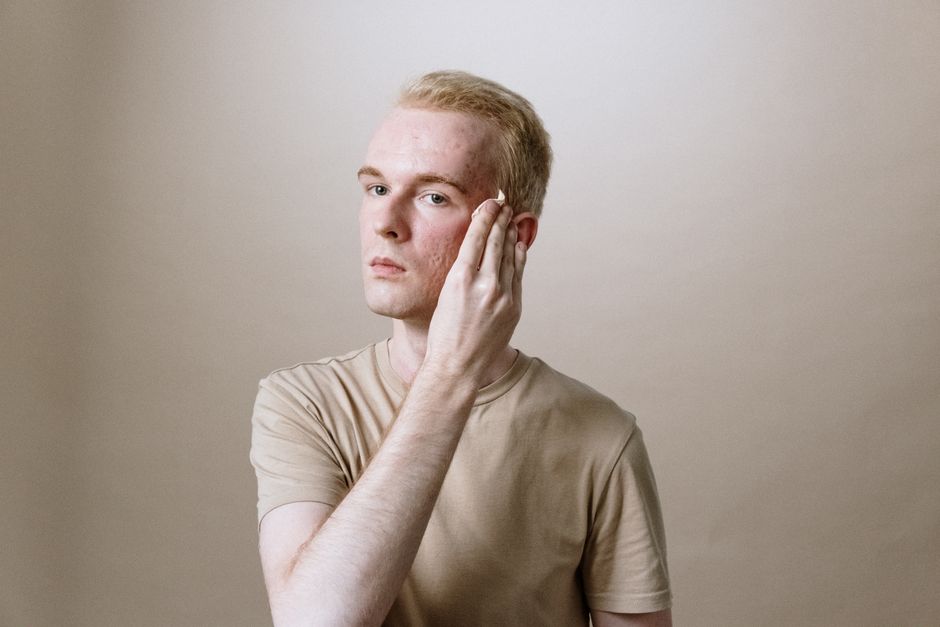
Proactiv is one of the most recognized acne treatment brands in the United States, largely because of decades of celebrity-endorsed infomercials and social media marketing. The honest answer to whether it works is: it can help mild to moderate acne, because its core ingredients are standard acne medications that have real evidence behind them. But the “system” format, the subscription model, and the marketing claims deserve a closer look before you decide if it is right for your skin.
What Is Actually Inside Proactiv Products?
Proactiv is not one product. It is a multi-step skincare system, and the formulas have changed over the years. The classic three-step system historically centered on three ingredients:
- Benzoyl peroxide — an antibacterial agent that reduces acne-causing bacteria on the skin and helps clear blocked pores. It is one of the most studied acne ingredients in existence.
- Salicylic acid — a beta-hydroxy acid that helps loosen dead skin cells inside pores. It is a standard over-the-counter acne treatment.
- A toner or smoothing lotion — historically this step contained glycolic acid, an alpha-hydroxy acid used for gentle exfoliation.
Newer Proactiv formulations have added other ingredients, including adapalene in some products. Adapalene is a retinoid that was once prescription-only and is now available over the counter. It has strong clinical evidence for treating acne.
The key point: the active ingredients in Proactiv are not unique or proprietary. Benzoyl peroxide, salicylic acid, and adapalene are available in many other products, often at lower cost. What Proactiv sells is a specific combination and routine, not a secret formula.
Does Benzoyl Peroxide Actually Clear Acne?
Yes. Benzoyl peroxide has been used to treat acne for decades and is supported by a large body of clinical research. It works in two main ways: it kills Cutibacterium acnes (the bacterium associated with acne), and it helps reduce inflammation inside pores.
An important detail many people miss: benzoyl peroxide does not cause bacterial resistance the way antibiotics do. That is why it is often combined with topical antibiotics in clinical practice — the benzoyl peroxide helps prevent the bacteria from becoming resistant to the antibiotic.
Concentrations in over-the-counter products typically range from 2.5% to 10%. Here is something that surprises people: research has generally found that 2.5% benzoyl peroxide works about as well as higher concentrations, while causing less irritation. Higher percentages are not automatically better. Many dermatologists favor the lower end for this reason.
Benzoyl peroxide can bleach fabric. Towels, pillowcases, and clothing that touch treated skin may develop permanent bleach spots. This is a real practical drawback, not a minor footnote.
What Side Effects Can Proactiv Cause?
The side effects of Proactiv are largely the side effects of its active ingredients. They are common and usually manageable, but they are real.
- Dryness and peeling — especially in the first weeks of use. Benzoyl peroxide and salicylic acid both dry the skin.
- Redness and irritation — some people develop a mild burning or stinging sensation.
- Increased sun sensitivity — exfoliating acids can make skin more vulnerable to sunburn.
- Allergic contact dermatitis — a smaller number of people develop a true allergic reaction to benzoyl peroxide, with itching, swelling, or a rash. This requires stopping the product.
- Bleaching of fabrics — as noted above.
Most irritation is temporary and tends to improve as skin adjusts, but “purging” and irritation are not the same thing. Purging is a temporary worsening of acne that can happen when starting a retinoid. Irritation from harsh ingredients is a separate issue and may mean the product is too strong for your skin.
If you develop swelling, significant pain, or a spreading rash, stop using the product and speak with a healthcare provider.



Is Proactiv Good For Acne Results And Side Effects Compared To Other Treatments?
This is where the picture gets more nuanced. Proactiv can work for mild to moderate acne, particularly inflammatory acne with blackheads and whiteheads. Its ingredients are legitimate. But it is not clearly superior to other options, and it is often more expensive.
For mild acne, a single benzoyl peroxide product or a salicylic acid cleanser from a drugstore may achieve similar results at a fraction of the cost. For moderate to severe acne, over-the-counter products — including Proactiv — may not be enough. Prescription treatments such as topical retinoids, oral antibiotics, or isotretinoin are often needed, and these require a doctor’s evaluation.
One honest limitation: there is little published research directly comparing the Proactiv system head-to-head against other specific acne regimens. The evidence supports its ingredients, not the brand as a whole. That distinction matters.
Who Should Be Careful With Proactiv?
Certain groups should be cautious or consult a clinician first:
- People with sensitive or dry skin — the combination of benzoyl peroxide and exfoliating acids can be too harsh.
- Pregnant or breastfeeding women — salicylic acid and retinoids warrant a conversation with a doctor. No clinical guidelines support casual use of retinoids during pregnancy, and some retinoids are specifically advised against.
- People using other acne treatments — stacking multiple harsh products increases irritation risk.
- Anyone with severe, cystic, or scarring acne — this needs medical evaluation, not an over-the-counter system.
For children and adolescents, benzoyl peroxide and salicylic acid are commonly used, but a pediatrician or dermatologist should guide treatment. No universal dosing guidelines exist for very young children.
Is Proactiv Worth The Subscription Cost?
Proactiv is sold primarily through a subscription model, which means recurring charges. This is a business structure, not a clinical one. The same active ingredients are widely available without a subscription.
If you like the convenience of a pre-built routine and it works for your skin, that has value. If cost is a concern, comparable drugstore options exist. The decision is practical, not medical.
One useful approach: try a single benzoyl peroxide product first. If your skin tolerates it and improves, you have learned something useful without committing to a full system.
What Actually Helps Acne, According To Evidence
Acne has multiple causes: excess oil production, clogged pores, bacteria, and inflammation. No single product addresses all four perfectly. Established approaches that have solid evidence include:
- Topical benzoyl peroxide for mild inflammatory acne
- Topical retinoids (adapalene, tretinoin) for comedonal and inflammatory acne
- Topical salicylic acid for mild acne and blackheads
- Prescription oral antibiotics for moderate to severe acne, usually short-term
- Isotretinoin for severe or treatment-resistant acne, under medical supervision
Consistency matters more than brand. Most acne treatments take several weeks to show results, and expecting overnight change leads people to abandon routines too early. This is true for Proactiv and for every other acne treatment.
What Most People Get Wrong About Acne Products
The biggest misconception is that stronger equals better. Higher concentrations of benzoyl peroxide do not reliably outperform lower ones and tend to irritate more. More steps in a routine do not guarantee better results either.
Another common error is quitting too soon. Acne treatments work gradually. Judging a product after a few days is not a fair test.
Finally, marketing and evidence are not the same thing. A product can be heavily advertised, celebrity-endorsed, and still be no more effective than a plain generic alternative with the same active ingredient. That is not a knock on Proactiv specifically — it applies across the skincare industry.
Frequently Asked Questions
Does Proactiv really work for acne?
It can help mild to moderate acne because its active ingredients — benzoyl peroxide and salicylic acid — have solid clinical evidence. It is not proven superior to other products containing the same ingredients.
What are the most common Proactiv side effects?
Dryness, peeling, redness, and irritation are the most common, especially early on. A smaller number of people develop an allergic reaction to benzoyl peroxide and should stop using it.
Can I use Proactiv if I have sensitive skin?
It may be too harsh, since it combines benzoyl peroxide with exfoliating acids. If you have sensitive skin, consider starting with a single lower-strength product and consulting a dermatologist.
Is Proactiv better than drugstore acne products?
No strong evidence shows it works better than similar drugstore products with the same active ingredients. The main differences are the routine format, the subscription cost, and the branding.
