
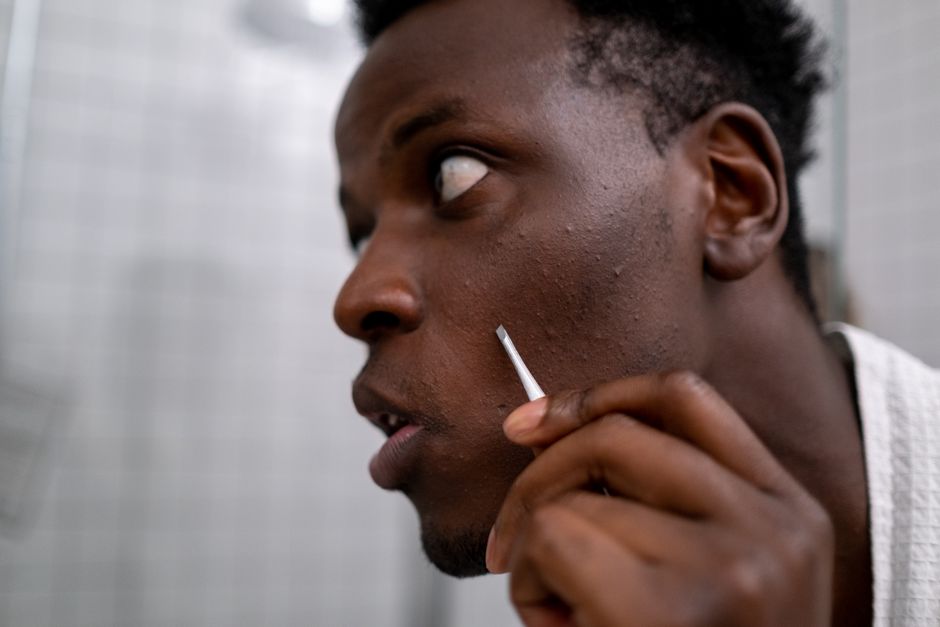
Black seed oil is a popular natural remedy for acne, but knowing how to use it correctly matters more than the oil itself. The most effective approach involves diluting the oil with a carrier oil, applying it as a spot treatment, or using a cleanser with a very low concentration. Results vary, but consistent use over several weeks is the only way to judge if it works for your skin. No clinical guidelines exist for acne treatment with black seed oil, and what works for one person may irritate another.
What Is Black Seed Oil and Why Is It Linked to Acne?
Black seed oil comes from the seeds of Nigella sativa, a plant native to parts of Asia and the Middle East. The oil contains thymoquinone, a compound studied for its anti-inflammatory and antimicrobial properties. These two properties are why people associate it with acne.
Acne involves blocked pores, excess oil, and bacteria called Cutibacterium acnes. Inflammation makes pimples red and swollen. Because thymoquinone appears to calm inflammation and fight certain bacteria in laboratory studies, researchers have looked at whether black seed oil could help acne.
Some research suggests that topical products containing black seed oil may reduce acne lesions. However, most studies are small, and the formulations tested are not the same as the pure oil you buy at a health food store. The evidence is promising but far from conclusive.
How To Use Black Seed Oil For Acne Methods Results
The method you choose depends on your skin type and how your skin reacts. There is no single approved protocol. Here are the most common approaches used by people who report success.
Diluted spot treatment. Mix one drop of black seed oil with three to four drops of a carrier oil like jojoba, rosehip, or squalane. Apply this only to active pimples using a clean cotton swab. Leave it on for 20 to 30 minutes, then rinse. This method limits irritation because the oil is not left on overnight.
Overnight treatment. Some people apply a diluted mixture to their entire face before bed. This carries a higher risk of clogged pores or irritation. Start with a very low concentration — one drop of black seed oil in a full teaspoon of carrier oil. Wash your face in the morning with a gentle cleanser.
Mixed into your moisturizer. Add one drop of black seed oil to your regular moisturizer and apply as usual. This is the gentlest method. It spreads the oil thinly across the skin, reducing the chance of irritation. It also makes it easy to stop if your skin reacts badly.
As a cleanser additive. Add a drop to your facial cleanser in your palm before washing. This method is convenient but may not deliver enough oil to the skin for a noticeable effect.
Consistency matters. Acne treatments rarely work overnight. If you plan to try black seed oil, commit to using it daily for at least four to six weeks before judging results. Stop immediately if you develop redness, burning, or breakouts that get worse.
What Concentration Is Safe for Skin?
No official safety guidelines exist for black seed oil on human skin. The studies that have examined it used formulated products, not pure oil. The concentration in those products was typically low.
Pure black seed oil is potent. Applying it undiluted to your face is not recommended. The risk of irritation, contact dermatitis, and clogged pores is real. The skin on your face is thinner and more sensitive than the skin on your body.
A safe starting point is a 5% to 10% dilution. That means one drop of black seed oil mixed with nine to nineteen drops of carrier oil. If your skin tolerates that well after a week, you can try a slightly stronger mix. But stronger is not better. Irritated skin produces more oil, which can make acne worse.
If you have sensitive skin, eczema, or rosacea, be especially cautious. Black seed oil is not a gentle ingredient. Patch test on your inner forearm for 24 hours before applying it to your face.





Does Black Seed Oil Actually Work for Acne?
The honest answer is that the evidence is limited. Some small studies have shown that gels or creams containing black seed extract can reduce acne lesions compared to a placebo. But these products are not the same as pure oil, and the studies are not large enough to be definitive.
Laboratory research shows that thymoquinone has antibacterial effects against C. acnes and anti-inflammatory properties. This biological plausibility explains the interest. But biological plausibility is not the same as proven clinical benefit.
No large human trials have confirmed that black seed oil alone clears acne. Some dermatologists recommend it as an adjunct to standard care, not as a replacement. If you have mild acne, it may be worth trying alongside a consistent cleansing routine. If you have moderate to severe acne, see a dermatologist. Prescription treatments have far stronger evidence behind them.
One thing is clear: black seed oil is not a cure. No natural oil is. Anyone selling it as a guaranteed acne solution is overstating the evidence.
What Are the Risks and Side Effects?
Black seed oil can irritate skin. Redness, stinging, and dryness are the most common side effects when applied topically. Some people develop contact dermatitis, which looks like a red, itchy rash.
The oil is comedogenic for some people. That means it can clog pores and cause more breakouts. This is individual — some skin types tolerate oils well, others do not. There is no way to predict your reaction without trying it.
Do not eat black seed oil in large amounts. Ingesting it can cause stomach upset, and very high doses may be toxic. If you are considering oral use, talk to a doctor first. Pregnant women should avoid consuming black seed oil because of potential effects on the uterus.
If you take blood thinners or medication for diabetes, check with your doctor before using black seed oil in any form. It may interact with these drugs.
How Long Before You See Results?
Skin cell turnover takes about 28 days. Acne treatments, whether prescription or natural, need at least this long to show visible change. Some people report improvement in two to three weeks. Others see no change after two months.
If black seed oil is going to help, you should notice fewer new pimples and less redness by week four to six. If your skin is worse by week two, stop. Irritation will not resolve into clear skin if you push through it.
Track your skin with photos. Take a picture in the same lighting every week. This gives you an objective record that memory cannot distort.
Frequently Asked Questions
Can I put black seed oil directly on my face?
No, applying undiluted black seed oil to your face is not recommended because it can cause irritation and clogged pores. Always dilute it with a carrier oil or mix it into your moisturizer.
How often should I use black seed oil for acne?
Most people use it once daily, either in the morning or at night, for four to six weeks to judge results. If you notice irritation, reduce frequency to every other day or stop entirely.
Is black seed oil better than benzoyl peroxide for acne?
No, benzoyl peroxide has decades of clinical evidence supporting its effectiveness, while black seed oil does not. Black seed oil may be a gentler option for some, but it is not a proven replacement for standard acne treatments.
Can black seed oil make acne worse?
Yes, it can. The oil may clog pores in some people, and irritation from the oil can trigger more breakouts. Stop using it if your acne worsens within the first two weeks.
