
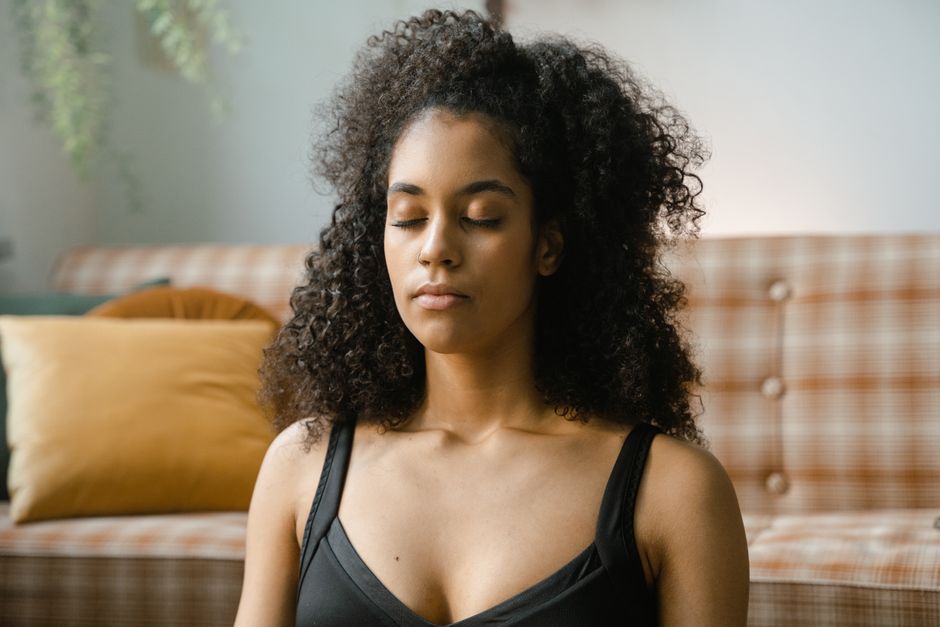
Hair relaxers are chemical treatments that permanently straighten curly or coily hair by breaking the protein bonds inside each strand. They work by altering the hair’s internal structure, which is why the results last until new hair grows in. While relaxers are effective at straightening, they also carry real risks including hair breakage, scalp burns, and hair loss that every person should understand before using one.
How Do Hair Relaxers Actually Work?
Relaxers work by breaking disulfide bonds. These are the chemical links that give hair its natural curl pattern. When these bonds break, the hair loses its shape and can be re-formed into a straighter style.
Most relaxers use a strong alkali, usually sodium hydroxide or calcium hydroxide, to do this. The chemical opens the outer layer of the hair, called the cuticle, and penetrates into the cortex where the bonds live. Once the bonds are broken, a neutralizing shampoo stops the chemical process and helps rebuild new bonds in the straightened position.
This is not a temporary change. The structure of the hair is permanently altered. The only way to return to natural curls is to grow out the treated hair and cut it off.
What Does A Relaxer Do To Curly Hair Risks Effects
The most immediate effect of a relaxer is straightening. But the process also damages the hair in ways that range from mild to severe depending on the product, the technique, and the condition of your hair before treatment.
Relaxers strip the hair of its natural oils and moisture. Curly and coily hair is already prone to dryness because natural oils have a harder time traveling down the curved shaft. A relaxer makes this worse by lifting the cuticle and leaving the hair exposed. The result is often dry, brittle hair that snaps easily.
Overlapping is a common problem. When a relaxer is applied to hair that has already been treated, it breaks down already-weakened bonds even further. This can cause the hair to break off at the scalp line, especially around the edges and crown. This type of breakage is sometimes mistaken for hair loss because the hair appears thinner and shorter.
Scalp burns are another known risk. Relaxers are strong chemicals designed to break down protein. The scalp is living tissue. If the product sits too long, is applied to irritated skin, or is left on sensitive areas, it can cause chemical burns. These burns can damage hair follicles and, in severe cases, lead to permanent hair loss in that area.
What Are the Long-Term Risks of Using Relaxers?
The long-term picture is more concerning than the immediate effects. Repeated relaxer use over years can lead to chronic hair thinning and a condition called traction alopecia when combined with tight hairstyles. The hair becomes weaker with each treatment, and the scalp may develop scar tissue in areas that are repeatedly burned or irritated.
There is also the question of hormonal effects. Some relaxers contain ingredients called phthalates and parabens, which are chemicals that can interfere with the body’s hormone systems. Research on this is still developing, but some studies have raised questions about whether long-term use of these products is linked to health issues. The evidence is not conclusive, but it is enough to warrant caution.
The most serious concern involves a class of chemicals called formaldehyde-releasers. Some relaxers release small amounts of formaldehyde as they break down. Formaldehyde is classified as a known human carcinogen. The levels in relaxers are generally low, but the exposure adds up over years of regular use. Some research suggests a possible link between frequent relaxer use and certain health conditions, though no study has established a direct cause-and-effect relationship.



Who Should Avoid Hair Relaxers?
Certain groups of people face higher risks and should think carefully before using a relaxer.
- Pregnant women should avoid relaxers. No clinical guidelines confirm that relaxers are safe during pregnancy, and the hormonal changes of pregnancy can make the scalp more sensitive and the hair behave unpredictably.
- People with sensitive skin, eczema, or psoriasis should avoid relaxers because the chemicals can severely irritate already-compromised skin.
- People with fine or damaged hair should not use relaxers. The chemical process will likely cause significant breakage.
- People with open cuts, sores, or recent scalp treatments should wait until the skin is fully healed.
If you have any doubt about whether your scalp is healthy enough, a dermatologist can assess your hair and skin before you commit to a chemical treatment.
How Can You Reduce the Risks If You Choose to Relax?
If you decide to use a relaxer, there are steps that can lower the chances of damage. These do not eliminate the risk, but they reduce it.
Always do a patch test 48 hours before the full application. Apply a small amount of the product behind your ear or on your inner arm and watch for redness, itching, or burning. If any reaction appears, do not use the product.
Go to a licensed professional rather than doing it at home. A professional can assess your hair type, apply the product evenly, and time the process correctly. Home applications are more likely to result in overlapping, uneven application, and accidental scalp contact.
Do not relax hair that has been colored, bleached, or previously relaxed. Each chemical treatment weakens the hair further. Combining them increases the risk of severe breakage dramatically.
Follow the neutralization step exactly. Skipping or rushing the neutralizer leaves the chemical process active, which can continue damaging the hair for days after the treatment.
Moisturize consistently after relaxing. Use deep conditioning treatments weekly and avoid heat styling when possible. Relaxed hair needs more moisture than natural hair, not less.
What Are the Alternatives to Chemical Relaxers?
If you want straighter hair without the chemical damage, there are alternatives. Each has its own trade-offs.
Heat styling with a flat iron gives temporary straightening that lasts until the next wash. The risk here is heat damage, which can also cause breakage if done too frequently or at too high a temperature. Using a heat protectant and keeping the temperature moderate reduces but does not eliminate this risk.
Brazilian blowouts and keratin treatments smooth the hair and reduce curl. These treatments often contain formaldehyde or formaldehyde-releasing chemicals, so they carry similar exposure concerns to relaxers. They also require repeat applications every few months to maintain results.
Wash-and-go styles that embrace natural curls require no chemicals and no heat. This is the safest option for hair health. It does require learning how to care for curly hair properly, including using the right products and techniques to retain moisture and define curls.
Wigs, weaves, and braids offer another option. These allow you to change your look without chemically altering your own hair. The risk is traction alopecia if the styles are worn too tight or for too long.
How Do You Know If a Relaxer Has Damaged Your Hair?
Damage is not always obvious immediately. Some signs appear within days, others take weeks.
Excessive shedding is a warning sign. Some hair fall is normal, but if you are losing clumps of hair when you comb or wash, that is not normal. Elasticity is another indicator. Healthy hair stretches slightly and returns to its original length. Damaged hair stretches and then snaps rather than returning.
A gummy or mushy texture when wet is a serious sign. This means the hair’s protein structure has broken down significantly. Hair in this condition needs immediate professional attention, not more product.
Scalp pain, redness, or blistering after a relaxer application requires medical evaluation. Do not wait to see if it improves on its own. Chemical burns can worsen and lead to infection or permanent follicle damage.
Frequently Asked Questions
Frequently Asked Questions
Can a relaxer make your hair fall out permanently?
Yes, in severe cases. Chemical burns that damage the hair follicles can cause permanent hair loss in the affected areas.
How long does a relaxer last?
A relaxer lasts until new hair grows in, which is typically 6 to 8 weeks before regrowth becomes visible at the roots.
Is it safe to relax hair while pregnant?
No clinical guidelines confirm that relaxers are safe during pregnancy, and the scalp may be more sensitive due to hormonal changes.
Can you go back to natural curls after relaxing?
No, the relaxed hair cannot revert to its natural curl pattern. You must grow out the treated hair and cut it off to return to natural curls.
