
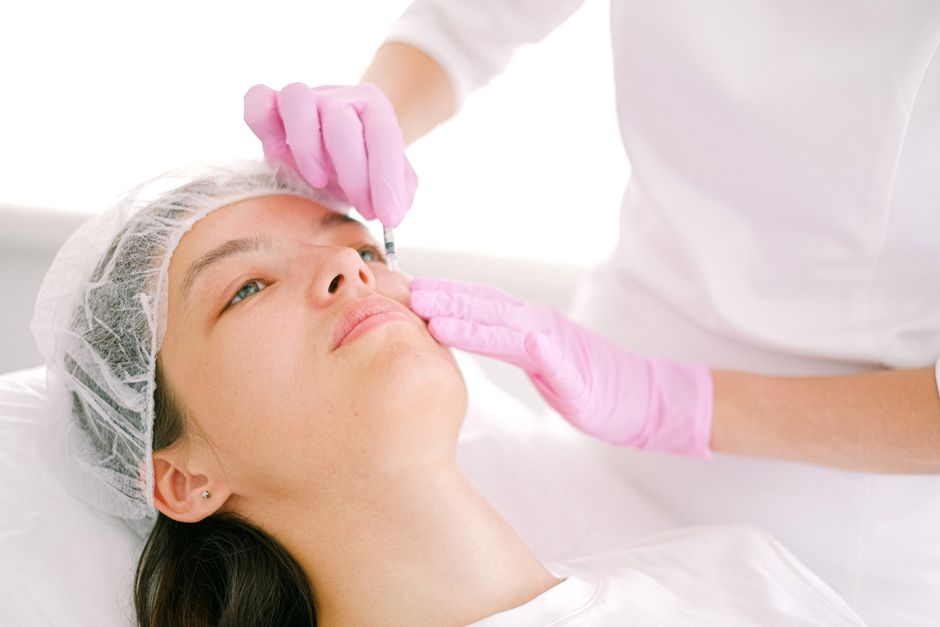
Skin needling, also called microneedling, is a procedure where tiny needles puncture the top layer of your skin. This controlled injury triggers your body to produce more collagen and elastin. The main benefits are smoother texture, reduced scars, and firmer skin. Results appear gradually over weeks as new collagen builds up. Recovery is usually quick — redness for 1-3 days, with full healing in about a week.
What exactly happens to your skin during a needling session?
A device with very fine needles creates thousands of microscopic channels in your skin. These are so small you cannot see them individually. The depth of the needles varies depending on what you are treating. Shallow needling targets texture and tone. Deeper needling reaches scars and wrinkles.
The skin interprets these tiny injuries as damage it needs to repair. This kicks off a wound healing response. Blood flow increases to the area. Cells called fibroblasts get activated. These cells produce fresh collagen and elastin — the proteins that keep skin firm and springy.
This process is not immediate. The collagen remodeling continues for weeks after a single session. That is why you do not see the full results right away.
What are the proven benefits of skin needling?
Research consistently shows that skin needling improves several skin concerns. The strongest evidence is for acne scars. Multiple studies have found significant improvement in atrophic acne scars — the depressed or pitted kind. Results are often comparable to laser treatments with fewer side effects.
Skin needling also helps with surgical scars and stretch marks. The mechanism is the same — collagen remodeling fills in the depressed tissue over time. Some people also report improvement in fine lines and large pores. The evidence for these uses is somewhat weaker but still promising.
One less obvious benefit is better absorption of skincare products. The micro-channels created during needling allow topical ingredients to penetrate deeper into the skin. This is why many providers apply serums during or right after the procedure. Vitamin C, hyaluronic acid, and growth factors are common choices.
What skin needling does not do is tighten loose skin significantly. Some minor tightening can happen from new collagen. But if you have moderate to severe skin laxity, a facelift or other surgical procedure will give much more dramatic results. Needling is not a replacement for surgery.
What results can you realistically expect?
Most people need 3 to 6 sessions spaced about 4 weeks apart to see meaningful change. The first session primes the skin. Real improvement typically starts showing after the second or third treatment. Results continue to improve for several months after your last session.
For acne scars, studies consistently show 50 to 75 percent improvement after a full course of treatments. That is significant but not complete clearance. Some scars may soften and flatten. Others may remain visible but less noticeable.
For fine lines and overall texture, the results are more subtle. Your skin may look smoother and more even. But needling will not erase deep wrinkles or dramatically change your facial structure. It improves what is already there.
Results are not permanent. Your body continues to age and break down collagen naturally. Maintenance treatments every 6 to 12 months help sustain the improvement. Without maintenance, your skin will gradually return to its untreated state over 1 to 2 years.




What does recovery look like after skin needling?
Immediately after treatment your skin looks red and feels warm — similar to a moderate sunburn. This redness lasts 24 to 72 hours for most people. Deeper needling can cause redness for up to a week. You may also have some pinpoint bleeding or bruising if deeper needles were used.
Your skin will feel tight and slightly rough for a few days. Tiny scabs may form at the needle sites but they are barely visible. Do not pick at them. Let them fall off naturally.
You can wash your face gently with water starting the same night. But avoid active ingredients like retinol, acids, or vitamin C for at least 48 hours. Use only gentle cleanser and moisturizer during the healing window. Sun protection is critical — your skin is more vulnerable to UV damage for about a week after treatment.
Makeup can usually be worn the next day if your skin is not too sensitive. But mineral makeup is better than liquid foundations which can introduce bacteria into the micro-channels. Most people return to normal activities within 24 hours. The redness is the main social inconvenience.
How does skin needling compare to other treatments?
Laser resurfacing is the main alternative. Both stimulate collagen but through different mechanisms. Lasers use heat. Needling uses physical punctures. For darker skin tones, needling is generally safer because it does not carry the same risk of hyperpigmentation that lasers do.
Chemical peels remove the outer layer of skin. They are good for surface texture and pigmentation. But they do not penetrate deeply enough to remodel scars the way needling does. Peels and needling can complement each other but treat different layers of the skin.
Dermal fillers fill in scars and wrinkles immediately. The results are instant but temporary — typically 6 to 18 months. Needling works more slowly but stimulates your own tissue to fill in over time. Some people combine both approaches for faster and longer-lasting results.
Here is a comparison of the main options for treating acne scars and texture:
| Treatment | How it works | Downtime | Number of sessions | Best for |
|---|---|---|---|---|
| Skin needling | Collagen stimulation through micro-injuries | 1-3 days redness | 3-6 | Acne scars, texture, mild laxity |
| Fractional laser | Heat damage to stimulate collagen | 3-7 days redness | 3-5 | Scars, wrinkles, sun damage |
| Chemical peel | Chemical exfoliation of skin layers | 0-7 days depending on depth | 3-6 | Surface texture, pigmentation |
| Dermal fillers | Volume replacement under scars | Minimal | 1-2 | Deep individual scars |
What are the risks and side effects?
Skin needling is generally safe when done properly. The most common side effects are temporary redness, swelling, and mild discomfort. These resolve on their own within days.
Infection is possible if equipment is not sterile. Needles create open channels into your skin. Bacteria can enter if the device is contaminated or if you do not keep the treated area clean. Always ensure your provider uses single-use sterile needles.
Cold sores can be triggered if you have the herpes simplex virus. The trauma of needling can reactivate the virus. If you are prone to cold sores, your provider may prescribe antiviral medication before treatment.
Hyperpigmentation or hypopigmentation are possible but much less common than with lasers. The risk is higher in darker skin tones. A skilled provider will adjust needle depth and technique to minimize this risk.
Scarring from needling is rare but possible. It usually happens when the treatment is too aggressive or when the skin does not heal properly. Do not push for deeper needling than your provider recommends.
Who should avoid skin needling?
People with active acne infections should wait until the infection clears. Needling over active pimples can spread bacteria and worsen breakouts. The same applies to any open wounds, cuts, or rashes on the treatment area.
Pregnant or breastfeeding women are generally advised to avoid skin needling. There is no evidence of harm, but the hormonal changes of pregnancy can make skin heal unpredictably. Most providers err on the side of caution.
People on blood thinners or with bleeding disorders should consult their doctor first. Needling causes minor bleeding. While usually not a problem, it can be more significant if your blood does not clot normally.
Anyone with a history of keloid scarring should be cautious. The controlled injury from needling could potentially trigger excessive scar formation. Discuss this thoroughly with your provider before proceeding.
Frequently Asked Questions
How many skin needling sessions do I need for acne scars?
Most people need 3 to 6 sessions spaced 4 weeks apart for noticeable improvement in acne scars. Deeper scars may require more sessions.
Does skin needling hurt?
A topical numbing cream is applied before treatment so most people feel minimal pain. You may feel a light scratching or pricking sensation during the procedure.
Can I do skin needling at home?
At-home devices use shorter needles and are much less effective than professional treatments. They also carry a higher risk of infection if not used with strict hygiene.
How long do skin needling results last?
Results last 1 to 2 years with maintenance treatments every 6 to 12 months. Without maintenance your skin gradually returns to its untreated state as natural aging continues.
