
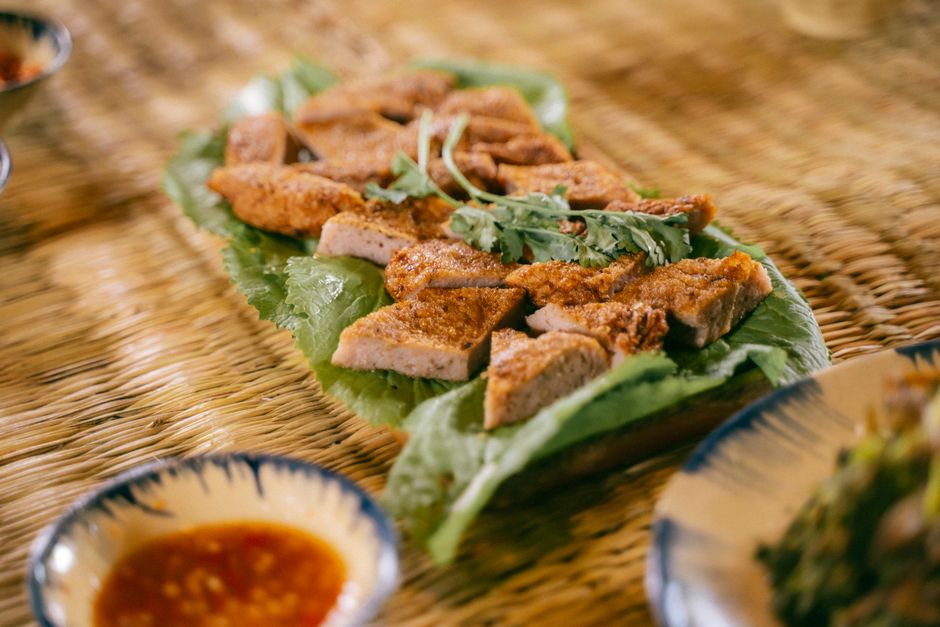
Pork belly is a cut of meat taken from the underside of the pig, and it is the same cut that bacon is sliced from. Because of its high fat content, it is often singled out as an unhealthy food choice. The direct answer is that pork belly is not inherently toxic or dangerous, but it is one of the most calorie-dense and fat-heavy cuts of meat available, which means eating it regularly in large portions can contribute to weight gain and elevated cholesterol levels. The real issue is not the pork itself but the quantity and frequency with which it is consumed, as well as how it is prepared.
What Is Pork Belly Nutritionally?
Pork belly is composed of alternating layers of meat and fat. This structure gives it a very high fat content compared to other cuts like pork loin or tenderloin. The fat is primarily made up of saturated and monounsaturated fatty acids.
Nutritionally, pork belly provides a significant amount of protein, B vitamins, and minerals like zinc and selenium. However, the calorie count is substantially higher than leaner cuts because fat contains more than twice the calories per gram than protein or carbohydrates. A serving of pork belly contains roughly the same amount of protein as a lean pork chop, but it carries several times the fat and calories.
The exact numbers vary based on preparation and whether the skin is left on, but the core nutritional profile remains consistent: pork belly is a high-fat, high-calorie food that still delivers a solid protein punch.
Is Pork Belly Bad For Your Heart Health?
The saturated fat content in pork belly is the primary concern for cardiovascular health. Diets high in saturated fat can raise low-density lipoprotein (LDL) cholesterol, which is the type associated with an increased risk of heart disease and stroke. Research consistently shows that replacing saturated fats with unsaturated fats, like those found in olive oil or nuts, is more beneficial for heart health than simply reducing total fat intake.
That said, eating pork belly occasionally does not automatically cause heart disease. The effect of any single food depends on your overall dietary pattern. A person who eats a diet rich in vegetables, whole grains, and lean proteins can likely include small amounts of pork belly without significantly impacting their cardiovascular risk. The danger arises when high-fat meats like pork belly become a staple rather than a treat.
Preparation method also matters. Pan-frying pork belly in additional oil or butter adds more fat to an already fatty cut. Roasting or braising it without added fats is a less calorie-dense way to prepare it.
How Much Pork Belly Can You Eat Safely?
There is no official clinical guideline that specifies a safe serving size for pork belly specifically. Dietary recommendations generally advise limiting saturated fat to less than 10% of your total daily calories. For a person eating 2,000 calories per day, that equals about 22 grams of saturated fat.
Because pork belly is roughly 40-50% fat by weight, a modest 3-ounce serving can contain a substantial portion of that daily saturated fat allowance. This does not mean you cannot eat it. It means you should account for it in your overall daily intake. If you eat pork belly for dinner, you should likely choose lower-fat foods for your other meals that day.
For most healthy adults, an occasional serving of pork belly is unlikely to cause measurable harm. The problem is portion creep. Restaurant portions of pork belly are often much larger than a standard serving size, which can easily push a single meal well past recommended saturated fat limits.




Is Pork Belly Worse Than Bacon?
Pork belly and bacon come from the same cut of meat, but they are not identical. Bacon is pork belly that has been cured and typically smoked. The curing process adds sodium and often sugar, along with preservatives like nitrates and nitrites.
In terms of fat content, raw pork belly and bacon are similar. However, bacon is usually cooked until crisp, which renders out a significant amount of fat. This means the bacon you actually eat may contain less fat than an equivalent weight of cooked pork belly that retains its fat layers. The trade-off is that bacon contains much higher sodium and additives, which carry their own health concerns.
Neither is a health food. Pork belly is the more calorie-dense choice if eaten in equal cooked weights, while bacon introduces processed meat concerns. The World Health Organization has classified processed meats as carcinogenic to humans, meaning regular consumption increases cancer risk. Fresh pork belly is not classified this way, though cooking it at very high temperatures can produce heterocyclic amines, which are also linked to cancer risk.
Does Pork Belly Fit Into A Healthy Diet?
Pork belly can fit into a balanced diet if you treat it as an occasional indulgence rather than a regular protein source. The Mediterranean diet, which is consistently associated with better heart health and longevity, emphasizes lean proteins, fish, and plant-based fats. Pork belly is not a staple in this eating pattern.
If you enjoy pork belly, consider how it is served. In many cuisines, pork belly is used in small amounts as a flavoring ingredient rather than as the main protein. Thin slices added to stir-fries, soups, or rice dishes provide the rich taste without the large calorie load of a thick slab. This approach allows you to enjoy the flavor while keeping saturated fat intake in check.
Pairing pork belly with fiber-rich vegetables and whole grains can also help moderate its effects. Fiber slows digestion and can help you feel full sooner, which may naturally limit how much pork belly you consume in one sitting.
Are There Any Health Benefits To Pork Belly?
Pork belly does provide some nutritional value beyond just calories. It is a good source of high-quality protein, which is essential for muscle maintenance and repair. It also contains B vitamins, particularly B12 and B6, which support nerve function and energy metabolism.
The fat in pork belly is not entirely harmful. About half of the fat content is monounsaturated, the same type found in olive oil and avocados. Monounsaturated fats are associated with improved cholesterol profiles when they replace saturated fats in the diet. However, this does not make pork belly a health food. The saturated fat content still outweighs the benefits for most people when consumed in large amounts.
Some research suggests that the oleic acid found in pork fat may have mild anti-inflammatory properties. But the evidence here is limited, and no credible health organization recommends eating fatty pork to obtain these compounds when healthier sources like olive oil or nuts provide them without the saturated fat load.
How Does Cooking Method Change The Health Impact?
How you cook pork belly significantly affects its health profile. Braising or slow-roasting allows some fat to render out and drip away. This reduces the final fat content of the meat you eat. Frying or sautéing, especially with added oil, locks in fat and adds more.
High-temperature cooking methods like grilling or searing can create heterocyclic amines and polycyclic aromatic hydrocarbons. These compounds have been linked to cancer risk in animal studies and observational research. Marinating meat before cooking and avoiding charring can reduce the formation of these compounds.
Removing the skin before eating also lowers the calorie content. The skin is almost pure fat and collagen. While it provides a crispy texture, it adds significant calories without much nutritional benefit beyond the fat itself.
Who Should Avoid Pork Belly Entirely?
People with existing heart disease, high cholesterol, or diabetes should be more cautious. For these individuals, the saturated fat in pork belly can meaningfully impact blood lipid levels and blood sugar control. A single large serving can raise triglycerides for several hours after the meal.
People who are actively trying to lose weight should also limit pork belly. It is extremely calorie-dense, meaning a small portion contains a large number of calories. It is easy to consume 500-700 calories in a single serving of pork belly without feeling particularly full.
Pregnant women should ensure pork belly is cooked to a safe internal temperature of 145°F with a three-minute rest time to eliminate any risk of parasitic infection. Undercooked pork can carry Trichinella, though this infection is now rare in commercial pork products.
Frequently Asked Questions
Is pork belly healthier than chicken?
No. Chicken breast is significantly leaner and lower in calories and saturated fat than pork belly. Pork belly contains more fat and calories per serving than almost any cut of chicken.
Can you eat pork belly on a low-carb diet?
Yes. Pork belly contains zero carbohydrates, so it fits within the macronutrient limits of a low-carb or ketogenic diet. However, its high saturated fat content still warrants moderation even in these eating patterns.
Is pork belly considered processed meat?
Fresh pork belly is not processed meat. It becomes processed only when it is cured or smoked, such as when it is made into bacon. Fresh pork belly does not carry the same cancer risk classification as processed meats.
How often can you eat pork belly?
There is no established clinical guideline for how often you can eat pork belly. Most dietary advice suggests treating it as an occasional food rather than a regular protein source, especially if you have cardiovascular risk factors.
