
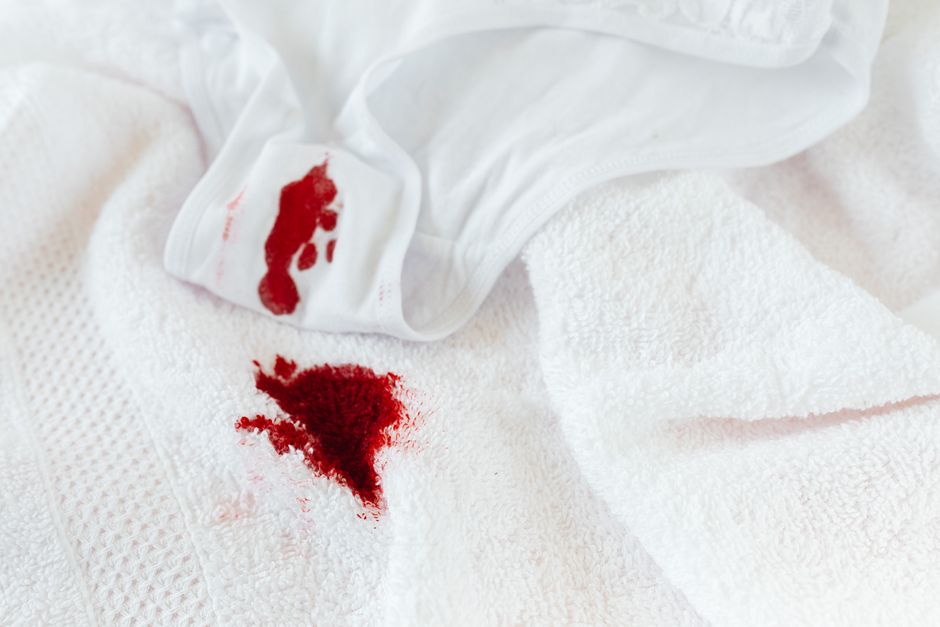
Period leaks can happen to anyone during the day or night. The most effective way to prevent them is to use the right product for your flow, change it on schedule, and add backup protection when needed. Understanding your body and planning for heavy days and overnight coverage can keep you comfortable and confident.
What causes period leaks?
Leaks happen when menstrual fluid escapes the product or when the product becomes saturated before you change it. Position matters — a pad that shifts or a tampon inserted at the wrong angle can leave gaps. Your flow rate changes throughout your period, so a product that works on a light day may not hold up on a heavy one.
Muscle movements during the day, coughing, sneezing, or even standing up can push fluid past the product. At night, lying down changes gravity and can cause pooling, especially if you sleep on your back or side.
How To Prevent Period Leaks During The Day And Night
Start by matching your product to your flow. For heavy days, use a high-absorbency tampon, menstrual cup, or disc. For lighter days, a regular pad or period underwear may be enough. Change your product on a schedule — every 4 to 6 hours on heavy days, even if it does not feel full. Set a reminder on your phone.
Position pads so the wings wrap firmly around the crotch of your underwear. For tampons, insert it deep enough so the string hangs just outside. If you use a cup, make sure it fully opens and creates a seal. For discs, tuck the rim behind your pubic bone.
At night, use a product designed for overnight wear. Overnight pads are longer and wider. Period underwear with high absorbency can replace or back up another product. Consider sleeping on your back with a towel underneath if you are prone to heavy overnight leaks.
Which period product is best for preventing leaks?
No single product is best for everyone. Tampons and pads are the most common, but menstrual cups and discs hold more fluid and create a seal that reduces leaks. Some studies suggest cups leak less than pads on heavy days. Period underwear can serve as a primary product on light days or as backup on heavy days.
Your choice depends on your flow, activity, and comfort. If you have never tried a cup or disc, practice inserting and removing it before your period starts. For heavy flow, consider combining a tampon or cup with a panty liner or period underwear for extra security.





How do you choose the right absorbency and size?
Most tampon boxes label absorbency as light, regular, super, or super plus. Use the lowest absorbency that handles your flow without leaking. If you bleed through a super tampon in less than two hours, you may need a higher absorbency or a different product. Pads also come in levels — choose a heavy overnight pad for nighttime if you bleed heavily.
Menstrual cups come in sizes based on flow and age. A larger size is often recommended for heavier flow or if you have given birth vaginally. Discs are one-size-fits-most but vary by brand. Check the manufacturer’s guidance.
Period underwear is sold in absorbency levels similar to pads. Look for listings that match light, moderate, or heavy flow. Do not rely on a single pair for a full day if your flow is heavy — change to a fresh pair or add a backup product.
How often should you change your period product?
Most health organizations recommend changing a pad or tampon every 4 to 8 hours. On heavy days, change more often — every 3 to 4 hours — to prevent leaks and reduce the risk of infection. Menstrual cups can be emptied every 8 to 12 hours, but on heavy days you may need to empty it every 4 to 6 hours. Discs typically last up to 12 hours.
Change products before they feel full. If you notice the pad getting damp or the tampon string getting wet, it is time to change. For cups, a full cup will feel heavy and may start to slip. Empty it as soon as you notice.
What is the best strategy for overnight protection?
Use a product specifically made for overnight wear. Overnight pads are longer and have wider wings. Period underwear designed for heavy flow can hold several tampons worth of fluid. A menstrual cup or disc worn overnight provides a seal and holds enough fluid for most people. If you have a very heavy flow, set an alarm to empty the cup or change the pad once during the night.
Sleep position matters. Lying on your back can cause fluid to pool at the back of the pad. Lying on your side may cause side leaks. Try tucking the back of the pad higher up your underwear or using a pad with a longer back.
Place a dark towel or mattress protector under your sheet for extra peace of mind.
Can you combine products for extra security?
Yes. Many people use a tampon or cup together with a panty liner or period underwear as backup. This is especially useful on heavy days or during the first two nights of your period. The backup catches any fluid that bypasses the main product.
Do not wear two tampons at the same time — that increases the risk of toxic shock syndrome. Combining a tampon with a pad is safe. A menstrual cup with a thin pad is also safe and common.
What additional tips help reduce leaks?
Track your cycle so you know when heavy days are coming. Start using higher absorbency products a day before your period is due if you tend to start suddenly. Change products before you go to the bathroom — the act of sitting on the toilet can release a gush of fluid.
Wear snug-fitting underwear that holds the pad in place. Avoid thongs on heavy days because they do not hold pads well. For active days, use period underwear designed for exercise or a menstrual cup that stays in place during movement.
If you leak through the back of your pad at night, try a pad with a longer back or position it slightly further back. Some people find that sleeping in high-waisted underwear helps keep the pad aligned.
Frequently Asked Questions
Can period underwear prevent leaks overnight?
Yes, period underwear designed for heavy flow can hold several tampons’ worth of fluid and is effective overnight for many people. Choose a pair with high absorbency and a snug fit to prevent side leaks.
How do I stop leaking through my pad at night?
Use an overnight pad with a long back and wide wings, and position it further back in your underwear. Adding a menstrual cup or disc underneath a pad can provide complete overnight protection.
Is it safe to wear a tampon overnight?
It is safe to wear a tampon overnight as long as you do not exceed 8 hours. If you have a heavy flow, you may need to set an alarm to change it once during the night.
What is the best product for heavy flow?
Menstrual cups and discs hold the most fluid and form a seal that reduces leaks. For daytime, a super plus tampon with a backup pad also works well for many.
