
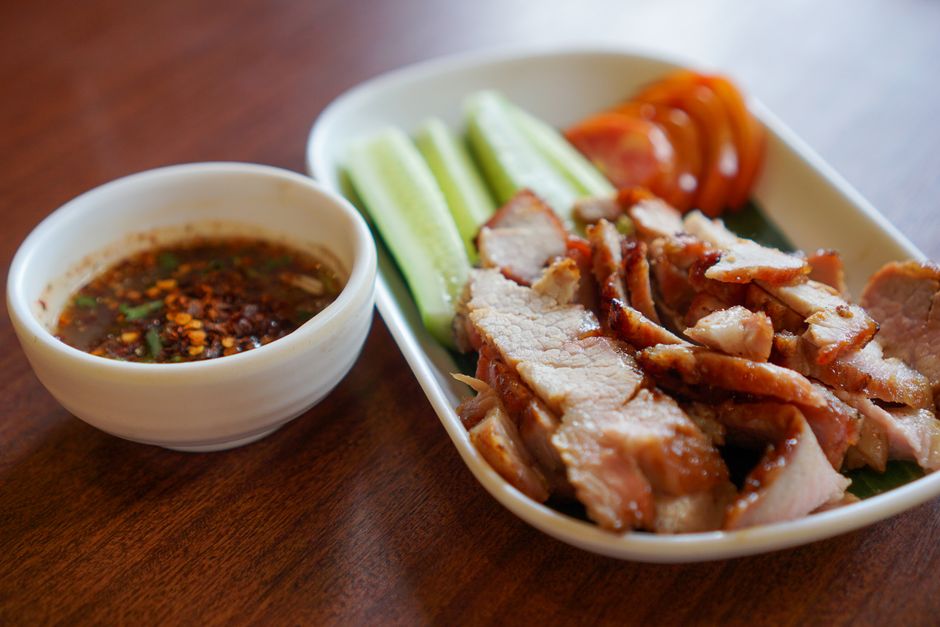
Pork is naturally a low-carb food. Fresh cuts like chops, tenderloin, and roasts contain zero carbohydrates. The carb count only changes when pork is processed, cured, or coated—so bacon and sausages deserve a closer look before you assume they fit your low-carb plan.
Is Pork Low Carb in Its Fresh Form?
Yes. Fresh pork is one of the most reliable low-carb protein sources available. A standard pork chop, pork tenderloin, or pork roast contains no sugars and no starches. The carbohydrate content is effectively zero grams per serving.
This makes fresh pork an excellent choice for people following ketogenic, Atkins, or general low-carb eating patterns. The protein content is high, and the fat content varies depending on the cut you choose. Loin cuts are leaner, while shoulder and belly cuts carry more fat—but none of them introduce carbs.
The only exception is if you add a marinade, rub, or sauce before cooking. Many commercial marinades contain sugar, honey, or fruit juice. A plain pork chop cooked with salt, pepper, and oil remains carb-free. The same chop coated in a sweet barbecue glaze is not.
Does Bacon Contain Hidden Carbs?
Bacon is not carb-free, but the amount is small. Most regular pork bacon contains about 0 to 1 gram of carbohydrate per slice. The exact number depends on the brand and how it is cured.
The carbs in bacon come from the curing process. Many manufacturers use sugar, maple syrup, or honey in their cure mixture. This adds a small amount of carbohydrate to the final product. Some bacon is also smoked with wood that contributes trace sugars, though this is usually negligible.
If you eat two or three slices of bacon with breakfast, you are consuming roughly 1 to 3 grams of carbs. For most low-carb eaters, this is entirely manageable. But if you are following a very strict ketogenic diet with a 20-gram daily carb limit, those grams still count.
The best way to know exactly what you are eating is to check the nutrition label. Look for “total carbohydrate” on the package. Some brands now offer “no sugar added” bacon, which typically contains zero carbs per serving.
What About Processed Pork Products?
Processed pork products are where carb counts can climb unexpectedly. Sausage, ham, deli meat, and flavored pork products often contain added sugars, starches, or fillers that fresh pork does not have.
Breakfast sausage links and patties usually contain 1 to 3 grams of carbs per serving. Some flavored sausages—especially those with maple, apple, or honey varieties—can contain 5 grams or more. The added sugar is used for flavor and browning.
Ham is another common source of hidden carbs. A baked ham with a honey glaze can contain 5 to 10 grams of sugar per serving. Even “regular” deli ham often has 1 to 2 grams of carbs per slice because of the curing solution injected during processing.
Pork rinds are the exception. These fried pork skins are naturally carb-free and contain zero sugar. They are a popular low-carb snack for this reason. Just check the label—some flavored varieties add seasonings that contain sugar or maltodextrin.





How Do Different Pork Cuts Compare?
All fresh pork cuts are carb-free, but they differ in fat and protein content. This matters if you are tracking macros for weight loss or athletic performance.
- Pork tenderloin is the leanest cut. It contains about 120 calories per 3-ounce serving with roughly 22 grams of protein and 3 grams of fat.
- Pork chops vary by thickness and marbling. A standard loin chop contains about 180 calories with 24 grams of protein and 8 grams of fat.
- Pork shoulder is fattier and often used for pulled pork. A 3-ounce serving contains about 230 calories with 20 grams of protein and 16 grams of fat.
- Pork belly is the fattiest cut and the source of uncured bacon. It contains about 400 calories per 3-ounce serving with most calories coming from fat.
None of these cuts contain carbohydrates. The selection should be based on your fat and protein goals, not carb concerns.
Are There Any Pork Products That Are Not Low Carb?
Yes. Any pork product that has been breaded, battered, or coated with flour is no longer low carb. This includes breaded pork cutlets, pork schnitzel, and many frozen pork products.
Sweet and sour pork, orange pork, and other Asian-style dishes typically contain significant sugar in the sauce. A single serving can contain 20 to 40 grams of carbohydrates, mostly from sugar and cornstarch.
Barbecue pulled pork is a trap for many low-carb eaters. The pork itself is carb-free, but the sauce used in most restaurants is loaded with sugar. A typical serving of sauced pulled pork can contain 15 to 25 grams of carbs. Ask for it dry or with sauce on the side.
Flavored bacon—like brown sugar bacon or maple bacon—contains noticeably more carbs than regular bacon. These products can contain 2 to 4 grams of carbs per slice. They are still relatively low in carbs, but they are not carb-free.
Is Pork a Good Choice for a Low-Carb Diet?
Yes. Pork is a nutrient-dense protein that fits well into most low-carb eating plans. It provides B vitamins, particularly thiamine and niacin, along with zinc and selenium. These nutrients support energy metabolism and immune function.
The main caution is not about the pork itself but about how it is prepared and what is added to it. Plain pork is carb-free. Processed pork can contain small amounts of sugar. Breaded or sauced pork can contain substantial carbohydrates.
If you are eating out, ask questions about preparation. If you are cooking at home, read labels on any processed pork product. These two habits will keep your carb intake accurate and predictable.
Some research suggests that diets higher in protein can support weight loss by increasing satiety and reducing overall calorie intake. Pork, as a high-protein food, can contribute to this effect. However, the evidence on red and processed meat consumption and long-term health outcomes is mixed, so moderation remains a reasonable approach.
How to Read Pork Labels for Carb Content
The nutrition facts label is the most reliable source of information. Look for the “Total Carbohydrate” line. This number includes sugars, starches, and fiber.
For fresh pork, the label will typically show 0 grams of carbohydrates. For bacon and sausage, check the serving size carefully. Some labels list a serving as one slice or one link, which can make the carb count look smaller than it really is.
Also check the ingredient list. Sugar, dextrose, corn syrup, honey, maple syrup, and maltodextrin are all carbohydrate sources. If any of these appear in the first few ingredients, the product contains added carbs.
Products labeled “uncured” are not automatically carb-free. Un cured bacon uses celery juice or celery powder as a preservative instead of synthetic nitrates. Celery contains natural sugars, so uncured bacon can still have trace carbohydrates. The amounts are small, but they are not always zero.
Frequently Asked Questions
Frequently Asked Questions
Can I eat pork every day on a low-carb diet?
Yes, fresh pork can be eaten daily as part of a low-carb diet. It provides high-quality protein and contains zero carbohydrates in its unprocessed form.
Is bacon considered a low-carb food?
Bacon is low in carbs but not carb-free, typically containing 0 to 1 gram per slice. Check the label for sugar in the curing ingredients.
Does pork raise blood sugar?
Fresh pork does not raise blood sugar because it contains no carbohydrates. Processed pork with added sugar can have a minor effect depending on the amount consumed.
What is the lowest carb pork product?
Fresh cuts like tenderloin, chops, and roasts contain zero carbs. Pork rinds are also carb-free as long as they have no added flavorings with sugar.
