
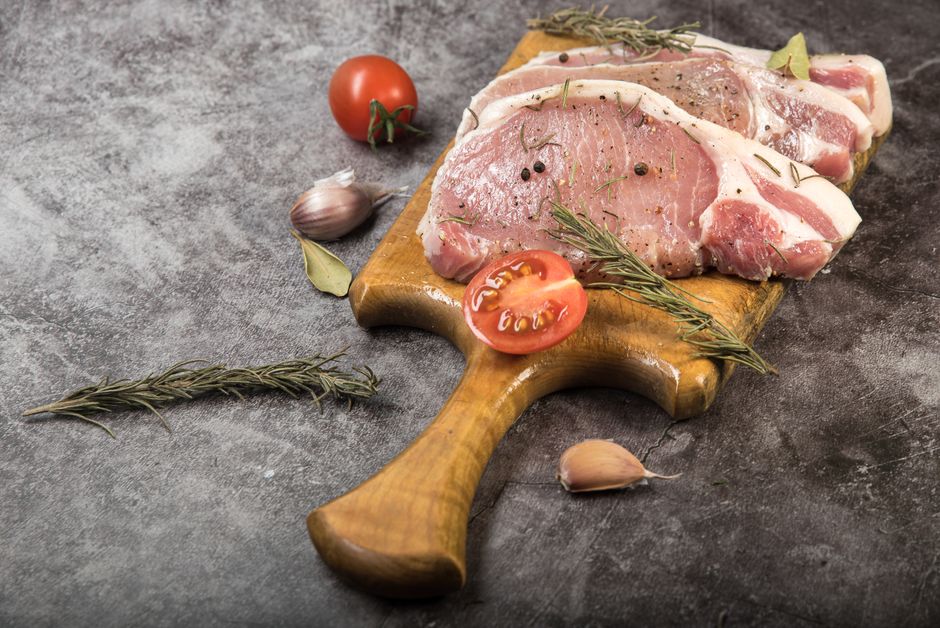
Pork chops are a good source of protein, B vitamins, and several important minerals, and they can absolutely fit into a healthy diet. The nutritional value depends heavily on the cut you choose and how you cook it. Lean cuts like the loin or sirloin chop offer high-quality protein without excessive saturated fat, making them a solid choice for most healthy adults.
What Is the Nutritional Profile of a Pork Chop?
A standard pork chop is primarily known for its protein content. A typical 3-ounce serving of cooked, lean pork provides about 22-26 grams of protein. That is roughly half the daily protein needs for an average adult woman and about a third for an average adult man.
Pork is also one of the best dietary sources of thiamine (vitamin B1). This vitamin is essential for converting carbohydrates into energy and for proper nerve function. Most cuts of pork provide significantly more thiamine than beef or chicken.
Beyond protein and B vitamins, pork chops supply zinc and selenium. Zinc supports immune function and wound healing. Selenium acts as an antioxidant, helping to protect cells from damage. You also get a meaningful amount of phosphorus, which is necessary for bone health.
The calorie count varies by cut. A lean, center-cut loin chop will have fewer calories and less fat than a rib chop or a blade chop. If you are watching your weight or your cholesterol, the specific cut matters more than the fact that it is pork.
Is Pork Chops’ Fat Content a Concern?
Fat content is where pork chops require some attention. The total fat and saturated fat can range widely depending on the cut and how much visible fat you trim before cooking.
A lean pork chop that is trimmed of visible fat contains about 2-3 grams of saturated fat per 3-ounce serving. That is comparable to a skinless chicken breast. A fattier chop, like a rib chop with the fat left on, can contain nearly double that amount.
Dietary guidelines generally recommend limiting saturated fat to less than 10% of your daily calories. For someone eating 2,000 calories a day, that is about 22 grams of saturated fat. One lean pork chop fits within that easily. One fatty, untrimmed chop takes up a larger share of your daily allowance.
You can control the fat content directly. Choose loin or sirloin chops. Trim visible fat before cooking. Avoid frying in butter or lard. These simple choices turn a moderate-fat food into a lean one.
How Should You Cook Pork Chops for the Best Health Outcome?
How you cook a pork chop changes its health profile as much as the cut does. Grilling, baking, broiling, and pan-searing with minimal oil are all healthy methods. Frying in deep oil or cooking with heavy butter sauces adds significant calories and fat that the chop does not naturally contain.
One important note: do not char or burn the meat. Cooking meat at high temperatures until it is blackened or charred creates compounds called heterocyclic amines (HCAs) and polycyclic aromatic hydrocarbons (PAHs). Some research has linked high intake of these compounds to an increased risk of certain cancers. This does not mean you cannot enjoy a grilled chop. It means you should avoid eating the charred, blackened parts.
Marinating pork before cooking may reduce the formation of HCAs. Acidic marinades containing vinegar, citrus juice, or wine appear to offer some protective effect. This is a simple step that adds flavor and may reduce potential harm.
Use a meat thermometer. Pork chops are safe to eat at 145°F (63°C), followed by a 3-minute rest. Cooking to this temperature keeps the meat juicy and avoids the dry, overcooked texture that makes people add heavy sauces.





Are There Any Health Risks with Eating Pork?
Trichinella is the parasite people most often associate with pork. This infection is now extremely rare in commercially raised pork in the United States. Modern farming practices and food safety regulations have largely eliminated it. The risk is not zero, but it is very low for pork purchased from a standard grocery store.
The bigger concern for most people is sodium and processing. A plain, fresh pork chop is naturally low in sodium. However, many pork chops are sold pre-seasoned, brined, or injected with a salt solution to enhance flavor and moisture. These enhanced products can contain several times more sodium than plain pork. Check the label. If the ingredient list includes salt or sodium phosphate, the chop has added sodium.
Processed pork products like bacon, ham, and sausage have a different health profile entirely. The World Health Organization classifies processed meats as carcinogenic to humans based on strong evidence linking them to colorectal cancer. This classification does not apply to fresh, unprocessed pork chops. The distinction is important. A fresh pork chop and a slice of bacon are not the same food from a health standpoint.
Some research has examined red meat consumption and health outcomes. Pork is classified as red meat, and some large observational studies have linked high red meat intake to increased risks of heart disease and certain cancers. The evidence is strongest for processed meats. For fresh, unprocessed red meat, the risk association is weaker and may be related to how the meat is cooked and what is eaten alongside it.
How Do Pork Chops Compare to Chicken or Beef?
People often assume chicken is automatically healthier than pork. That is not always true. A lean pork chop and a skinless chicken breast are nutritionally similar in protein and fat content.
| Nutrient (per 3 oz cooked) | Lean Pork Loin Chop | Chicken Breast (skinless) | Beef Sirloin (lean) |
|---|---|---|---|
| Protein | ~24 g | ~26 g | ~25 g |
| Saturated fat | ~2 g | ~1 g | ~2.5 g |
| Thiamine (B1) | High | Low | Low |
| Iron | Moderate | Low | High |
| Zinc | Moderate | Low | High |
Pork is leaner than most cuts of beef. Beef sirloin is comparable, but many other beef cuts like ribeye or T-bone are significantly higher in saturated fat. Pork is also generally more affordable than lean beef, which makes it a practical protein source for many families.
Chicken breast remains the lowest in saturated fat. But pork loin chops are close. The difference is small enough that other factors — like how you season and cook the meat — matter more than the choice between chicken and pork.
Can Pork Chops Fit into a Heart-Healthy or Diabetic Diet?
Yes, with the right choices. A lean pork chop provides high-quality protein without carbohydrates, which makes it a reasonable option for people managing blood sugar. Protein helps stabilize blood sugar by slowing digestion and promoting satiety.
For heart health, the key is portion size and preparation. A 3-ounce serving is about the size of a deck of cards. Pair it with vegetables and a whole grain like brown rice or quinoa. This creates a balanced plate with fiber, which supports heart health and blood sugar control.
People with high cholesterol do not need to avoid pork entirely. The saturated fat in a lean chop is within acceptable limits for most people. However, if your doctor has recommended a strict low-saturated-fat diet, you should prioritize the leanest cuts and keep portions moderate.
If you have high blood pressure, watch the sodium. Choose plain, unenhanced chops and season them yourself with herbs, spices, garlic, and pepper instead of salt. This gives you full control over your sodium intake.
What Is the Healthiest Way to Buy Pork Chops?
Read the label carefully. Look for chops that list only “pork” as an ingredient. Avoid products that list water, salt, sodium phosphate, or flavorings, as these indicate an enhanced product with added sodium.
Choose center-cut loin chops or sirloin chops for the leanest options. These cuts come from the back and hip of the animal, which are the least exercised areas and naturally lower in fat. Rib chops and blade chops have more marbling and more saturated fat.
Buying from a butcher who can cut chops to your specification is an option if you want precise control over thickness and trimming. Thicker chops are actually easier to cook without drying out, which may help you avoid adding butter or oil for moisture.
Organic and pasture-raised pork are available, but the evidence that these are nutritionally superior to conventionally raised pork is limited. The differences in fat composition are small. The more important factors are the cut, the trim, and your cooking method.
Frequently Asked Questions
Are pork chops considered red meat?
Yes, pork is classified as red meat, even though it is sometimes marketed as “the other white meat.” This classification is based on myoglobin content, and it matters for research on red meat consumption and health outcomes.
How often can I eat pork chops in a week?
Most dietary guidance suggests limiting red meat to a few servings per week, but there is no single official limit for pork specifically. Eating a lean pork chop two to three times per week as part of a balanced diet is reasonable for most healthy adults.
Is pork safe to eat if it is slightly pink inside?
Yes. Pork is safe at an internal temperature of 145°F, which often leaves a slight pink color in the center. The old recommendation to cook pork until well-done was based on trichinella concerns that are now extremely rare in commercial pork.
Are pork chops good for weight loss?
Lean pork chops can support weight loss because they are high in protein and relatively low in calories. A 3-ounce serving of lean pork has about 150-180 calories, and the protein helps you feel full. Just avoid frying and heavy sauces.
