
Pneumonia is a lung infection that can be caused by bacteria, viruses, or fungi. The short answer is that it is not one or the other — it can be any of them. Bacterial pneumonia is the most common type in adults, but viral pneumonia is also very common, especially in children and older adults. Knowing which type you have matters because the treatment is completely different.
What Actually Causes Pneumonia?
Pneumonia happens when germs get into your lungs and cause the air sacs to fill with fluid or pus. This makes it hard to breathe. The most common causes are bacteria and viruses, but fungi can cause it too, mostly in people with weak immune systems.
Bacterial pneumonia is often caused by a bacterium called Streptococcus pneumoniae. This is the most common cause of bacterial pneumonia in adults. Other bacteria like Haemophilus influenzae and Mycoplasma pneumoniae can also cause it. The CDC reports that bacterial pneumonia is responsible for about 30% of all pneumonia cases that require hospitalization.
Viral pneumonia is caused by viruses like influenza (the flu), respiratory syncytial virus (RSV), and SARS-CoV-2 (the virus that causes COVID-19). Before COVID-19, viral pneumonia was less common in adults. Now it is much more common. Studies published in JAMA have found that about 30-40% of pneumonia cases in adults are viral.
Fungal pneumonia is rare in healthy people. It usually affects people with weakened immune systems, like those on chemotherapy or with HIV. The fungi that cause it are often found in soil or bird droppings.
How Can You Tell If It Is Bacterial or Viral?
You cannot tell for sure just by symptoms. Both types cause fever, cough, chest pain, and trouble breathing. But some clues exist.
Bacterial pneumonia often comes on fast. One day you feel fine, and the next day you have a high fever, shaking chills, and a cough with thick yellow or green mucus. Viral pneumonia usually starts more slowly. You might have a dry cough, body aches, and a low-grade fever for several days before it gets worse.
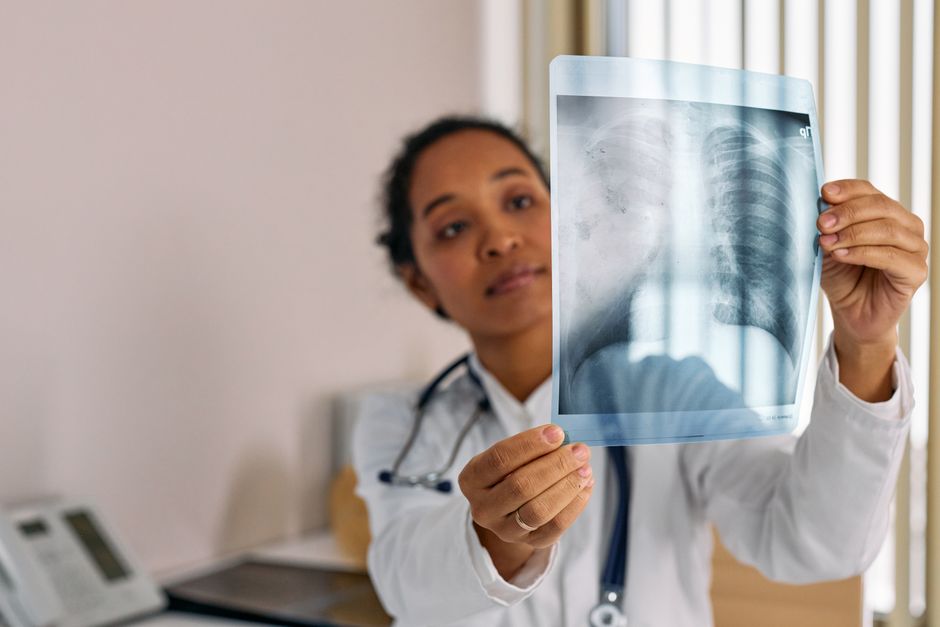
The only way to know for certain is with medical tests. Doctors can use a chest X-ray, blood tests, or a mucus sample. The chest X-ray can show which parts of the lung are infected, but it cannot tell you if the cause is bacterial or viral. Blood tests can sometimes show signs of bacterial infection, like a high white blood cell count. The most accurate test is a culture of your mucus or a PCR test that looks for specific germs.
Many hospitals now use a test called a multiplex PCR panel. It can check for dozens of bacteria and viruses at once from one swab. The results come back in a few hours. This test is becoming more common and helps doctors choose the right treatment faster.
What Treatments Work for Each Type?
Treatment depends entirely on the cause. Antibiotics work for bacterial pneumonia but do nothing for viral pneumonia. Antiviral drugs work for some viral pneumonias but not all.
For bacterial pneumonia, doctors prescribe antibiotics. The most common ones are amoxicillin, azithromycin, or doxycycline. You usually take them for 5 to 7 days. It is important to finish the whole course even if you feel better. Stopping early can lead to the infection coming back or the bacteria becoming resistant.
For viral pneumonia, antibiotics do not help. Most viral pneumonia is treated with rest, fluids, and over-the-counter medicine for fever and pain. For influenza pneumonia, doctors may prescribe antiviral drugs like oseltamivir (Tamiflu). For COVID-19 pneumonia, antiviral drugs like remdesivir or paxlovid may be used. For RSV, there is no specific antiviral drug for adults, but supportive care helps.
The American Thoracic Society recommends that doctors do not give antibiotics to people with viral pneumonia unless there is a strong reason to suspect a secondary bacterial infection. Overusing antibiotics when they are not needed contributes to antibiotic resistance, which is a serious public health problem.





Can You Have Both Bacterial and Viral Pneumonia at the Same Time?
Yes, this happens more than most people realize. It is called a co-infection. About 10-20% of people with pneumonia have both a virus and a bacteria at the same time. This was especially common during the 1918 flu pandemic and has been seen during the COVID-19 pandemic as well.
When you have a viral infection, your immune system is weakened. This makes it easier for bacteria to invade your lungs. The virus damages the lining of your airways, and bacteria take advantage of that damage. The most common co-infection is influenza virus with Streptococcus pneumoniae bacteria.
Research published in the New England Journal of Medicine found that people with co-infections are more likely to be hospitalized and more likely to need intensive care. They also tend to have longer hospital stays. This is why doctors sometimes give antibiotics to people with viral pneumonia if they are very sick or have risk factors like being over 65 or having chronic lung disease.
Testing for both viruses and bacteria is important in these cases. A multiplex PCR test can detect both at once. If the test shows only a virus, doctors can avoid antibiotics. If it shows both, they can treat both appropriately.
Is Pneumonia Caused By Bacteria Viruses Or Both in Children?
In children, the answer is similar but with some differences. Viral pneumonia is more common in children under 5 years old. The CDC reports that about 50% of pneumonia cases in children under 5 are viral. RSV is the most common cause in infants, while influenza and parainfluenza are common in older children.
Bacterial pneumonia is more common in children over 5. Streptococcus pneumoniae is the main cause, but Mycoplasma pneumoniae is also common in school-age children. Mycoplasma pneumonia is sometimes called “walking pneumonia” because symptoms are milder and children can often still go to school.
One important difference is that children with viral pneumonia are more likely to have wheezing. Children with bacterial pneumonia are more likely to have a high fever and rapid breathing. But again, these are not reliable enough to diagnose without a doctor.
The pneumococcal vaccine is recommended for all children under 2 and for older children with certain health conditions. It protects against the most common bacterial cause of pneumonia. The flu vaccine also helps prevent viral pneumonia caused by influenza.
How Serious Is Pneumonia and Who Is at Risk?
Pneumonia is serious. It is one of the top causes of death worldwide. The World Health Organization reports that pneumonia kills about 2.5 million people each year globally. In the United States, about 1 million adults are hospitalized for pneumonia each year, and about 50,000 die from it.
Some people are at higher risk. People over 65, children under 2, pregnant women, and people with chronic diseases like asthma, diabetes, or heart disease are more likely to get severe pneumonia. Smokers and people who drink too much alcohol are also at higher risk.
People with weakened immune systems are at the highest risk. This includes people on chemotherapy, organ transplant recipients, and people with HIV. For these people, pneumonia can be life-threatening even with treatment.
The good news is that vaccines can prevent many cases. The pneumococcal vaccine is recommended for adults over 65 and for younger adults with certain health conditions. The flu vaccine and COVID-19 vaccine also reduce the risk of viral pneumonia. The CDC recommends that everyone 6 months and older get a flu vaccine every year.
Frequently Asked Questions
Can pneumonia go away on its own without treatment?
Some mild cases of viral pneumonia can resolve on their own with rest and fluids, but bacterial pneumonia requires antibiotics and can be life-threatening without treatment.
Is pneumonia contagious?
Yes, the germs that cause pneumonia can spread through coughing, sneezing, or close contact, but pneumonia itself is not a single contagious disease.
How long does it take to recover from pneumonia?
Recovery usually takes 1 to 3 weeks for mild cases, but severe pneumonia can take several months to fully recover from.
Can you get pneumonia more than once?
Yes, you can get pneumonia multiple times because different germs cause it and your immune system does not develop long-term protection against all types.
