
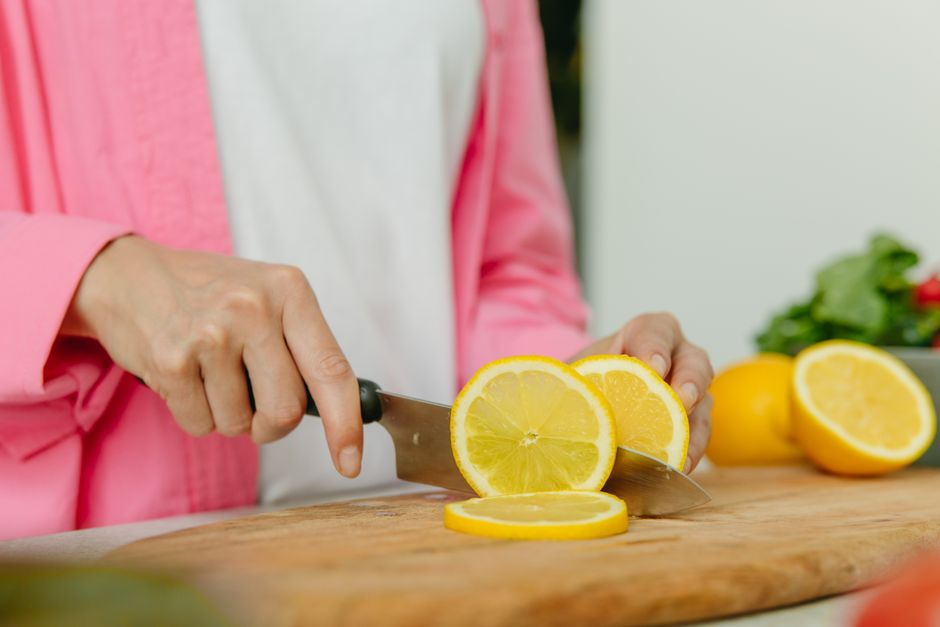
Wooden cutting boards do both. They hold bacteria on their surface, and the wood itself can gradually reduce bacterial populations over time. The idea that wood is inherently antibacterial is partly true and partly overstated. How you clean and dry the board matters far more than the material itself.
Do Wooden Cutting Boards Hold Bacteria Or Kill It?
Both things happen, and they happen at the same time. Wood is porous. Bacteria settle into the surface, and some of them move into the shallow pores and scratches.
What makes wood different from plastic is what happens next. Research going back decades found that bacteria placed on wooden surfaces tended to die off faster than bacteria on plastic. The wood draws moisture away from the surface, and bacteria need moisture to survive and multiply. Certain wood compounds may also play a role. The effect is real but slow. It is not a substitute for washing.
There is a common misunderstanding worth clearing up here. A board that “kills bacteria” in a lab study is not a sterile board in your kitchen. The reduction takes time, it varies by wood type, and it does not remove bacteria that are sitting in a fresh smear of raw chicken juice. Clean the board as if the bacteria are still there, because in the short term they are.
How Does Wood Compare To Plastic For Bacteria?
Neither material wins outright, and the research is more mixed than most people assume. The two materials fail in different ways.
Plastic is non-porous when new, so bacteria sit on the surface where they are easy to wipe away. The problem comes with knife marks. Once a plastic board is scored with grooves, bacteria can get into those cuts and survive washing more easily. Several studies have found that heavily scratched plastic boards can be harder to clean effectively than wood.
Wood absorbs moisture and pulls it inward, which appears to work against bacteria over time. But that same absorbency means a wooden board can take on juices and odors, and it needs to dry thoroughly between uses.
- New plastic: easy to clean, but scratches quickly with normal use.
- Old plastic: deep grooves can trap bacteria that survive a quick wash.
- Wood: absorbs moisture, which may reduce bacteria over hours, but needs full drying.
- Both: a worn, deeply scored board of either material is harder to clean and should be replaced.
One point that often gets lost: the United States Department of Agriculture and food safety guidance focus on cleaning and cross-contamination, not on choosing wood over plastic. No major food safety agency recommends one material over the other. The handling matters more than the material.
What Makes A Wooden Board Safer Or Riskier?
How the board is used and cared for matters far more than the species of wood. A well-maintained board handled correctly is low risk. A neglected board of any type is not.
Wood type does appear to matter somewhat. Studies have looked at different woods, and harder, tighter-grained woods such as maple have generally performed well in bacterial survival tests. Some softer or more open-grained woods have shown less consistent results. The evidence is not strong enough to rank specific woods as reliably safer, so treat wood type as a minor factor.
The bigger risk factors are practical:
- Raw meat contact. Poultry and ground meat carry the highest bacterial load. A board used for raw chicken needs thorough cleaning before anything else touches it.
- Deep cuts and cracks. Once a board has deep grooves or splits, cleaning reaches less of the surface.
- Staying damp. A board left wet, stacked, or stored in a humid spot gives bacteria a place to grow.
- Cross-contamination. Using the same board for raw meat and then salad is a far bigger risk than the board material itself.
The single most useful habit is separation. Many households keep one board for raw meat and another for produce and ready-to-eat foods. That step removes most of the risk regardless of what the boards are made of.



How Should You Clean And Care For A Wooden Cutting Board?
Wash a wooden board after every use with hot soapy water, then rinse and dry it fully. That is the core of it. The details matter for keeping the board in good condition.
Do not soak a wooden board or put it in the dishwasher. Prolonged water exposure causes wood to swell, crack, and split, and those cracks create places bacteria can hide. Hand washing is the standard approach for wood.
After washing, dry the board with a towel and stand it upright so air reaches both faces. Moisture trapped against a counter is the main enemy. Some people sanitize wooden boards with a diluted bleach solution following the label directions, but this is a step for specific situations, not a routine requirement. A thorough soap-and-water wash with full drying is the everyday standard.
Periodic oiling with a food-grade mineral oil helps keep wood from drying out and cracking. This is about board longevity, not about killing bacteria. Do not use cooking oils that can turn rancid.
Replace a board when it develops deep grooves, cracks, or a persistent odor that washing does not remove. A board that cannot be cleaned properly is no longer a safe surface.
Does Wood Actually Kill Bacteria?
Wood can reduce bacterial numbers over time, and this has been observed in laboratory studies. Calling it “killing” bacteria is where the claim gets stretched.
The mechanisms studied include moisture being drawn away from the surface, which stresses bacteria, and natural compounds in some woods that may interfere with bacterial growth. The effect is gradual, measured over hours in lab conditions, and it varies by wood and by bacterial species. It is not a fast-acting sanitizer.
The evidence is also mostly from laboratory studies rather than real kitchens. Lab conditions are cleaner and more controlled than a busy kitchen with wet boards, mixed foods, and inconsistent cleaning. So the finding is real but should not be treated as a guarantee of safety. The board still needs washing. The wood’s natural effect is a small bonus, not a replacement for basic hygiene.
What’s The Bottom Line For Your Kitchen?
Wood is a reasonable choice for a cutting board, and it is not inherently more dangerous than plastic. It holds bacteria, like any surface, and it may reduce them slowly over time. Neither fact changes what you need to do.
Wash the board with hot soapy water after each use. Dry it completely. Keep raw meat separate from ready-to-eat foods. Replace boards that are deeply scored or cracked. Those steps do far more to protect you than the choice between wood and plastic.
The material debate gets more attention than it deserves. Food safety agencies do not pick a winner between wood and plastic, because the handling is what determines risk. A clean, dry, well-kept board of either material is fine. A neglected one is not.
Frequently Asked Questions
Are wooden cutting boards safer than plastic?
Neither is clearly safer when both are well maintained. Wood may reduce bacteria over time, but scratched plastic and wet wood both become harder to clean, so handling matters more than material.
Can bacteria grow on a wooden cutting board overnight?
Bacteria can survive on a damp board, especially if it is left wet or dirty. Wash and fully dry the board after each use to limit this.
Should I throw away a wooden cutting board with deep cuts?
Yes, a board with deep grooves or cracks is hard to clean properly and should be replaced. Shallow surface marks are normal and generally fine.
Can I sanitize a wooden cutting board with bleach?
Some food safety guidance allows a diluted bleach solution following the label directions, but routine soap-and-water washing with full drying is the everyday standard. Do not soak wood in water.
