
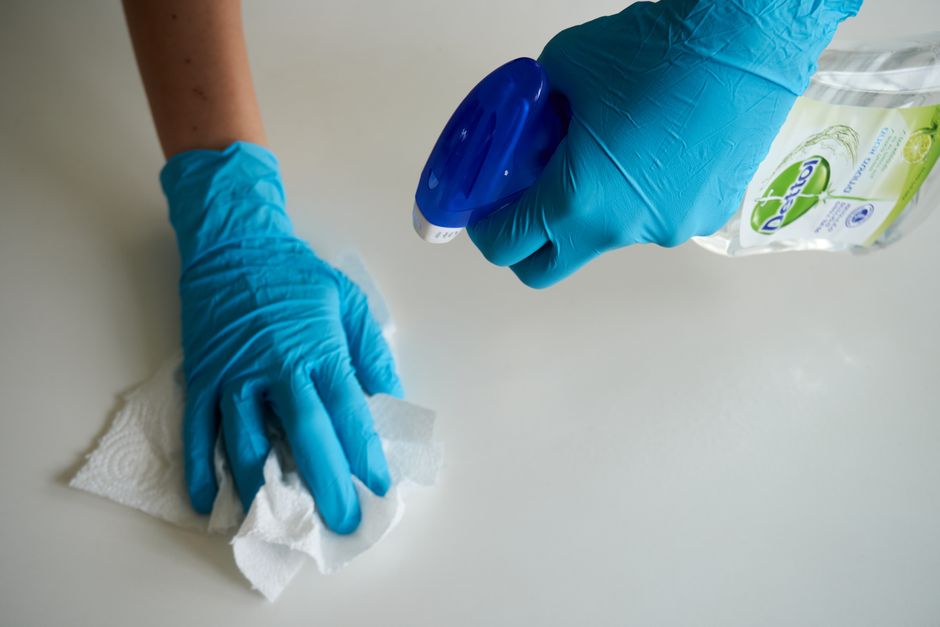
Clorox wipes kill a wide range of bacteria and viruses, but they do not kill everything. The active ingredient in Clorox brand disinfecting wipes is usually a quaternary ammonium compound, often alkyl dimethyl benzyl ammonium chloride. On a hard, non-porous surface, that chemistry breaks down the outer layers of many germs and stops them from working. What the wipes kill depends on the exact product and on whether the surface stays wet long enough for the disinfectant to do its job.
The important detail most people miss is contact time. A wipe does not disinfect the moment it touches a surface. The label lists a specific wet-contact time, and the germ kill only counts if the surface stays visibly wet for that whole period.
What Do Clorox Wipes Kill Bacteria Viruses More?
Disinfecting wipes are built to handle the germs that cause most everyday illness. The label on a given product is the only reliable list of what that specific wipe has been tested and registered to kill.
In general, quaternary ammonium disinfecting wipes are registered to kill many common bacteria, including Staphylococcus aureus, Salmonella species, E. coli, and Streptococcus species. Many are also registered against viruses such as influenza A, rhinovirus (a common cause of the cold), and several coronaviruses. Some formulations add other actives or higher concentrations to reach tougher targets.
What they do not do is kill everything. Spore-forming bacteria such as C. difficile, and some viruses and fungi, are not reliably killed by standard quaternary ammonium wipes. If a label does not list a germ, treat the wipe as unproven against it. That is not a knock on the product. It is how disinfectant regulation works.
One clarification worth holding onto: “kills 99.9% of germs” is a testing statement, not a promise about your kitchen counter. That figure comes from lab testing under controlled conditions with the right contact time. Real-world results depend on how you use the wipe.
How Do Disinfecting Wipes Actually Kill Germs?
The killing happens at the cell level. Quaternary ammonium compounds carry a positive charge, and bacterial cell surfaces carry a negative charge. The compound binds to the cell membrane, disrupts it, and the cell leaks and dies. For viruses, the compound damages the outer envelope and proteins the virus needs to attach and enter cells.
This is why the surface has to stay wet. The chemistry needs time in contact with the germ to work. Wipe a surface and let it dry in a few seconds, and you have mostly cleaned it, not disinfected it. Cleaning removes dirt and many germs. Disinfecting kills germs that remain. Those are two different jobs.
Dirt also matters. Organic material like food residue or grease can shield germs and reduce how well the active ingredient works. That is why labels often say to clean visibly dirty surfaces first, then disinfect.
Why Does Contact Time Matter So Much?
Contact time is the single biggest reason wipes underperform in real life. The label tells you how long the surface must stay visibly wet. If it dries before that time is up, the germ kill is not guaranteed.
Most people wipe and walk away. The surface looks clean, so it feels done. But if the wipe’s wetness flashed off in a few seconds, the disinfectant did not get its full working window. On a warm day or a porous surface, that happens fast.
Practical implications follow directly from this:
- Read the contact time on the specific product label. It varies by product and by germ.
- Use enough wipes to keep the surface visibly wet for the full time.
- Do not wipe a surface dry with a fresh wipe and assume it is disinfected.
- Let the surface air dry after the contact time rather than buffing it off.
This is the part where common practice and label directions often diverge. Many people use wipes as a quick clean-up cloth. That is fine for tidying, but it is not the same as disinfecting.

What Surfaces Do Clorox Wipes Work On?
Disinfecting wipes are made for hard, non-porous surfaces. Think countertops, doorknobs, light switches, faucets, appliance handles, and bathroom fixtures. On these surfaces the liquid sits on top and stays in contact with the germs.
Porous materials are a different story. Wood, unfinished surfaces, and fabric absorb the liquid, so the surface does not stay wet the way the label assumes. The wipe may clean the surface, but the disinfecting claim is not designed for that use.
Some surfaces can be damaged by the ingredients. Many wipe labels warn against use on certain finishes, screens, or natural stone. Check the label before using a wipe on anything valuable or unusual.
Do Clorox Wipes Kill Norovirus and C. diff?
These are the germs people worry about most, and the honest answer is that standard quaternary ammonium wipes are not the right tool for them. Norovirus is famously hard to kill and resists many common disinfectants. C. difficile forms spores that survive standard wipe chemistry.
For germs like these, the label is your guide. If a product does not list norovirus or C. diff as a target, do not assume it works. Products registered for these germs typically rely on different actives, such as certain chlorine or accelerated hydrogen peroxide formulations, and they carry their own contact times.
This is not a reason to distrust wipes. It is a reason to match the product to the germ. For routine cold and flu season cleaning, a standard wipe does useful work. For a household outbreak of norovirus, you need a product whose label specifically names it.
How Should You Use Clorox Wipes Correctly?
Correct use is simple but easy to skip. The steps below follow standard label directions for disinfecting wipes.
- Remove visible dirt first if the surface is soiled.
- Wipe the surface and make sure it stays visibly wet for the label’s contact time.
- Use additional wipes if the surface dries too soon.
- Let the surface air dry.
- Wash your hands after handling wipes, and keep them away from children and pets.
Two safety points are worth stating plainly. These products are pesticides regulated by the Environmental Protection Agency, and they are meant for surfaces, not skin. Do not use them as hand wipes. Keep them out of reach of children and pets, and use them in ventilated areas.
Also, wipes are not a substitute for handwashing. Handwashing with soap and water remains the most reliable way to remove germs from hands. Wipes are for surfaces.
Are Clorox Wipes Safe Around Food and Kids?
On food-contact surfaces, the label directions matter more than ever. Many disinfecting wipes are labeled for use on food-contact surfaces only if you follow the stated contact time and then rinse or wipe with water afterward, depending on the product. Do not assume a quick wipe is enough before food touches the surface.
Around children, treat wipes as you would any household chemical. Store them closed and out of reach. Do not let children handle them. If a child eats or mouths a wipe, contact poison control rather than waiting to see what happens.
For anyone with asthma or sensitivity to cleaning fumes, using wipes in a ventilated space and avoiding heavy inhalation is sensible. If a product’s smell bothers you, that is a signal to ventilate, not to push through.
Do Wipes Beat Spray Disinfectants?
Neither format is inherently better. Both can disinfect if used with the right contact time. The difference is in how easy it is to keep a surface wet long enough.
Sprays let you apply more liquid, which can make it easier to hold a surface wet for the full contact time. Wipes are convenient and good for small, quick jobs. A wipe can dry out fast on a large surface, which is where people often fall short.
The honest takeaway is that the product format matters less than the contact time and the label. A wipe used correctly will disinfect. A spray used carelessly will not.
What Should You Remember?
Clorox wipes kill many common bacteria and viruses on hard, non-porous surfaces. They do not kill everything. The germ kill depends on the specific product, the surface, and whether it stays wet for the label’s contact time.
The most useful habit is to read the label on the product you actually own. It tells you what that wipe is registered to kill and how long the surface needs to stay wet. Everything else follows from those two facts.
Frequently Asked Questions
Do Clorox wipes kill 99.9% of bacteria?
Many disinfecting wipes are tested and labeled to kill 99.9% of certain germs under lab conditions. That claim applies only to the germs listed on the label and only when the surface stays wet for the full contact time.
Do Clorox wipes kill norovirus?
Standard quaternary ammonium wipes generally do not list norovirus as a target, and norovirus resists many common disinfectants. Check the label and use a product specifically registered for norovirus if that is your concern.
How long do Clorox wipes need to stay wet?
The contact time is printed on each product’s label and varies by product and germ. The surface must stay visibly wet for that entire time for the disinfecting claim to hold.
Can you use Clorox wipes on your hands?
No. Disinfecting wipes are made for hard surfaces, not skin, and their labels direct users to wash hands after handling them. Use soap and water for hands.
