
Pneumonia is caused by both viruses and bacteria, and either type can produce serious illness. In adults, bacteria are a common cause of pneumonia that requires hospitalization, while viruses are the most frequent cause of pneumonia in young children. Doctors often cannot tell the two apart from symptoms alone, which is why testing and context matter.
Pneumonia is not one disease. It is a pattern of lung injury with many possible triggers. The germ behind it changes how the illness behaves, how it spreads, and which treatments work. Understanding the difference helps you ask better questions when you or someone you love gets sick.
What Actually Causes Pneumonia?
Pneumonia happens when an infection reaches the tiny air sacs in the lungs, called alveoli. These sacs normally fill with air so oxygen can pass into your blood. When germs multiply there, the body sends immune cells to fight them. The sacs fill with fluid and cells instead of air. That is why breathing feels hard and oxygen levels can drop.
The germs that reach the alveoli usually arrive in one of three ways. You breathe them in from the air. You aspirate small amounts of material from your mouth or throat. Or an infection elsewhere in the body spreads through the blood, which is less common.
Many different organisms can cause pneumonia. The main groups are:
- Bacteria — including Streptococcus pneumoniae, which is a leading cause of community-acquired pneumonia in adults
- Viruses — including influenza, respiratory syncytial virus (RSV), and coronaviruses such as SARS-CoV-2
- Atypical bacteria — organisms like Mycoplasma pneumoniae that behave somewhat differently from typical bacteria
- Fungi — rare in healthy people, more common in those with weakened immune systems
There is a fourth category that people often forget. Some pneumonia is not caused by an infection at all. Chemical injury, such as inhaling vomit or toxic fumes, can inflame the lungs and cause what is called aspiration pneumonitis or chemical pneumonia. This matters because antibiotics do not treat it.
Is Pneumonia Caused By A Virus Or Bacteria?
Both. Neither one “owns” pneumonia. The split between viral and bacterial causes depends heavily on who gets sick and where they are.
In children, viruses are the most common cause of pneumonia. RSV is a leading culprit in infants and young children. In adults, bacteria become more prominent, and Streptococcus pneumoniae is a frequent cause of community-acquired pneumonia. In people who are hospitalized or in long-term care, the mix shifts again toward other bacteria and, in some cases, drug-resistant organisms.
Here is a point many people miss. Viral and bacterial pneumonia can occur together. A viral infection can damage the lining of the airways and make it easier for bacteria to take hold. This is one reason a person who seems to be recovering from a viral illness can suddenly get worse. That secondary bacterial infection is a recognized complication, and doctors watch for it.
How Do Viral And Bacterial Pneumonia Differ?
There is overlap, and that is the honest starting point. You cannot reliably tell viral from bacterial pneumonia by symptoms alone. Some patterns are more common in one than the other, but none are definitive.
Viral pneumonia often develops more gradually. It may follow a cold or flu-like illness, with a dry cough, fever, and body aches. Bacterial pneumonia can come on more abruptly, sometimes with a high fever, shaking chills, and a cough that produces thick phlegm. Chest pain that worsens with breathing is reported in both.
Age and health status change the picture too. Older adults may not mount a strong fever. They can seem confused or unusually tired instead. Infants may feed poorly or breathe rapidly without an obvious cough. These are reasons clinicians rely on examination and testing rather than symptoms alone.





How Do Doctors Tell The Difference?
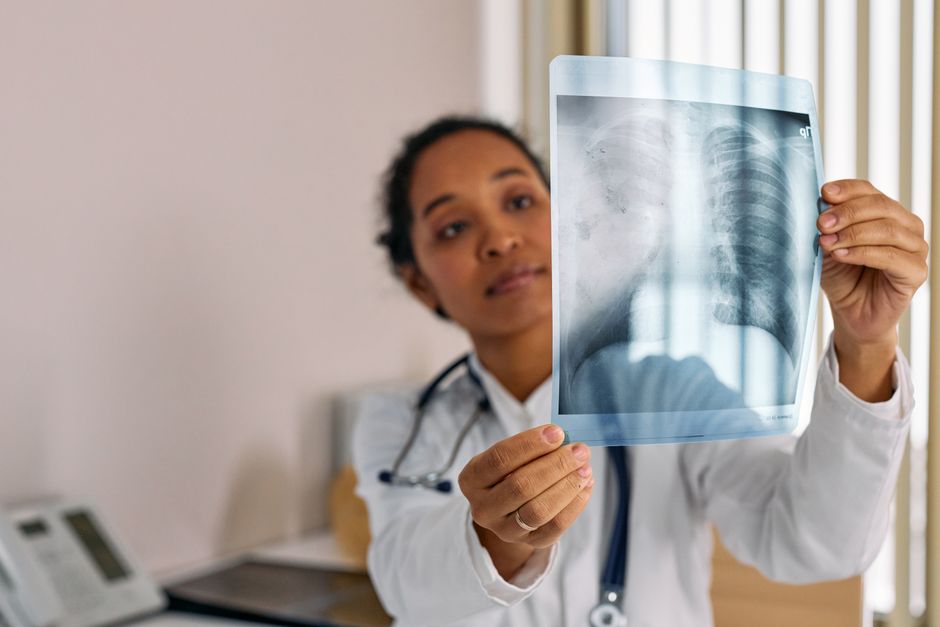
Doctors use a combination of history, physical exam, imaging, and lab tests. A chest X-ray is standard when pneumonia is suspected. It can show where the infection sits in the lungs, though it cannot by itself say whether the cause is viral or bacterial.
Blood tests can show signs of infection and help gauge severity. Sputum tests, blood cultures, and specific tests for viruses or bacteria can sometimes identify the organism. These are not always done, especially in mild cases where treatment can start without knowing the exact germ.
This is a place where clinical judgment matters. A doctor may suspect a viral cause based on the season, the pattern of illness, and the person’s exposure history. They may suspect bacteria based on severity, imaging, and how quickly the illness came on. Testing helps confirm, but it is not always available or necessary.
How Is Each Type Treated?
The distinction matters most for treatment. Bacterial pneumonia is treated with antibiotics. Viral pneumonia is not. Antibiotics do nothing against viruses, and using them when they are not needed adds cost, side effects, and contributes to antibiotic resistance.
For viral pneumonia, care focuses on supporting the body while it fights the infection. That can include rest, fluids, and fever-reducing medication. In some cases, antiviral drugs are used. Influenza pneumonia, for example, may be treated with antiviral medication, and timing matters — these drugs work best when started early in the illness.
For bacterial pneumonia, the choice of antibiotic depends on the likely organism, the setting, and local resistance patterns. Some people need oxygen or hospital care. Severe cases may require intensive care.
Here is the practical reality. Because doctors often cannot be certain of the cause at the outset, some patients with suspected pneumonia are started on antibiotics while testing is underway. This is common clinical practice, especially when the person is seriously ill. The goal is not to over-treat but to avoid missing a bacterial infection that could worsen quickly.
What Raises Your Risk?
Anyone can get pneumonia, but some factors make it more likely or more dangerous. These are well established.
- Age — very young children and adults over 65 are at higher risk
- Weakened immune system — from illness, medication, or conditions like HIV
- Chronic lung disease — including asthma, COPD, and cystic fibrosis
- Smoking — damages the airways and impairs clearance of germs
- Recent viral respiratory infection — can set the stage for bacterial pneumonia
- Difficulty swallowing — raises the risk of aspiration
- Hospitalization or long-term care — increases exposure to healthcare-associated organisms
These factors do not guarantee pneumonia. They change the odds and can shape which organisms are most likely.
Can Pneumonia Be Prevented?
Some pneumonia is preventable, though not all of it. Vaccines reduce the risk of several leading causes. There are vaccines against Streptococcus pneumoniae, influenza, RSV, and other respiratory infections. Which vaccines are recommended depends on age, health conditions, and current guidance, so it is worth checking with a clinician rather than relying on a general list.
Everyday habits help too. Handwashing reduces the spread of respiratory germs. Not smoking protects the airways. Managing chronic conditions keeps the body better able to fight infection. For people with swallowing problems, working with a speech or swallowing therapist can lower aspiration risk.
No measure eliminates risk entirely. Pneumonia can still happen in healthy, vaccinated people. The goal is to lower the chance and reduce severity.
When Should You Get Medical Help?
Pneumonia can become serious quickly, so knowing when to seek care matters. Seek medical attention if you have trouble breathing, chest pain, a high fever that will not come down, confusion, or lips that look blue or gray. These can signal a medical emergency.
For less urgent symptoms — a cough that lingers, fever, and feeling unwell — it is still worth contacting a clinician, especially if you are older, have a chronic condition, or your symptoms are getting worse rather than better. Early assessment can catch problems before they escalate.
One clarification worth keeping in mind. A cough that lasts for weeks after pneumonia is common and does not always mean the infection is still active. The lungs can take time to heal. But a cough that worsens, or new fever after improvement, should be checked.
Frequently Asked Questions
Is pneumonia caused by a virus or bacteria?
Both viruses and bacteria cause pneumonia, and either can be serious. Viruses are the most common cause in young children, while bacteria are a frequent cause in adults.
Can viral pneumonia turn into bacterial pneumonia?
Yes. A viral infection can damage the airways and make it easier for bacteria to cause a second infection. This is a recognized complication doctors watch for during recovery.
Do antibiotics work for viral pneumonia?
No. Antibiotics only treat bacterial infections and have no effect on viruses. Using them unnecessarily adds side effects and contributes to antibiotic resistance.
How can you tell the difference between viral and bacterial pneumonia?
You usually cannot tell from symptoms alone, because the signs overlap. Doctors use physical exams, chest imaging, and lab tests to help identify the likely cause.
