
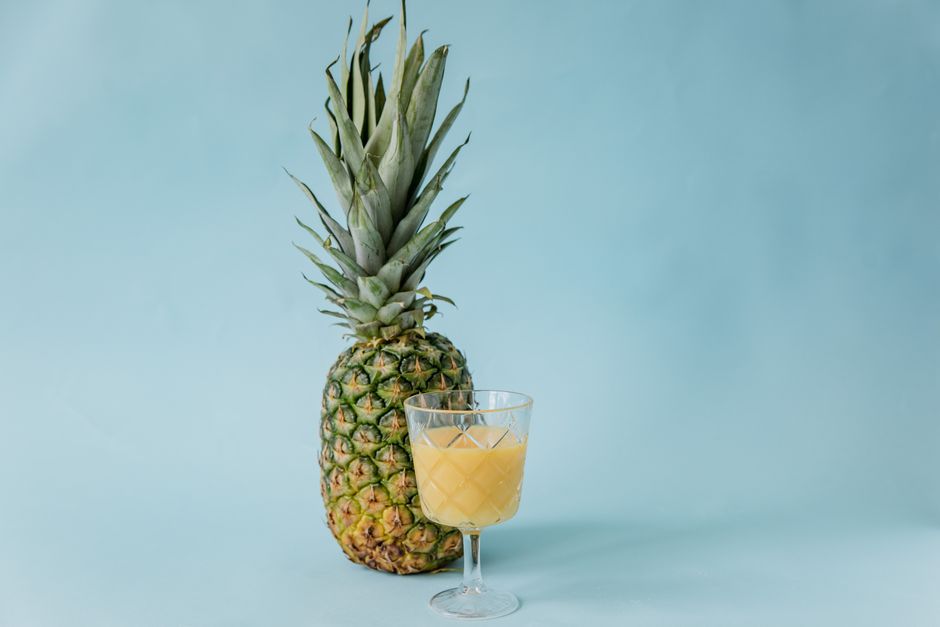
Pineapple juice is healthy for most people, but it comes with real caveats. It is genuinely rich in vitamin C, manganese, and antioxidants, and it delivers meaningful amounts of several nutrients. But it is also a concentrated source of natural sugar, and the way it compares to whole pineapple matters more than most people realize. The short answer: pineapple juice can be part of a healthy diet, but it is not a health food, and it should be treated like any other sugary drink — enjoyed in moderation, not consumed as a daily habit.
What Nutrients Are Actually in Pineapple Juice?
Pineapple juice is one of the more nutrient-dense fruit juices available. A standard 8-ounce serving provides a substantial portion of your daily vitamin C needs, along with manganese, copper, and several B vitamins. Vitamin C is the headline nutrient — it supports immune function, collagen production, and iron absorption.
Manganese is less commonly discussed but equally important. It plays a role in bone formation, blood clotting, and reducing inflammation. Pineapple juice is one of the richest dietary sources of this mineral.
The juice also contains bromelain, a group of enzymes found naturally in pineapple. Bromelain breaks down protein and has been studied for its anti-inflammatory properties. However, the amount of bromelain in commercial pineapple juice varies widely depending on processing. Heat pasteurization can destroy enzymes, so bottled juice may contain little to no active bromelain.
One important distinction: pineapple juice contains almost no fiber. When you eat a cup of pineapple chunks, you get about 2.3 grams of fiber. When you drink the juice, that fiber is gone. Fiber slows sugar absorption, supports gut health, and helps you feel full. Removing it changes how your body handles the sugar in the fruit.
Is Pineapple Juice Healthy For You Compared to Whole Pineapple?
Whole pineapple is the better choice, and the difference is not subtle. A cup of pineapple chunks contains fewer calories and less sugar than a cup of pineapple juice, and it delivers the fiber that juice lacks. The fiber in whole fruit also feeds beneficial gut bacteria, which juice cannot do.
There is also a satiety difference. Chewing whole pineapple takes time and signals fullness to your brain. Drinking juice bypasses that process, making it easy to consume a large amount of sugar without feeling satisfied.
This does not mean pineapple juice is worthless. It still contains vitamins and antioxidants. But if you are choosing between the two, whole pineapple wins on nearly every nutritional metric. If you enjoy juice, think of it as a treat rather than a substitute for eating the fruit.
How Much Sugar Is in Pineapple Juice?
An 8-ounce serving of unsweetened pineapple juice contains roughly 25 to 32 grams of sugar, depending on the brand and whether it is made from concentrate. That is comparable to the sugar content of orange juice and slightly less than grape juice, but it is still a significant amount.
For context, the American Heart Association recommends limiting added sugar to no more than 36 grams per day for men and 25 grams per day for women. The sugar in pineapple juice is naturally occurring, not added, which makes it a different category than soda. But your body does not distinguish between natural and added sugar in terms of how it metabolizes them. Fructose and glucose from fruit juice still raise blood sugar and contribute to calorie intake.
The glycemic index of pineapple juice is moderate, meaning it raises blood sugar at a moderate pace. This matters most for people with diabetes or prediabetes. If you have blood sugar concerns, whole pineapple is safer because the fiber blunts the glucose response.





Can Pineapple Juice Help With Inflammation or Digestion?
Bromelain is the reason pineapple has a reputation for reducing inflammation. Some research has found that bromelain supplements can reduce pain and swelling after dental surgery, sinusitis, and minor injuries. The evidence for bromelain as an anti-inflammatory agent is real but modest, and it comes mostly from supplement studies, not juice studies.
Drinking pineapple juice will not deliver the same concentrated dose of bromelain that you get from a supplement. And as mentioned, pasteurization can reduce enzyme activity. If your goal is anti-inflammatory benefit, a bromelain supplement with a standardized enzyme concentration is a more reliable route than juice.
For digestion, the story is similar. Bromelain does break down protein in a lab setting, and some people report that eating pineapple helps with heavy meals. But there is no strong clinical evidence that drinking pineapple juice meaningfully improves digestion in healthy people. Your stomach acid and digestive enzymes already handle protein efficiently. The practical benefit of pineapple juice for digestion is likely minimal.
Does Pineapple Juice Have Any Real Health Benefits?
Yes, and they are worth acknowledging honestly. The vitamin C content is significant. One 8-ounce serving can provide more than half of your daily vitamin C requirement. Vitamin C is essential for immune function and skin health, and it acts as an antioxidant that helps protect cells from damage.
The antioxidants in pineapple juice — including flavonoids and phenolic compounds — have been studied for their potential to reduce oxidative stress. Some research suggests that regular consumption of pineapple products may support cardiovascular health, but the evidence is preliminary and mostly based on animal studies or small human trials.
Pineapple juice also provides hydration and electrolytes like potassium. For people who struggle to eat enough fruit, juice can be a practical way to get some vitamins. This is a legitimate benefit, especially for older adults with chewing difficulties or reduced appetite.
What pineapple juice is not is a cure for any condition. Marketing claims that it boosts immunity, prevents cancer, or detoxifies the body are not supported by evidence. No food or beverage does those things on its own.
Who Should Be Careful With Pineapple Juice?
People with diabetes or insulin resistance should treat pineapple juice like any other sugary beverage. The sugar content can spike blood glucose quickly, especially on an empty stomach. If you have diabetes, whole pineapple is a better option, and even then, portion control matters.
People with kidney disease should also be cautious. Pineapple juice is high in potassium, and when kidney function is impaired, potassium can build up to dangerous levels. If you have chronic kidney disease, talk to your doctor before adding pineapple juice to your diet.
People taking certain medications should be aware of bromelain’s potential interactions. Bromelain may increase the absorption of some antibiotics and can amplify the effects of blood thinners like warfarin. If you take prescription medication, especially blood thinners or antibiotics, check with your pharmacist about pineapple juice consumption.
Acid reflux is another consideration. Pineapple juice is acidic, and some people find it triggers heartburn or worsens symptoms of gastroesophageal reflux disease. If you are prone to reflux, pay attention to how your body responds.
How Much Pineapple Juice Is Reasonable to Drink?
There is no official guideline for pineapple juice specifically, but general dietary advice applies. The American Academy of Pediatrics recommends limiting juice to 4 to 6 ounces per day for children. For adults, the Dietary Guidelines for Americans recommend that most of your fruit intake come from whole fruit, not juice — no more than half of your daily fruit allowance should be juice.
A practical approach: limit pineapple juice to 4 to 8 ounces per serving, and do not drink it daily. If you drink it, treat it as a dessert or a treat, not as a beverage to accompany meals. Diluting it with water or sparkling water reduces the sugar load per glass.
No clinical guidelines currently exist for a specific daily pineapple juice intake for adults. The absence of a guideline is itself informative — pineapple juice is not considered essential for health, and it does not have a recommended daily amount.
What About Store-Bought vs. Fresh Pineapple Juice?
Store-bought pineapple juice often contains added sugar. Always check the label. Look for “100% juice” with no added sweeteners. Some brands add sugar, and some blends mix pineapple with sweeter juices like apple or grape.
Fresh juice made at home from whole pineapple is nutritionally similar to quality store-bought juice, but it has a shorter shelf life and may retain more enzymes if not heated. The difference is minor for most people. The bigger variable is whether the juice has added sugar.
Pineapple juice from concentrate is nutritionally comparable to not-from-concentrate juice after reconstitution. The processing method does not dramatically change the nutrient profile, though some vitamin C loss can occur during heating.
Frequently Asked Questions
Is pineapple juice good for you every day?
Drinking pineapple juice every day is not recommended because of its sugar content. Occasional consumption in small amounts is fine, but whole pineapple is a better daily choice.
Does pineapple juice help with weight loss?
No evidence shows pineapple juice promotes weight loss. It is calorie-dense and low in fiber, so it does not support fullness or sustained weight management.
Can pineapple juice cause side effects?
Yes, in some people. It can trigger acid reflux, and the high potassium content is a concern for those with kidney disease. Bromelain may interact with blood thinners and certain antibiotics.
Is pineapple juice good for pregnancy?
Pineapple juice is safe in normal food amounts during pregnancy. There is no evidence that moderate consumption causes miscarriage or other complications, despite common online claims.
