
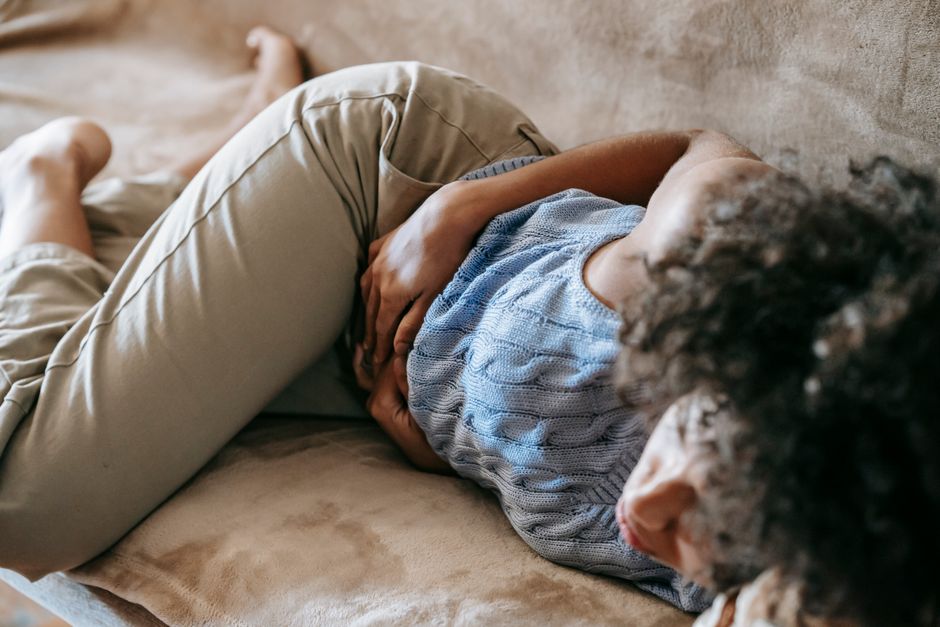
Pelvic pain can be a sign of early pregnancy, but it is not a guarantee. Many women feel mild cramping or pulling in the lower abdomen during the first weeks after conception. However, the same type of pain can also come from normal digestion, an approaching period, or other medical conditions. The key is to look at the whole picture—timing, other symptoms, and how the pain feels.
What Causes Pelvic Pain in Early Pregnancy?
In the earliest weeks, your body goes through rapid changes. After a fertilized egg attaches to the uterine lining, the uterus begins to stretch and grow. This process can cause a light pulling or cramping sensation.
Hormones also play a role. Progesterone levels rise sharply in early pregnancy. This hormone relaxes smooth muscle tissue, which can lead to a feeling of pressure or dull ache in the pelvic region. Some women describe it as similar to menstrual cramps, but usually milder and shorter in duration.
Another common cause is implantation. This occurs about 6 to 12 days after conception. The embryo burrows into the blood-rich lining of the uterus. Some women feel a brief cramp during this process, sometimes accompanied by light spotting called implantation bleeding.
How Does Early Pregnancy Pain Differ From Period Pain?
Distinguishing between early pregnancy cramps and premenstrual cramps is genuinely difficult. The sensations are similar because both involve the same pelvic organs and hormones.
Period cramps typically intensify and then ease as bleeding begins. Early pregnancy cramps tend to be intermittent and lighter. They often feel more like a dull ache or a stretching sensation rather than a sharp, gripping pain.
Timing matters. If your period is late and you feel mild pelvic cramping, pregnancy becomes a real possibility. But cramping alone, without a missed period, is not a reliable sign. Many non-pregnant women feel identical sensations in the days before their period starts.
One non-obvious detail: early pregnancy cramps often come and go. They may last a few minutes and then disappear for hours. Period cramps are more likely to build in intensity and follow a more predictable pattern.
When Is Pelvic Pain a Sign of Something Else?
Pelvic pain does not automatically mean pregnancy. Several other conditions produce very similar sensations. Being aware of these alternatives prevents unnecessary worry—or worse, missing a real medical issue.
Gas and constipation are common culprits. Rising progesterone slows digestion. This can cause bloating, trapped gas, and crampy lower abdominal pain that feels remarkably like early pregnancy discomfort.
Ovarian cysts can cause a sharp or dull pain on one side of the pelvis. Most cysts are harmless and resolve on their own. But if a cyst ruptures or twists, the pain becomes severe and requires medical attention.
Urinary tract infections sometimes cause pelvic pressure or discomfort. If you also feel burning during urination or need to urinate frequently, an infection may be the cause.
Ectopic pregnancy is the most serious concern. This occurs when a fertilized egg implants outside the uterus, usually in a fallopian tube. It causes pelvic pain that may start mild and then become severe. If the pain is sharp, one-sided, or accompanied by dizziness, shoulder pain, or heavy bleeding, seek emergency care immediately.




What Other Early Pregnancy Signs Should You Watch For?
Pelvic pain is more meaningful when it appears alongside other early pregnancy symptoms. No single symptom confirms pregnancy. But a cluster of symptoms increases the likelihood.
- Missed period — the most reliable early indicator
- Breast tenderness — swelling, heaviness, or sensitivity
- Fatigue — feeling unusually tired despite normal sleep
- Nausea — with or without vomiting, often worse in the morning
- Frequent urination — caused by increased blood flow to the pelvis
- Mild spotting — light pink or brown discharge around implantation time
These symptoms appear because of rising levels of human chorionic gonadotropin (hCG), estrogen, and progesterone. Each woman experiences them differently. Some have many symptoms. Others have almost none and still have a healthy pregnancy.
How Can You Confirm Early Pregnancy?
The only reliable way to confirm pregnancy is a test. Home pregnancy tests detect hCG in urine. This hormone becomes detectable about 12 to 14 days after conception, which is roughly the time of a missed period.
Testing too early produces false negatives. If you test before your period is due and get a negative result, wait a few days and test again. For the most accurate result, test first thing in the morning when urine is most concentrated.
Blood tests done at a doctor’s office can detect pregnancy even earlier—about 6 to 8 days after ovulation. These tests measure hCG levels precisely and can also help monitor how the pregnancy is progressing.
If your test is positive, schedule an appointment with an obstetrician or midwife. They can confirm the pregnancy, estimate your due date, and rule out complications like ectopic pregnancy.
When Should You See a Doctor for Pelvic Pain?
Mild, intermittent pelvic pain in early pregnancy is usually normal. But certain symptoms warrant immediate medical evaluation.
Seek emergency care if you experience:
- Sharp or severe pain that comes on suddenly
- Pain concentrated on one side
- Heavy vaginal bleeding
- Dizziness, fainting, or lightheadedness
- Pain in the shoulder tip area
- Fever or chills
- Pain with burning during urination
These symptoms could indicate an ectopic pregnancy, miscarriage, ovarian torsion, or infection. All of these require prompt medical attention. Do not wait to see if the pain passes.
For mild pain that worries you, call your doctor. It is always better to ask. A quick evaluation can provide peace of mind or catch a problem early.
Can You Do Anything to Ease Mild Pelvic Discomfort?
For mild, normal pregnancy-related discomfort, simple measures often help. Rest is the simplest and most effective option. Lying down takes pressure off the pelvic region.
Changing positions slowly can reduce sudden pulling sensations. When getting up from a chair or bed, move gradually rather than quickly.
A warm compress placed on the lower abdomen may relax tense muscles. Keep the temperature gentle—not hot. Avoid hot baths or heating pads on high settings during early pregnancy.
Staying hydrated and eating fiber-rich foods helps prevent constipation, which can worsen pelvic pressure. Gentle movement like walking can also improve digestion and circulation.
Avoid heavy lifting and strenuous exercise if you feel persistent pelvic discomfort. Your body is adjusting to significant changes. Giving it time to adapt is reasonable.
Is Pelvic Pain A Sign Of Early Pregnancy—The Bottom Line
Pelvic pain can be an early pregnancy sign, but it is not definitive on its own. Mild cramping and pulling in the lower abdomen are common in the first weeks after conception. The same sensations, however, occur for many other reasons.
The most reliable approach is to consider your full symptom picture and take a pregnancy test if your period is late. If the test is positive, pelvic pain that stays mild and intermittent is generally nothing to worry about. If the pain becomes severe, one-sided, or comes with bleeding or dizziness, seek medical care right away.
Every pregnancy is different. Some women notice pelvic discomfort very early. Others never feel it. Neither situation determines the health of your pregnancy. When in doubt, a doctor’s visit provides the clearest answer.
Frequently Asked Questions
How early can pelvic pain start in pregnancy?
Pelvic pain can start as early as 6 to 12 days after conception, around the time of implantation. Many women first notice it just before their period is due.
Is pelvic pain a reliable early pregnancy symptom?
No, pelvic pain alone is not reliable because it also occurs with periods, digestion issues, and other conditions. It becomes more meaningful when paired with a missed period or a positive pregnancy test.
What does early pregnancy pelvic pain feel like?
Most women describe it as a mild, dull ache or a pulling sensation in the lower abdomen. It usually comes and goes rather than being constant or sharp.
When should I worry about pelvic pain in early pregnancy?
Seek medical care if the pain is severe, one-sided, or accompanied by heavy bleeding, dizziness, fever, or shoulder pain. These can be signs of an ectopic pregnancy or other complications.
