
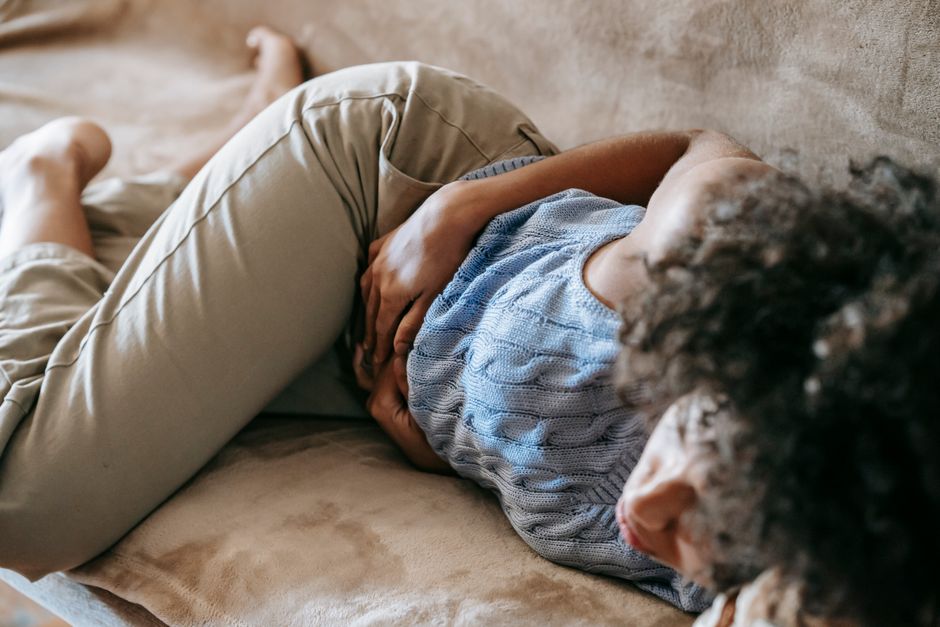
Pelvic pain in early pregnancy is common, and in many cases it is a normal part of how your body adjusts to growing a baby. However, “normal” does not mean “ignore it.” Your body is shifting ligaments, your uterus is expanding, and your hormones are relaxing joints. This can cause real discomfort. The key is understanding the difference between typical aches and pains that come with pregnancy and pain that signals a problem requiring medical attention.
What Causes Normal Pelvic Pain in Early Pregnancy?
Your uterus sits in your pelvis. As it begins to grow, it stretches the ligaments that hold it in place. This is often felt as a sharp or pulling sensation on one or both sides of your lower abdomen. This is frequently called round ligament pain, and it is one of the most common causes of pelvic discomfort in the first trimester.
Hormones also play a role. Early pregnancy triggers a rise in hormones like relaxin and progesterone. These hormones loosen your joints and ligaments to prepare your body for birth. This loosening can make your pelvic joints feel unstable or achy, especially when you walk, stand, or roll over in bed.
Digestive changes contribute too. Higher progesterone levels slow down your digestive tract. This can lead to constipation, bloating, and gas, all of which can cause pressure and cramping that feels like pelvic pain. These symptoms are common but can often be managed with diet and hydration.
When Is Pelvic Pain a Sign of Something Serious?
Some pelvic pain is not normal and requires immediate medical evaluation. You should contact your doctor or midwife right away if you experience sharp, severe, or worsening pain that does not go away with rest. Pain accompanied by bleeding, dizziness, fever, or pain during urination is a red flag.
Ectopic pregnancy is a condition where a fertilized egg implants outside the uterus, usually in a fallopian tube. It is a medical emergency. The pain is often sharp, one-sided, and may come with vaginal spotting or shoulder pain. If you have any suspicion of this, seek emergency care immediately.
Miscarriage is another concern. While bleeding is the most common sign, cramping that feels different from normal menstrual cramps, especially when paired with tissue passing, requires immediate attention. Ovarian cysts can also cause sharp pain if they rupture or twist, which sometimes happens during early pregnancy.
Urinary tract infections are more common during pregnancy and can cause pelvic pressure or discomfort. If you have burning with urination or feel the need to urinate frequently, you may need treatment. Untreated infections can lead to kidney problems, so do not wait to get checked.
How Does Early Pregnancy Pelvic Pain Differ From Labor Pain?
Labor pain typically occurs after 37 weeks, but some women worry about early contractions. True labor contractions are rhythmic, come at regular intervals, and get stronger over time. They do not stop when you change position or rest.
Early pregnancy pelvic pain is usually more constant or comes and goes irregularly. It often changes with movement. You might feel a sharp jab when you stand up quickly or a dull ache after a long walk. This type of pain typically settles down when you sit or lie down.
If you are not yet at full term and you feel regular cramping that comes in waves, call your provider. This could be a sign of preterm labor, which requires prompt medical care. Do not assume it is just ligament pain if the pattern feels consistent and rhythmic.




What Can You Do to Relieve Normal Pelvic Pain?
For typical pregnancy aches, gentle movement often helps more than total rest. Changing positions slowly can prevent sharp ligament pulls. A warm bath or a heating pad on a low setting applied to your back or hips can relax tense muscles. Avoid placing heat directly over your abdomen for long periods.
Support garments can make a difference. A maternity support belt lifts some of the weight off your pelvic floor and lower back. Many women find this helpful for round ligament pain and pelvic joint discomfort, especially when they need to stand or walk for longer stretches.
Gentle stretching and prenatal yoga can strengthen your core and pelvic muscles. This may reduce strain on your ligaments. Always check with your provider before starting a new exercise routine during pregnancy. Physical therapy with a specialist in pregnancy-related pelvic pain is another option that some women find very effective.
Staying hydrated and eating enough fiber can help prevent constipation, which often worsens pelvic pressure. If constipation is a persistent issue, talk to your doctor about safe options like fiber supplements or stool softeners that are considered safe during pregnancy.
What Does the Medical Evidence Say About Pelvic Pain in Pregnancy?
Research consistently shows that pelvic girdle pain, which includes pain in the front or back of the pelvis, affects a significant number of pregnant women. The pain is linked to how your pelvic joints move and load during pregnancy. This is a recognized condition with established management strategies.
Some studies suggest that women who had pelvic pain before pregnancy or who have a history of back pain are more likely to experience pelvic pain during pregnancy. However, individual experiences vary widely. Some women have minimal discomfort, while others find daily activities challenging.
Evidence supports the use of physical therapy and specific exercises to manage pregnancy-related pelvic pain. There is less high-quality evidence for alternative treatments like acupuncture or chiropractic care, though some women report benefit. The evidence is mixed, so it is reasonable to discuss these options with your provider and decide based on what feels right for you.
One important clarification: pelvic pain does not predict the outcome of your pregnancy. Having pain in your first trimester does not mean you are more likely to miscarry. This is a common worry, but the pain is usually just your body adapting to the pregnancy, not a sign that something is wrong with the baby.
When Should You Call Your Doctor About Pelvic Pain?
Call your provider if the pain is severe enough to interfere with your daily activities. Also call if the pain is accompanied by any bleeding, fever, chills, or dizziness. Pain that is one-sided and sharp, especially in early pregnancy, warrants a prompt call to rule out an ectopic pregnancy.
If you have pain with urination, vaginal discharge that smells unusual, or pain during sex, these are worth discussing with your doctor. These symptoms may indicate an infection that needs treatment. Do not wait for your next scheduled appointment if these symptoms appear.
Trust your instincts. If something feels wrong, call. It is always better to ask a question than to worry silently. Your provider’s office is used to fielding these calls, and they would rather check you than have you wait with a potentially serious issue.
Frequently Asked Questions
Is it normal to have pelvic pain at 6 weeks pregnant?
Yes, mild pelvic pain at 6 weeks is common as your uterus grows and ligaments stretch. Sharp one-sided pain or pain with bleeding should be evaluated by a doctor.
Can pelvic pain mean miscarriage in early pregnancy?
Pelvic pain alone does not usually mean miscarriage, especially if it is mild. Cramping combined with heavy bleeding or tissue passing requires immediate medical attention.
How long does round ligament pain last in early pregnancy?
Round ligament pain can come and go throughout pregnancy, often lasting a few seconds to a few minutes at a time. It typically resolves with rest and changing positions slowly.
What does ectopic pregnancy pain feel like?
Ectopic pregnancy pain is often sharp and felt on one side of the pelvis or lower abdomen. It may be accompanied by light vaginal bleeding, shoulder pain, or dizziness and requires emergency care.
