
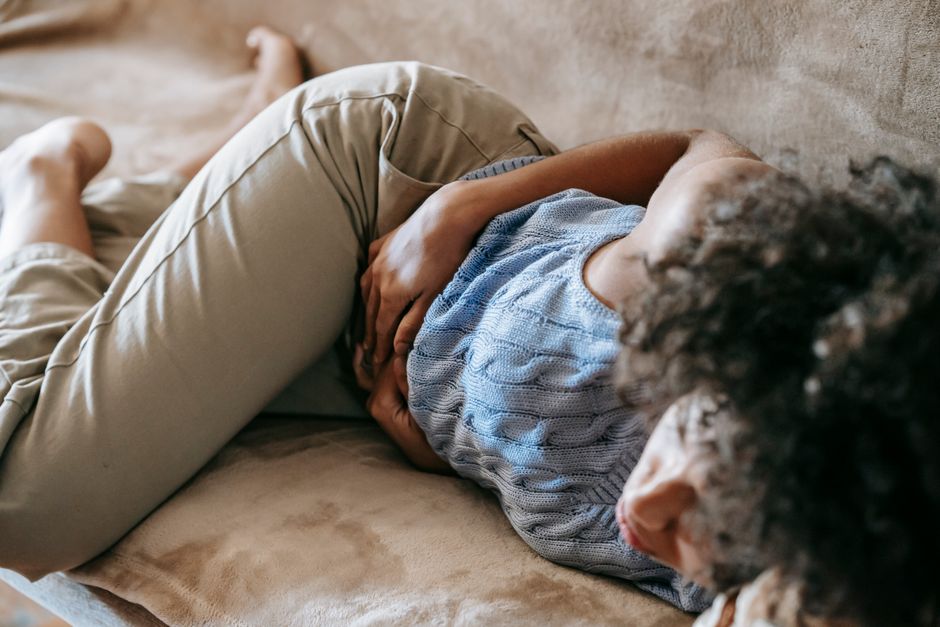
Pelvic pain after menopause is not a normal part of aging that you have to accept. It is a symptom with identifiable causes, ranging from common conditions like atrophic vaginitis to more serious issues such as prolapse or, in rare cases, cancer. The cause is often treatable, but getting an accurate diagnosis from a healthcare provider is the essential first step.
Why Does Menopause Change Pelvic Health?
Menopause changes the tissues and muscles in the pelvic region because of a sharp drop in estrogen. Estrogen is not just a reproductive hormone. It also helps maintain the thickness, elasticity, and moisture of vaginal tissues and supports the strength of the pelvic floor muscles.
When estrogen levels fall, the vaginal walls can become thinner, drier, and less flexible. This condition is called genitourinary syndrome of menopause (GSM). It affects a large number of postmenopausal women, and it can cause pain, burning, and discomfort. The pelvic floor muscles themselves can also weaken over time, which contributes to a different set of problems.
What Causes Pelvic Pain After Menopause?
There is rarely a single cause. Most often, pelvic pain after menopause comes from a combination of tissue changes, muscle tension, and specific medical conditions.
The most common causes fall into a few distinct categories:
- Vaginal atrophy (GSM): Thinning and drying of vaginal tissues can cause burning, soreness, and pain with any pressure, including sitting or wearing tight clothing.
- Pelvic floor muscle tension: Muscles can become tight and spasmodic, not just weak. This is a common and often overlooked cause of deep pelvic aching.
- Pelvic organ prolapse: Weakened supporting tissues allow the bladder, uterus, or rectum to drop into the vaginal canal, causing a heavy, dragging sensation.
- Gastrointestinal issues: Conditions like irritable bowel syndrome (IBS) or chronic constipation can refer pain into the pelvis.
- Musculoskeletal strain: Problems in the lower back, hips, or sacroiliac joints can be felt as pelvic pain.
- Endometriosis or adhesions: Endometriosis can continue to cause pain after menopause, and scar tissue from past surgeries can pull on organs.
- Urinary tract issues: Interstitial cystitis or recurrent infections can cause pressure and pain.
Rarely, pelvic pain is a sign of ovarian, uterine, or cervical cancer. This is why persistent pain always warrants a medical evaluation rather than home management alone.
Is It Vaginal Atrophy or Something Else?
Vaginal atrophy, or GSM, is the most frequent cause of pelvic discomfort after menopause. The pain is often described as burning, rawness, or soreness. Many women also experience itching, urinary urgency, or pain during intercourse.
However, not all pelvic pain is GSM. Pain that is deep, cramping, or located higher in the abdomen points to the uterus, ovaries, or bowel rather than the vagina. If lubricants and vaginal moisturizers do not improve symptoms, the cause may be muscular or visceral rather than tissue dryness.
A clinician can usually distinguish between these by examination and by asking about the exact location and quality of the pain. Vulvar pain is often GSM. Deep pelvic pain is more likely muscular, gastrointestinal, or gynecological.





When Pelvic Floor Muscles Are the Problem
Many women assume that pelvic floor problems always mean weakness. But tight, overactive muscles cause pain just as often.
After menopause, some women unconsciously clench their pelvic floor muscles, especially if they have lived with urinary incontinence or have been told to do Kegel exercises for years. Over time, these muscles can become chronically shortened and tense. This condition is called hypertonic pelvic floor dysfunction.
Symptoms include a deep ache, pressure, pain with sitting, and pain during sex. The muscles feel tight and tender when examined. Treatment is different from what you might expect. Instead of strengthening, the approach involves gentle stretching, relaxation techniques, and sometimes physical therapy with biofeedback to retrain the muscles to release.
Some research suggests that pelvic floor physical therapy is effective for this type of pain. It is a low-risk treatment that addresses the root cause rather than masking the symptom.
Pelvic Organ Prolapse: The Heavy Feeling
Pelvic organ prolapse occurs when the supportive tissues around the bladder, uterus, or rectum stretch and weaken. This allows one or more of these organs to descend into the vaginal canal.
The pain from prolapse is usually described as a heaviness, pulling, or dragging sensation. Many women feel like something is “falling out” or that a tampon is present when it is not. Symptoms often worsen with standing for long periods, lifting, or coughing, and improve when lying down.
Prolapse is common after menopause because the loss of estrogen weakens connective tissue. It is also more likely in women who have had vaginal deliveries or who have chronic constipation. Not every prolapse needs surgery. Mild cases may be managed with pelvic floor exercises, a pessary (a supportive device inserted into the vagina), or lifestyle changes. The right approach depends on the severity and how much the symptoms affect daily life.
Gastrointestinal and Musculoskeletal Causes
Pelvic pain is not always gynecological. The intestines sit directly above and behind the pelvic organs, and pain from the bowel is frequently felt in the pelvis.
Irritable bowel syndrome is a common cause. It produces cramping, bloating, and changes in bowel habits. Constipation, whether from IBS or from medications, causes a dull pressure that can be mistaken for uterine or ovarian pain. Treating the constipation often resolves the pelvic pain.
Musculoskeletal causes are also under-recognized. The pelvic bones connect to the spine and hips, and dysfunction in these joints can refer pain into the pelvic region. This is especially relevant for women with a history of lower back problems or hip arthritis. A physical therapist can often identify these issues with a simple movement assessment.
Endometriosis and Adhesions After Menopause
Endometriosis is often thought of as a condition of reproductive-age women, but it can persist after menopause. The endometrial-like tissue may continue to respond to the small amounts of estrogen produced by the body after menopause, particularly in women on hormone therapy.
Adhesions are bands of scar tissue that form after abdominal or pelvic surgery. They can bind organs together and cause pulling pain that worsens with movement or certain positions. A hysterectomy, cesarean section, or any abdominal surgery can create adhesions. These are difficult to diagnose without imaging or laparoscopy, but they are a real cause of chronic pelvic pain in postmenopausal women.
When Should You See a Doctor?
Any new pelvic pain after menopause deserves a medical evaluation. Pain that is severe, worsening, or accompanied by bleeding requires prompt attention.
Postmenopausal bleeding is never normal. If pelvic pain is accompanied by any vaginal bleeding, you should contact a healthcare provider immediately. This combination requires investigation to rule out endometrial cancer or other serious conditions.
See a doctor sooner rather than later if the pain interferes with sleep, work, exercise, or sexual activity. Chronic pain tends to worsen over time, and early treatment is usually more effective than late intervention.
What to Expect at a Medical Evaluation
A thorough evaluation typically starts with a detailed history and a pelvic examination. The clinician will look for visible signs of atrophy, prolapse, or infection. They will also palpate the pelvic floor muscles to assess for tenderness or spasm.
Depending on the findings, further testing may include:
- Urine tests to rule out infection
- Ultrasound to examine the uterus, ovaries, and bladder
- Imaging such as MRI or CT scan for deeper structures
- Referral to a pelvic floor physical therapist for muscle assessment
Do not be surprised if the evaluation involves multiple specialists. A gynecologist may identify the issue, but a physical therapist or gastroenterologist may be needed to complete the picture. This is normal and reflects the complexity of the pelvic region.
Treatment Approaches That Work
Treatment depends entirely on the cause. There is no single remedy for all pelvic pain after menopause.
For vaginal atrophy, low-dose vaginal estrogen is highly effective. It is available as a cream, tablet, or ring and works locally without significantly raising estrogen levels in the bloodstream. Vaginal moisturizers and lubricants also help manage dryness.
For pelvic floor muscle tension, physical therapy is the first-line treatment. A trained therapist teaches relaxation techniques, breathing exercises, and gentle stretches. This approach has strong evidence for reducing pain and improving function.
For prolapse, options range from observation to pessary fitting to surgery. The choice depends on the severity of symptoms and the woman’s personal preferences and health status.
For gastrointestinal causes, dietary changes, fiber supplementation, and management of the underlying bowel condition are the primary strategies.
What Does Not Help
Some over-the-counter pain relievers may reduce discomfort temporarily, but they do not address the underlying cause. Relying on them alone can delay proper diagnosis.
Kegel exercises are not always the answer. If the pelvic floor muscles are already tight, strengthening them further can worsen the pain. Always have a clinician or physical therapist assess muscle tone before starting any pelvic floor exercise program.
Vaginal lubricants help with dryness but will not fix prolapse, muscle spasm, or bowel-related pain. They are one tool, not a complete solution.
Frequently Asked Questions
Can menopause cause pelvic pain by itself?
Yes. The drop in estrogen during menopause thins vaginal tissues and can weaken pelvic support structures, which directly causes pain in many women.
Is pelvic pain after menopause a sign of cancer?
Rarely, but it can be. Persistent pelvic pain, especially with postmenopausal bleeding, requires a medical evaluation to rule out gynecological cancers.
Why does my pelvic pain get worse when I sit?
Sitting increases pressure on the pelvic floor muscles and organs. This often indicates muscle tension, prolapse, or inflammation that worsens with direct pressure.
Can pelvic floor physical therapy help after menopause?
Yes. Pelvic floor physical therapy is effective for pain caused by muscle tension, weakness, or incoordination, and it is a standard treatment for these conditions.
