
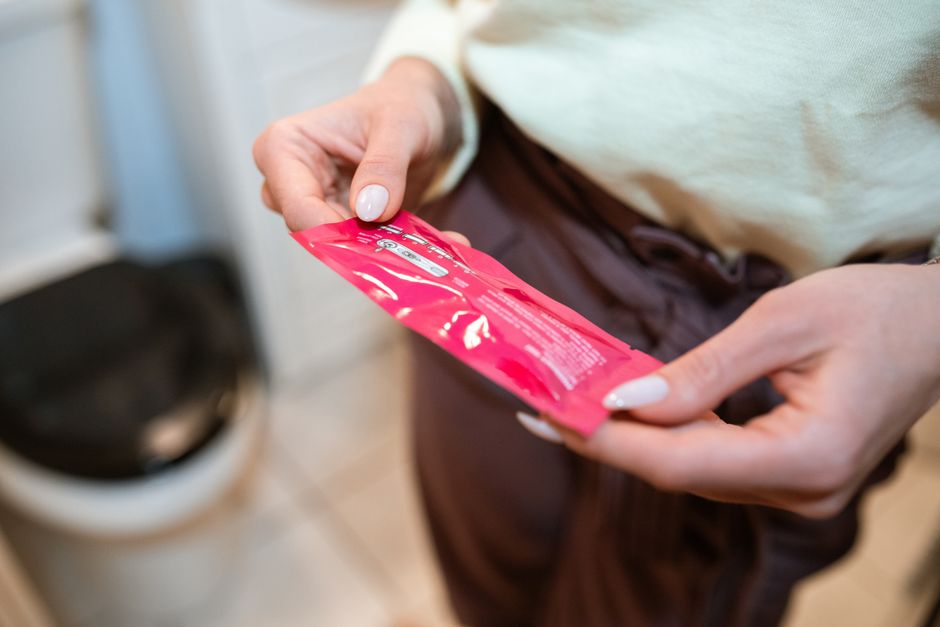
Yes, frequent urination is a common early sign of pregnancy. Many women notice they need to pee more often starting around week 6 of pregnancy. But it is not a reliable sign on its own. Many other conditions can cause the same symptom. A home pregnancy test or a visit to your doctor is the only way to confirm pregnancy.
Is Peeing A Lot A Sign Of Pregnancy?
It can be, but it is not a definitive sign on its own. Frequent urination is one of many early pregnancy symptoms. It is caused by hormonal changes that start soon after conception. But the same symptom can happen with a urinary tract infection, diabetes, or simply drinking more fluids. If you miss your period and also notice you are peeing more often, pregnancy is possible. But the only way to know for sure is to take a pregnancy test.
Why Does Pregnancy Cause Frequent Urination?
The main reason is a hormone called human chorionic gonadotropin (hCG). Your body starts making hCG right after a fertilized egg implants in the uterus. This hormone increases blood flow to your pelvic area and kidneys. More blood flowing through the kidneys means your body makes more urine. Your kidneys also become more efficient at filtering waste, which adds to the volume.
Later in pregnancy, the growing uterus pushes against your bladder. This reduces how much urine your bladder can hold. You may feel the need to pee more often, even when your bladder is not very full. This pressure usually becomes noticeable in the second and third trimesters.
How Early Does Frequent Urination Start in Pregnancy?
Frequent urination can begin as early as the second week after conception. That is around the time you might miss your first period. Many women notice it first around week 6 of pregnancy. But the timing varies widely from woman to woman. Some women never notice it, while others feel it from the start. It is not a reliable way to date a pregnancy or predict its progression.



How Can You Tell the Difference Between Pregnancy and Other Causes?
Frequent urination on its own is not enough to confirm pregnancy. Look for other common early pregnancy signs. A missed period is the most reliable clue. Other signs include nausea or vomiting (morning sickness), breast tenderness, fatigue, and food cravings or aversions. If you have several of these together, pregnancy is more likely.
Compare your symptoms with those of other causes. A urinary tract infection often causes pain or burning when you pee, cloudy or strong‑smelling urine, and a constant urge to go even when little comes out. Diabetes can cause excessive thirst, weight loss, and frequent urination that is not relieved by drinking water. If you have those symptoms without a missed period, pregnancy is less likely and another cause should be considered.
What Else Causes Frequent Urination?
Many conditions and lifestyle factors can make you pee more often. Common causes include:
- Urinary tract infection (UTI) – often with pain or burning
- Diabetes (type 1, type 2, or gestational) – with increased thirst
- Overactive bladder – a sudden, strong urge to pee
- Interstitial cystitis – chronic bladder pain and urgency
- Drinking too much fluid, especially caffeine or alcohol
- Taking diuretic medications (water pills)
- Anxiety or stress – can increase urine production
- Enlarged prostate in men – not relevant for pregnancy but a common cause overall
If your frequent urination is new and you have no other pregnancy symptoms, consider these possibilities before assuming pregnancy.
When Should You Take a Pregnancy Test?
Home pregnancy tests are most accurate after your missed period. Testing earlier may give a false negative because your hCG levels may still be too low. If you have frequent urination and think you might be pregnant, wait until the day your period is due. Then take a first‑morning urine test for the highest accuracy. If the test is negative but you still miss your period, wait a few days and test again. Blood tests at your doctor’s office can detect pregnancy even earlier, usually about 10 days after conception.
Can Frequent Urination Last the Whole Pregnancy?
Frequent urination often gets better during the second trimester. The uterus rises higher in the abdomen, which relieves some pressure on the bladder. Many women notice a break from frequent bathroom trips in the middle months. In the third trimester, the baby drops lower into the pelvis, and pressure on the bladder increases again. Frequent urination often returns and may feel stronger than before. Every pregnancy is different. Some women have frequent urination throughout all three trimesters.
Frequently Asked Questions
How soon after conception does frequent urination start?
It can start as early as two weeks after conception, around the time of your missed period. Most women notice it sometime between weeks 6 and 8 of pregnancy.
Can frequent urination be the only sign of pregnancy?
It is very unlikely. Frequent urination alone is not a reliable sign. Most pregnant women also have a missed period, breast tenderness, nausea, or fatigue.
Does frequent urination during pregnancy last all pregnancy?
Not always. It often improves during the second trimester and returns in the third trimester. But patterns vary greatly from woman to woman.
When should I see a doctor for frequent urination?
See a doctor if you have pain or burning when you pee, blood in your urine, fever, or if the frequent urination is disrupting your sleep or daily life. These signs may indicate an infection or other medical condition.
