
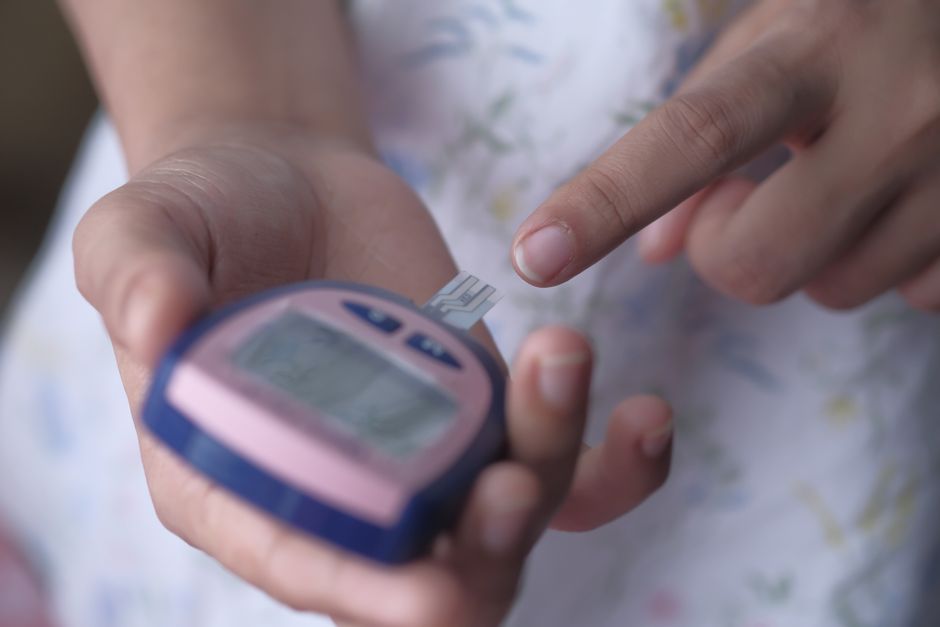
If you are pregnant, the glucose test checks for gestational diabetes, and the standard time for it is between 24 and 28 weeks of pregnancy. This is a routine screening test that most pregnant women get, regardless of their health history. The test measures how well your body processes sugar during pregnancy, and the timing is specific because insulin resistance naturally increases during this window.
Why Do You Need a Glucose Test During Pregnancy?
Pregnancy changes how your body uses insulin. The placenta produces hormones that can block insulin from working properly. For most women, the body makes more insulin to keep up. But for some, the pancreas cannot keep up, and blood sugar levels rise.
That condition is gestational diabetes. It usually has no symptoms, which is why screening is standard care. Untreated gestational diabetes can lead to a larger baby, which increases the risk of a difficult delivery. It can also cause low blood sugar in the baby right after birth.
The test is not optional in most practices. It is a routine part of prenatal care. Most obstetricians and midwives include it in their standard visit schedule.
When Is Glucose Test Pregnancy? The Standard Timeline
The standard screening happens between 24 and 28 weeks of pregnancy. This window is not arbitrary. It is when the placenta is producing enough hormones to cause measurable insulin resistance.
If you test too early, before 24 weeks, you may get a false negative. The insulin resistance has not fully developed yet. If you test too late, after 28 weeks, you lose time to manage the condition. Treatment works best when it starts early enough to affect the rest of the pregnancy.
Your doctor may schedule the test at your regular 24- to 28-week prenatal visit. It is a single appointment. You do not need to go anywhere special. Most tests happen right in the office or lab.
What Happens During the Glucose Screening Test?
The first step is called the glucose challenge test. You drink a sweet liquid that contains 50 grams of glucose. You do not need to fast beforehand. Most offices let you eat normally before this test.
After you finish the drink, you wait one hour. Then a technician draws blood from your arm. The blood sample measures your blood sugar level at that one-hour mark.
This is a screening test, not a diagnosis. It simply identifies women who may have a problem. If your blood sugar is above a certain threshold, your doctor will order a follow-up test.
The drink itself can make some women feel nauseous or dizzy. This passes quickly. You can usually resume normal activity right after the blood draw.



What If Your Screening Result Is High?
A high screening result does not mean you have gestational diabetes. It means you need a more detailed test to find out. About 15 to 25 percent of women have an abnormal screening result, but only a fraction of those actually have gestational diabetes.
The follow-up is called the oral glucose tolerance test, or OGTT. This one takes longer. You fast overnight for 8 to 14 hours. In the morning, a lab draws your fasting blood sugar. Then you drink a liquid with 100 grams of glucose. Your blood is drawn again at one, two, and three hours after the drink.
Diagnosis is based on how many of those blood sugar values are elevated. The exact thresholds vary slightly by organization, but the principle is the same. Two or more abnormal values typically confirm the diagnosis.
If you are diagnosed with gestational diabetes, it is manageable. Most women control it with diet and exercise. Some need insulin or oral medication. The goal is keeping your blood sugar in a normal range for the rest of the pregnancy.
Can You Take the Glucose Test Earlier Than 24 Weeks?
Yes, but only in specific situations. If you have risk factors for diabetes, your doctor may screen you at your first prenatal visit. Risk factors include a body mass index above 30, a previous pregnancy with gestational diabetes, a family history of type 2 diabetes, or a previous baby weighing over 9 pounds.
An early test is usually a fasting blood sugar test, not the full glucose challenge. If that early test is normal, you will still get the standard screening at 24 to 28 weeks. An early normal result does not rule out gestational diabetes later.
If the early test is abnormal, your doctor will manage you as having gestational diabetes from that point forward. You would not repeat the standard screening because you already have the diagnosis.
Some women ask about testing before 24 weeks just to get it over with. That is not medically appropriate. The test would not be accurate that early, and you would need to repeat it anyway.
Do You Need to Fast Before the Glucose Test?
For the one-hour glucose challenge test, no fasting is required. You can eat and drink normally before the appointment. In fact, fasting before this test can make the result less reliable.
For the three-hour oral glucose tolerance test, fasting is required. You must not eat or drink anything except water for 8 to 14 hours before the test. You also cannot smoke or drink coffee during the fasting period.
Some practices may ask you to avoid simple sugars before the one-hour test. This is not a formal requirement, but it is reasonable advice. A heavy sugary breakfast could affect your result.
If you are unsure what your specific office requires, call ahead. Every practice has its own protocol. The instructions matter because following them correctly affects the accuracy of your result.
What Do the Results Mean?
For the one-hour glucose challenge test, a blood sugar level below 140 mg/dL is generally considered normal. Some practices use a cutoff of 135 mg/dL. Levels above that threshold mean you need the three-hour follow-up test.
For the three-hour test, the diagnostic thresholds are typically as follows:
- Fasting: 95 mg/dL or higher
- One hour: 180 mg/dL or higher
- Two hours: 155 mg/dL or higher
- Three hours: 140 mg/dL or higher
These are the values used by most major medical organizations. If two or more of these values are met or exceeded, gestational diabetes is diagnosed. If only one value is elevated, some providers call that impaired glucose tolerance and may recommend dietary changes anyway.
Results come back within a few days. Your doctor will call you with the results and explain what they mean for your care.
What Happens After a Gestational Diabetes Diagnosis?
You will meet with your healthcare team to create a management plan. This usually includes checking your blood sugar at home four times a day. You test once in the morning on an empty stomach and again one to two hours after each meal.
Diet changes are the first line of treatment. Most women work with a dietitian or diabetes educator. The goal is spreading carbohydrates evenly across the day and pairing them with protein and healthy fats.
Your doctor will also monitor your baby with extra ultrasounds. These check the baby’s growth and the amount of amniotic fluid. Both can be affected by high blood sugar.
After delivery, gestational diabetes usually goes away. Your blood sugar typically returns to normal within hours to days after the placenta is delivered. You will have a follow-up glucose test about 6 to 12 weeks after birth to confirm.
Women who have had gestational diabetes have a higher risk of developing type 2 diabetes later in life. That is why the postpartum test matters. It is not just about the pregnancy. It is about your long-term health.
Frequently Asked Questions
Is the glucose test mandatory during pregnancy?
It is a standard part of prenatal care and strongly recommended for all pregnant women. You can decline it, but most providers will explain the risks of skipping it.
Can I eat before the one-hour glucose test?
Yes, you can eat normally before the one-hour glucose challenge test. You only need to fast for the three-hour follow-up test.
What happens if I miss the 24 to 28 week window?
You can still take the test later, but the results are less reliable for catching the condition early. Contact your provider as soon as you realize you missed the appointment.
Does the glucose drink cause side effects?
Some women feel nauseous, dizzy, or sweaty after drinking the glucose solution. These symptoms usually pass within 30 minutes and are not dangerous.
