
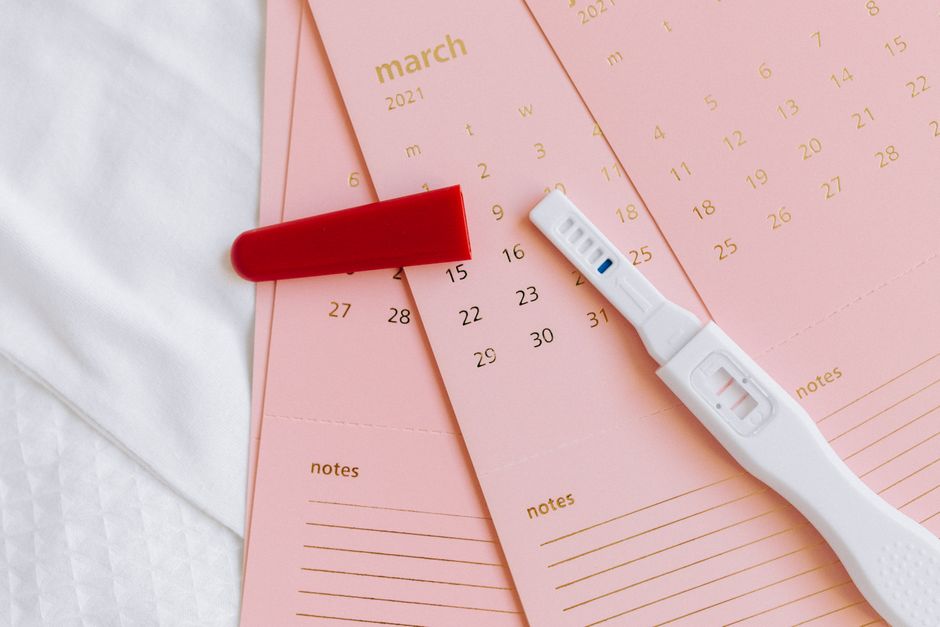
If you are one week past unprotected sex and trying to stop a pregnancy, the only effective option is emergency contraception. You can take the morning-after pill up to 72 hours after sex, and the copper IUD works up to 120 hours after sex. If more than five days have passed, you need to see a clinician immediately to discuss your options, which may include medication abortion or a procedural abortion.
What Counts as One Week After Sex?
One week means seven days have passed since the unprotected sexual encounter. This timing matters because it changes which emergency contraception options are still available to you.
The copper IUD can be inserted up to five days after unprotected sex. At seven days, that window has closed. The morning-after pill (levonorgestrel or ulipristal acetate) also has a time limit of 72 to 120 hours, which is three to five days. At seven days, neither of these standard emergency contraception methods will work.
If you are at exactly seven days, you are no longer in the emergency contraception window. You are now in the window for abortion care, which is legal and available in many states.
How To Stop Pregnancy After 1 Week What Works
At one week past unprotected sex, the methods that work are abortion options, not emergency contraception. Medication abortion is effective up to 10 weeks of pregnancy, and procedural abortion is available later in pregnancy depending on state laws and gestational age.
Medication abortion uses two medications taken in sequence. The first pill, mifepristone, blocks progesterone. The second medication, misoprostol, taken 24 to 48 hours later, causes the uterus to contract and empty. This process works about 95 to 98 percent of the time when used within the first 10 weeks.
Procedural abortion, also called aspiration or in-clinic abortion, is a medical procedure performed by a clinician. It is highly effective and completed in one visit. The choice between medication and procedural abortion depends on your preferences, how far along you are, and what services are available in your area.
Can You Still Use the Morning-After Pill at 7 Days?
No. The morning-after pill does not work at seven days after sex.
Levonorgestrel pills (Plan B One-Step, Take Action, and generics) are most effective within 72 hours. Ulipristal acetate (ella) works up to 120 hours. Neither is approved or effective beyond five days.
There is a common misconception that taking multiple doses of the morning-after pill will work later. This is not supported by evidence and can cause significant side effects like nausea, vomiting, and irregular bleeding without preventing pregnancy.




How Pregnancy Is Confirmed at One Week
At seven days after sex, a pregnancy test may not yet be positive. Implantation typically occurs 6 to 10 days after fertilization. A urine pregnancy test may show a positive result around day 14 after sex, but this varies.
A blood test at a clinic can detect pregnancy earlier, usually about 8 to 10 days after conception. If you are seeking abortion care, the clinic will confirm pregnancy with a test and may do an ultrasound to determine gestational age.
If your pregnancy test is negative at seven days but your period does not come, repeat the test in a few days. A negative test at seven days does not mean you are not pregnant.
Medication Abortion: What to Expect
Medication abortion is the most common method used in the first trimester in the United States. It is safe and effective when provided by a qualified clinician.
The process involves cramping and bleeding similar to a heavy period, often with larger clots. Most people experience significant discomfort for several hours after taking misoprostol. Pain medication is typically recommended. Bleeding can continue for up to two weeks.
You will need a follow-up visit or a follow-up phone call to confirm the abortion is complete. In about 2 to 5 percent of cases, the medication does not fully empty the uterus and a procedural abortion is needed to complete the process.
Serious complications are rare but include heavy bleeding, infection, or an incomplete abortion. Seek immediate medical care if you soak through more than two maxi pads per hour for two consecutive hours, pass clots larger than a lemon, or develop a fever over 100.4°F.
Procedural Abortion: What to Expect
Procedural abortion is performed in a clinic or hospital. The procedure itself typically takes 5 to 10 minutes, though the full visit lasts several hours.
During the procedure, a clinician uses gentle suction to empty the uterus. Most people receive local anesthesia, and sedation options may be available. Cramping during the procedure is common but short-lived.
Recovery is usually quick. Most people return to normal activities within a day or two. Light bleeding and cramping can continue for a week or more. Serious complications are rare when the procedure is performed by a trained professional.
Procedural abortion is slightly more effective than medication abortion, with a success rate above 99 percent. It also completes the process in one visit, which some people prefer.
Where Can You Get Abortion Care?
Abortion is legal in many states, but access varies widely. Some states have restrictions that limit how late in pregnancy abortion is available, require waiting periods, or mandate in-person counseling.
Your options include:
- Planned Parenthood health centers
- Independent abortion clinics
- Telehealth abortion services that mail medication
- Some primary care and family medicine offices
Telehealth abortion services have expanded significantly. Many states allow medication abortion to be prescribed through a video visit and mailed to your home. This can be a good option if you live far from a clinic.
If you are unsure where to start, call a clinic directly. They can confirm your pregnancy, determine how far along you are, and explain what services are available in your state.
What About Natural or Home Remedies?
No home remedy, herb, or supplement can safely end a pregnancy. This includes vitamin C, parsley tea, hot baths, or vigorous exercise. These methods do not work and some can be dangerous.
Self-managed abortion with medications obtained outside the medical system carries risks. Without proper screening, you cannot know your gestational age, whether the pregnancy is ectopic, or whether you have medical conditions that make medication abortion unsafe.
An ectopic pregnancy, which occurs in about 1 to 2 percent of pregnancies, can be life-threatening if not treated. Medication abortion does not resolve an ectopic pregnancy, and this condition requires immediate medical care.
Financial Help and Support
Abortion costs vary by state, facility, and gestational age. Medication abortion typically costs less than procedural abortion. Many clinics offer sliding-scale fees based on income.
Several national organizations provide financial assistance for abortion care, including the National Network of Abortion Funds. These organizations can help with procedure costs, travel, lodging, and childcare.
Some insurance plans cover abortion, though coverage varies by state and plan. If you are unsure about coverage, contact your insurance company directly. Clinic staff can also help you understand what your plan covers.
What If You Are Not Sure About the Decision?
It is normal to feel uncertain. This is a significant decision and you deserve time and support to make it.
Trained counselors at abortion clinics can discuss your options without pressuring you. They can provide factual information about continuing the pregnancy, parenting, adoption, and abortion. These conversations are confidential.
You do not have to tell a partner, parent, or anyone else about your decision unless you want to. In most states, minors have specific rights regarding abortion care, and clinic staff can explain the laws in your state.
Act Quickly
Time matters in abortion care. Medication abortion is only available through 10 weeks of pregnancy in most states. Some states have additional restrictions that narrow this window further.
If you are one week past unprotected sex, contact a clinic today. Many clinics can see you within a few days. Delaying care can limit your options and increase costs.
You can also call a national hotline like the All-Options Talkline for non-judgmental support. The decision is yours, and you have the right to make it with accurate information and respectful care.
Frequently Asked Questions
Can the morning-after pill work after 7 days?
No. The morning-after pill is only effective within 120 hours (5 days) after sex. At 7 days, it will not prevent pregnancy.
Is abortion still an option at 1 week after sex?
Yes. Medication abortion works up to 10 weeks of pregnancy, and procedural abortion is available later depending on your state and gestational age.
Will a pregnancy test be positive at 7 days after sex?
Not necessarily. Implantation usually happens 6 to 10 days after fertilization, so a urine test may still be negative at day 7. A blood test at a clinic can detect pregnancy earlier.
Can herbs or home remedies end a pregnancy safely?
No. No home remedy or herbal method has been shown to safely end a pregnancy, and some are dangerous. Only clinician-provided abortion care is safe and effective.
