
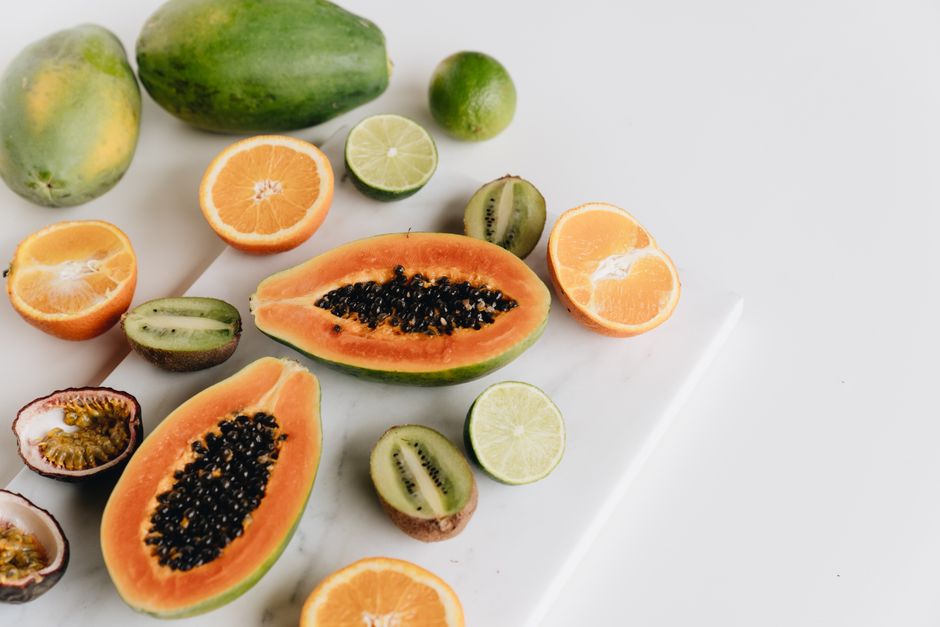
Passion fruit is not fattening. A single fruit contains only about 17 calories and less than one gram of fat. When eaten as whole fruit, passion fruit is a low-calorie, high-fiber food that can support weight management rather than work against it. The confusion around this question usually comes from the sweetened juices, syrups, and desserts made with passion fruit, which are a completely different story.
What Are the Actual Calories and Nutrients in Passion Fruit?
One whole passion fruit (about 18 grams of pulp and seeds) contains roughly 17 calories. That number comes from USDA nutritional data and applies to the raw, fresh fruit.
Here is the nutritional breakdown for one raw passion fruit:
- Calories: About 17
- Carbohydrates: About 4 grams
- Fiber: About 2 grams
- Sugar: About 2 grams
- Protein: Less than 1 gram
- Fat: Less than 1 gram
The fiber content is the key detail. Passion fruit is one of the highest-fiber fruits you can eat relative to its size. Fiber slows digestion, helps you feel full, and reduces how quickly sugar enters your bloodstream.
Is Passion Fruit Fattening Compared to Other Fruits?
Passion fruit sits at the low end of the calorie spectrum among fruits. A medium banana has about 105 calories. A cup of grapes has about 104 calories. A cup of mango chunks has about 99 calories. Passion fruit is far lighter than all of these.
What makes passion fruit unusual is the seed-to-pulp ratio. The edible portion is mostly seeds surrounded by a thin layer of pulp. The seeds themselves are mostly fiber and a small amount of healthy fat. You are not getting a dense sugar load the way you would from a cup of fruit juice or a dried fruit snack.
Dried passion fruit is a different product entirely. Drying removes water and concentrates the sugar. A small handful of dried passion fruit can contain several times the calories of a fresh fruit. If you are watching your weight, fresh is the better choice.
Why the Glycemic Load Matters Here
Glycemic load measures how much a food raises blood sugar based on its actual portion size. Passion fruit has a low glycemic load because the portion is small and the fiber content is high.
The fiber in passion fruit is mostly pectin, a type of soluble fiber that forms a gel in your digestive tract. This gel slows gastric emptying, which means sugar is absorbed more gradually. A slower rise in blood sugar means less insulin surge, and insulin is the hormone that tells your body to store fat.
This is not a claim that passion fruit burns fat. No food does that. It is simply a statement about how the fruit behaves metabolically compared to high-sugar, low-fiber foods.


How Passion Fruit Is Usually Eaten Changes the Answer
Whole passion fruit is not fattening. Passion fruit juice, passion fruit syrup, and passion fruit desserts can be very fattening.
Passion fruit juice is the biggest trap. The fruit is intensely tart, so commercial juices add significant amounts of sugar to make it palatable. A typical 12-ounce serving of passion fruit juice drink can contain 30 to 40 grams of added sugar, which is close to the American Heart Association’s recommended daily limit for added sugar in one sitting.
Passion fruit mousse, cheesecake, and other desserts combine the fruit with heavy cream, condensed milk, and sugar. These are calorie-dense foods where the passion fruit is a flavoring rather than the main nutritional component.
The rule is simple: if you are eating the fruit itself, you are eating a low-calorie food. If you are drinking it or eating it in a dessert, check the label or the recipe.
Can Passion Fruit Help With Weight Loss?
Passion fruit can be a useful addition to a weight loss diet, but it is not a weight loss food on its own. No single food causes weight loss. Weight loss happens when you consistently consume fewer calories than you burn.
That said, passion fruit has features that make it helpful in that process. The fiber content is genuinely high for the calorie cost. Two whole passion fruits give you about 34 calories and 4 grams of fiber. That is a substantial fiber-to-calorie ratio that most foods cannot match.
Some research suggests that the pectin in passion fruit may increase feelings of fullness and reduce subsequent food intake. The evidence is preliminary and mostly comes from small studies, but the mechanism is biologically plausible. Fiber expands in the stomach and triggers stretch receptors that signal fullness to your brain.
There is no clinical evidence that passion fruit extract or supplements cause weight loss. Products that claim to be “fat-burning” passion fruit supplements have not been validated in large human trials. If you see such a claim, treat it as marketing rather than medicine.
How Much Passion Fruit Can You Eat in a Day?
There is no official upper limit for passion fruit consumption. For most people, two to three whole fruits per day is a reasonable amount that fits comfortably within a balanced diet.
People with kidney disease should be more careful. Passion fruit contains potassium, and people with impaired kidney function sometimes need to limit potassium intake. If you have chronic kidney disease, talk to your doctor before adding passion fruit to your regular diet.
People with diabetes can generally include passion fruit in their meal plan because of the low glycemic load. As with any fruit, portion control matters. A single fruit is a sensible portion.
Passion Fruit vs. Passion Fruit Juice: A Direct Comparison
| Product | Calories (approximate) | Fiber | Added Sugar |
|---|---|---|---|
| 1 whole passion fruit | 17 | 2 grams | 0 grams |
| 1 cup passion fruit juice (sweetened) | 120-150 | 0 grams | 25-35 grams |
| 1/2 cup passion fruit mousse | 200-300 | 0-1 gram | 20-40 grams |
The table shows the practical difference. The whole fruit delivers fiber with minimal calories. The juice and desserts deliver calories with minimal fiber and substantial added sugar. If you enjoy the flavor, the whole fruit is the version that aligns with weight management goals.
One note on the juice numbers: these are estimates based on typical commercial products. Exact values vary by brand. The point is the pattern, not the precise figure. Whole fruit is low in calories. Processed versions are not.
Does the Seed Content Matter?
Passion fruit seeds are edible and safe to eat. They are crunchy and slightly tart, and they are a legitimate source of fiber.
The seeds also contain a small amount of oil. This oil is mostly polyunsaturated fat, which is the type of fat associated with heart health. The total fat from the seeds in one fruit is negligible, around half a gram or less.
Some people remove the seeds because of texture preferences. That is fine, but you lose a meaningful portion of the fiber. If you are eating passion fruit for the fiber benefit, eat the seeds.
What About Passion Fruit Supplements and Extracts?
Passion fruit extract is sometimes sold as a supplement for sleep, anxiety, or blood pressure. These products are usually made from the rind or leaves rather than the fruit pulp, and they are not relevant to weight management.
There is no reliable clinical evidence that passion fruit extract promotes weight loss. The research on passion fruit and weight is limited to the whole fruit and its fiber content. Supplement marketing often overstates what the science actually shows.
If you are interested in the potential health benefits of passion fruit, eating the whole fruit is the evidence-based approach. Supplements are not a substitute for whole food, and they do not have the same nutritional profile.
Frequently Asked Questions
Is passion fruit high in sugar?
No. One whole passion fruit contains about 2 grams of natural sugar. That is much less than most other fruits.
Can I eat passion fruit every day?
Yes, for most people two to three whole fruits per day is safe and healthy. People with kidney disease should check with their doctor first due to the potassium content.
Does passion fruit make you gain belly fat?
No. Passion fruit itself is low in calories and high in fiber, which supports weight management. Sweetened passion fruit products like juice and desserts can contribute to weight gain if eaten in excess.
Is passion fruit good for weight loss diets?
Yes, whole passion fruit fits well in a weight loss diet because of its low calorie count and high fiber content. It is not a fat burner, but it is a smart food choice.
