
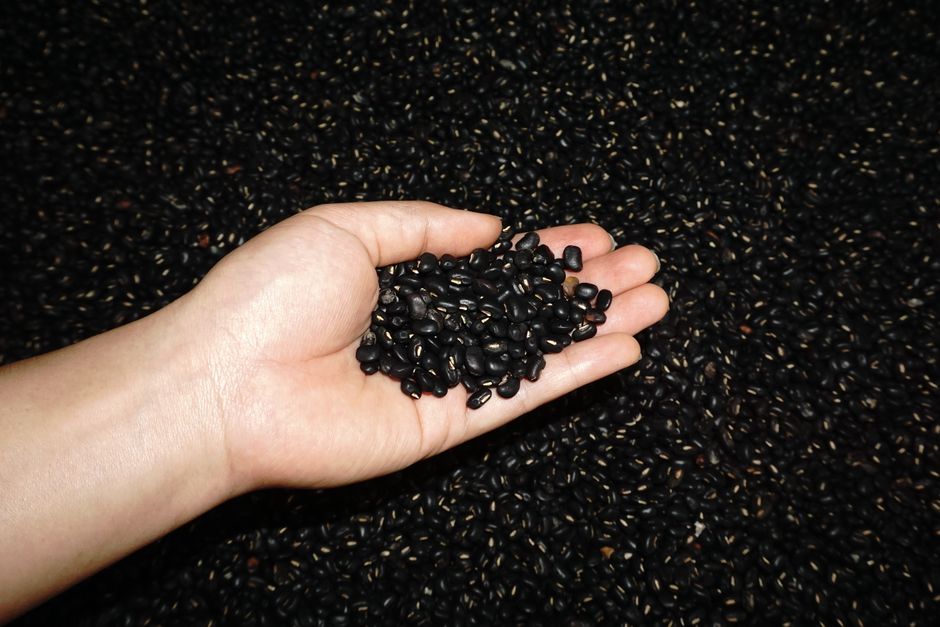
Black beans are not fattening. In fact, the evidence points in the opposite direction. Studies consistently show that diets rich in beans, including black beans, are linked to better weight management, not weight gain. They are high in fiber and protein, which help you feel full, and they contain no saturated fat. The real question is not whether black beans make you gain weight, but how they compare to other common protein and carbohydrate sources in your diet.
What Is in a Serving of Black Beans?
To understand weight effects, start with the basics. A half-cup serving of cooked black beans contains about 114 calories. That same serving provides roughly 7.6 grams of protein and 7.5 grams of fiber. These are the two nutrients most responsible for satiety — the feeling of being full after a meal.
Black beans are also a source of complex carbohydrates. These digest slowly, which keeps blood sugar steady. That matters for weight because rapid blood sugar spikes followed by crashes can trigger hunger and overeating. The fiber in black beans slows digestion and blunts those spikes.
One important detail: black beans contain no saturated fat. Saturated fat is the type of dietary fat most strongly linked to weight gain and cardiovascular risk when consumed in excess. Black beans are naturally fat-free, though they are often cooked with added fats like lard or bacon, which changes the picture entirely.
Are Black Beans Fattening Compared to Other Foods?
Compare black beans to white rice, a common staple. A half-cup of cooked white rice has about 103 calories, 0.3 grams of fiber, and 2.1 grams of protein. Black beans have slightly more calories per serving but far more fiber and protein. That difference changes how your body responds. The fiber and protein in beans slow digestion and promote fullness in ways that refined carbohydrates do not.
Research published in the Journal of the American College of Nutrition found that people who ate beans regularly had lower body weights and smaller waist circumferences compared to those who did not. Another analysis in the Journal of Nutrition reported that bean consumption was associated with a 22% lower risk of obesity. These are observational findings, so they show association rather than proof of cause. But the pattern is consistent across multiple studies.
A 2020 systematic review in Nutrients examined clinical trials where people added beans to their diets. The review concluded that bean consumption reduced body weight and waist circumference in overweight and obese adults. These were intervention trials, not just surveys, which strengthens the case.
How Fiber in Black Beans Affects Weight
Fiber is the main reason black beans help with weight control. One half-cup serving delivers about 30% of the daily fiber recommendation for adults. Fiber adds bulk to your meal without adding calories your body can absorb. It also slows gastric emptying, meaning food stays in your stomach longer and you feel full for more hours after eating.
Fiber also feeds the beneficial bacteria in your colon. When these bacteria ferment fiber, they produce short-chain fatty acids. Some research suggests these fatty acids influence appetite-regulating hormones. The evidence here is emerging, not definitive, but it adds another plausible mechanism for why high-fiber foods support weight management.
There is a practical difference between fiber in beans and fiber in supplements. Whole foods like black beans deliver fiber along with protein, complex carbohydrates, and micronutrients. That package appears to work better than isolated fiber supplements for appetite control, though the exact reasons are not fully understood.




Protein in Black Beans and Satiety
Protein is the most satiating macronutrient. Black beans provide plant-based protein, which is digested slightly differently than animal protein. Plant proteins tend to be less complete, meaning they lack one or more essential amino acids. But that does not matter for weight control. The protein in beans still triggers the same fullness signals.
One half-cup of black beans has about the same protein as one large egg. But beans bring far more fiber to the table. Combining beans with a grain like rice creates a complete protein profile. That combination is traditional in many cuisines for good reason — it provides all essential amino acids without the saturated fat found in many animal protein sources.
Some people worry about the carbohydrates in beans. That concern is misplaced for most people. The glycemic index of black beans is low, meaning they raise blood sugar slowly. This is the opposite of refined carbohydrates like white bread or sugary drinks. Slow digestion means sustained energy and fewer hunger pangs between meals.
Do Black Beans Cause Bloating or Gas?
Black beans contain oligosaccharides, complex sugars that humans cannot digest. When these reach the colon, bacteria ferment them and produce gas. This is normal and harmless, but it can cause bloating and discomfort, especially for people who are not used to eating beans regularly.
This discomfort is sometimes mistaken for weight gain. Bloating from gas can make the abdomen feel larger and tighter. It is temporary and resolves as the gas passes. The solution is not to avoid beans but to introduce them gradually. Starting with small portions and increasing over several weeks gives your gut bacteria time to adapt.
Rinsing canned beans thoroughly removes some of the oligosaccharides. Soaking dried beans overnight and discarding the soaking water also helps. These practices reduce gas without meaningfully reducing the fiber content.
How You Cook Black Beans Changes Everything
Black beans themselves are not fattening. What you add to them can be. Cooking beans with lard, bacon, butter, or large amounts of oil adds calories and saturated fat. A serving of beans cooked with pork fat can easily double or triple in calorie content.
Canned black beans sometimes contain added salt. High sodium intake is linked to water retention, which can cause temporary weight fluctuations on the scale. This is not fat gain, but it can confuse people who weigh themselves regularly. Choosing low-sodium varieties or rinsing canned beans can reduce sodium by up to 40%.
The healthiest preparation is simple: cook dried beans with onions, garlic, and spices, or use rinsed canned beans in soups, salads, and grain bowls. These preparations keep the beans’ natural nutritional profile intact without adding unnecessary calories.
Portion Sizes and Black Beans
No food is fattening if portion sizes are reasonable. Black beans are calorie-dense compared to leafy vegetables but calorie-light compared to nuts, oils, and animal proteins. A reasonable portion is half to three-quarters of a cup per meal.
Eating an entire can of black beans in one sitting would provide roughly 400 calories. That is not inherently harmful, but it is more than most people need in a single meal. The fiber content would likely make most people feel full well before finishing the can.
For most adults, incorporating black beans into two or three meals per week is a sensible starting point. People who enjoy them can eat them more often. There is no established upper limit for bean consumption, though very high intakes may cause digestive discomfort.
Black Beans and Blood Sugar Control
Blood sugar regulation is closely tied to weight management. When blood sugar rises rapidly, the body releases insulin. Insulin promotes fat storage and can trigger hunger when blood sugar subsequently drops. Black beans produce a gentle, gradual rise in blood sugar because of their fiber and complex carbohydrate content.
This makes black beans an excellent food for people with type 2 diabetes or insulin resistance. Some research suggests that replacing refined grains with legumes improves glycemic control. The American Diabetes Association lists beans as a recommended food for diabetes management.
For people without diabetes, the same mechanism matters. Stable blood sugar means fewer cravings and more consistent energy. That makes it easier to maintain a healthy diet overall.
Are Black Beans Fattening at Night?
There is no metabolic reason why eating black beans at night causes more weight gain than eating them earlier in the day. The body does not store food as fat simply because of the time on the clock. Total daily calorie intake and overall dietary quality matter far more than timing.
That said, eating a large, heavy meal right before bed can disrupt sleep. Poor sleep is linked to increased appetite and weight gain through hormonal pathways. If beans are part of a large late-night meal that interferes with sleep, they could indirectly affect weight. But the beans themselves are not the problem.
Some people find that high-fiber foods before bed cause digestive discomfort that interferes with sleep. This varies from person to person. If this happens to you, eat beans earlier in the day. If not, there is no reason to avoid them at night.
Frequently Asked Questions
Do black beans make you gain weight?
No. Black beans are associated with lower body weight and better weight management in multiple studies. Their high fiber and protein content promote fullness, which helps reduce overall calorie intake.
How many calories are in black beans?
A half-cup of cooked black beans contains about 114 calories. That is comparable to white rice but with far more fiber and protein.
Are black beans good for weight loss?
Yes. Clinical trials have shown that adding beans to the diet reduces body weight and waist circumference in overweight adults. They are filling, nutrient-dense, and low in calories relative to their volume.
Can black beans cause bloating?
Yes, especially if you are not used to eating them. The oligosaccharides in beans ferment in the colon and produce gas. This is temporary and reduces with gradual introduction and proper preparation.
